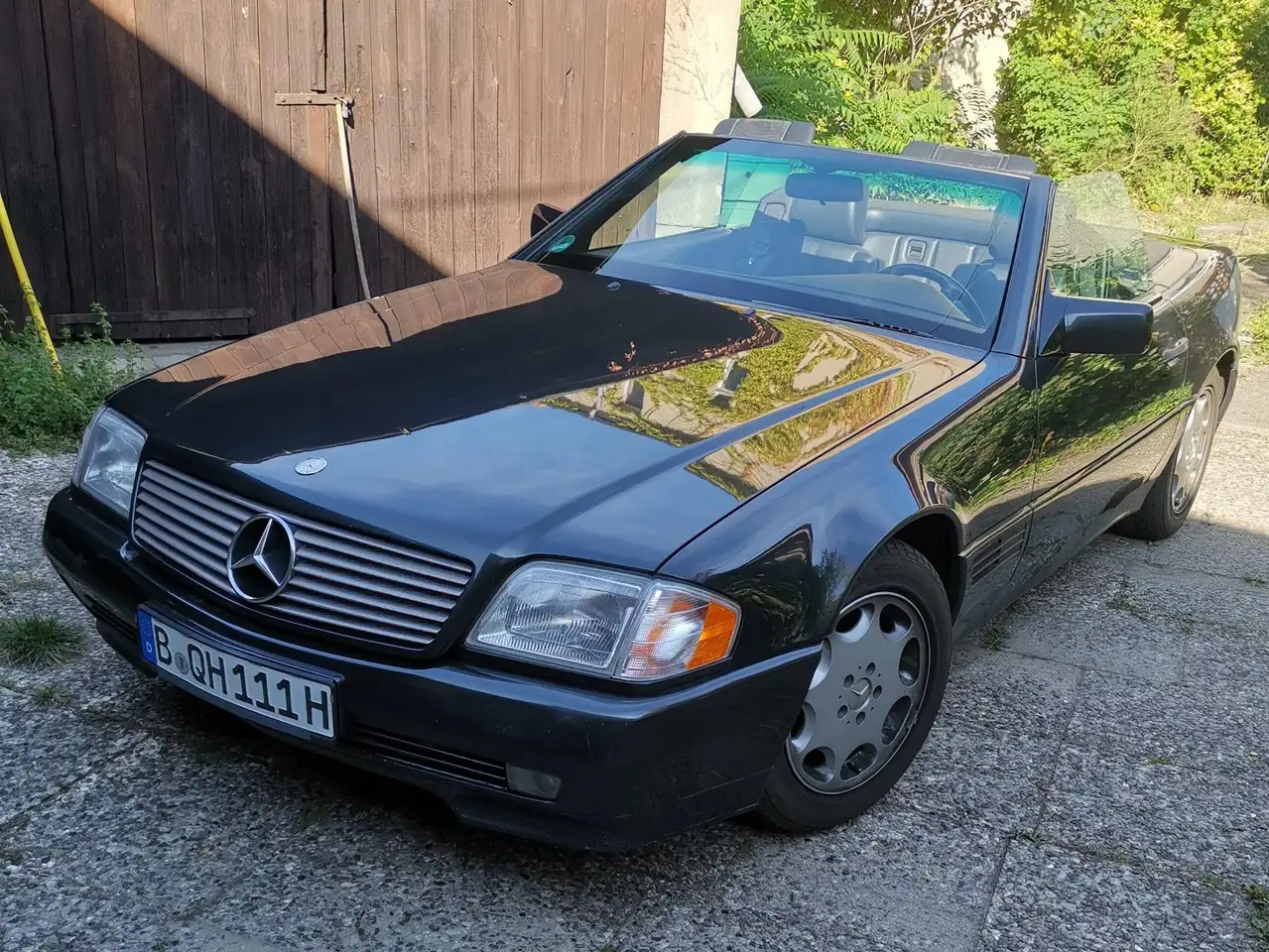
Mercedes-Benz SL R129 (1989-2001): The Last of the Overbuilt SLs - Buyer's and Ownership Guide
The R129 ran from 1989 to 2001 (pre-production from 1988): a two-seat roadster with an electro-hydraulic soft top, a removable aluminium hardtop, rear-wheel drive, and 204,940 cars built. Bruno Sacco led the design. The R107 came before it; the R230 came after.
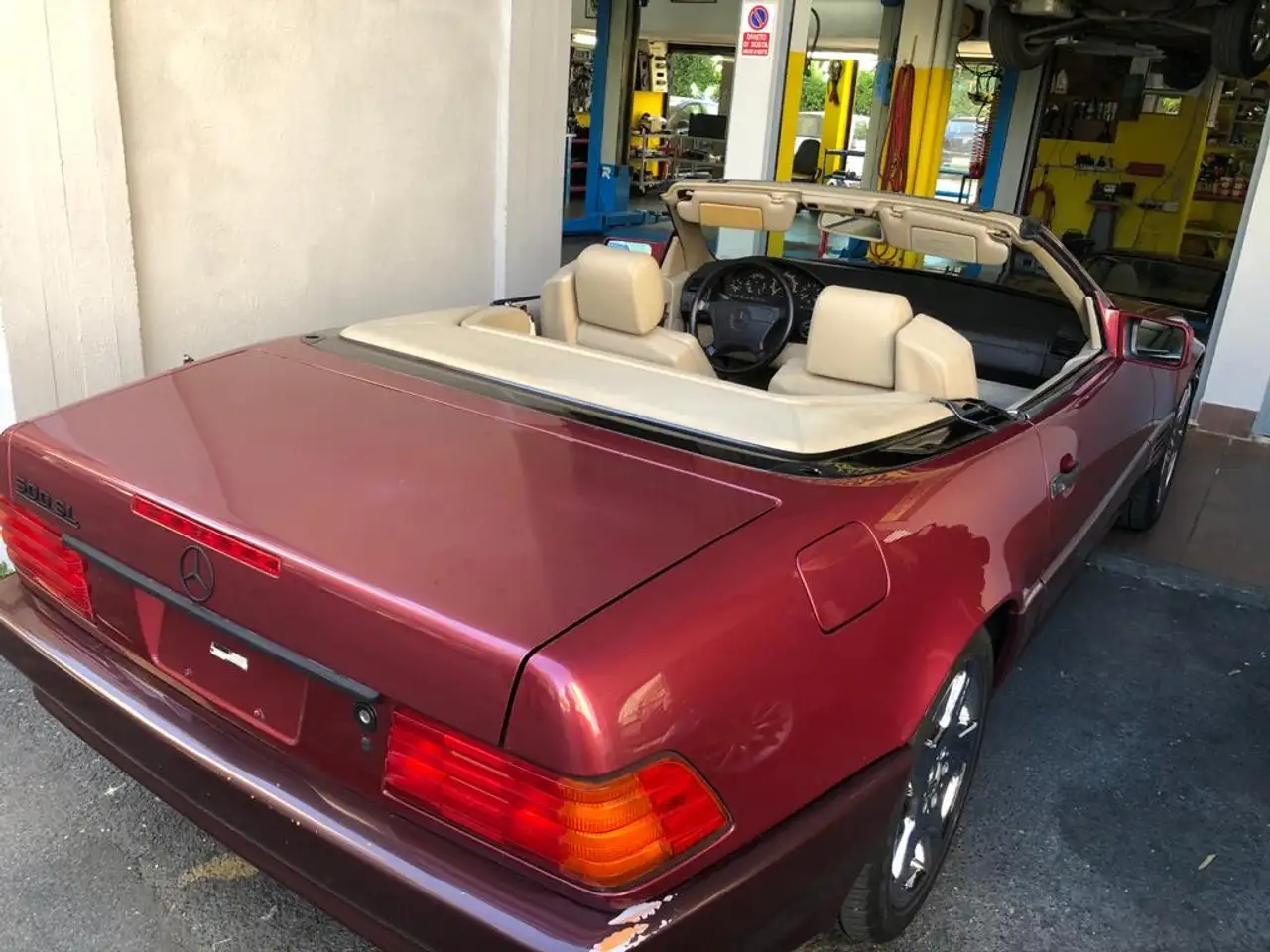
When the new SL stood on the Geneva stand in March 1989, it replaced a car that had been on sale for eighteen years. The R107 was not a bad car. It was from a different era. The R129 jumped that era in one step. Under Sacco's quiet wedge sat a package nobody else offered at the time: a rollover bar that fires in 0.3 seconds, a fully automatic soft top watched by seventeen limit switches, magnesium-frame seats with integrated belts, and optional adaptive damping. Planned annual production of 20,000 sold out. Early European buyers waited more than five years.
This is a guide to the whole generation: what sets it apart, how the range changed over twelve years, how it sits next to the R107 and the R230, what fails, and what European money actually looks like.
Why the R129 is the turning point
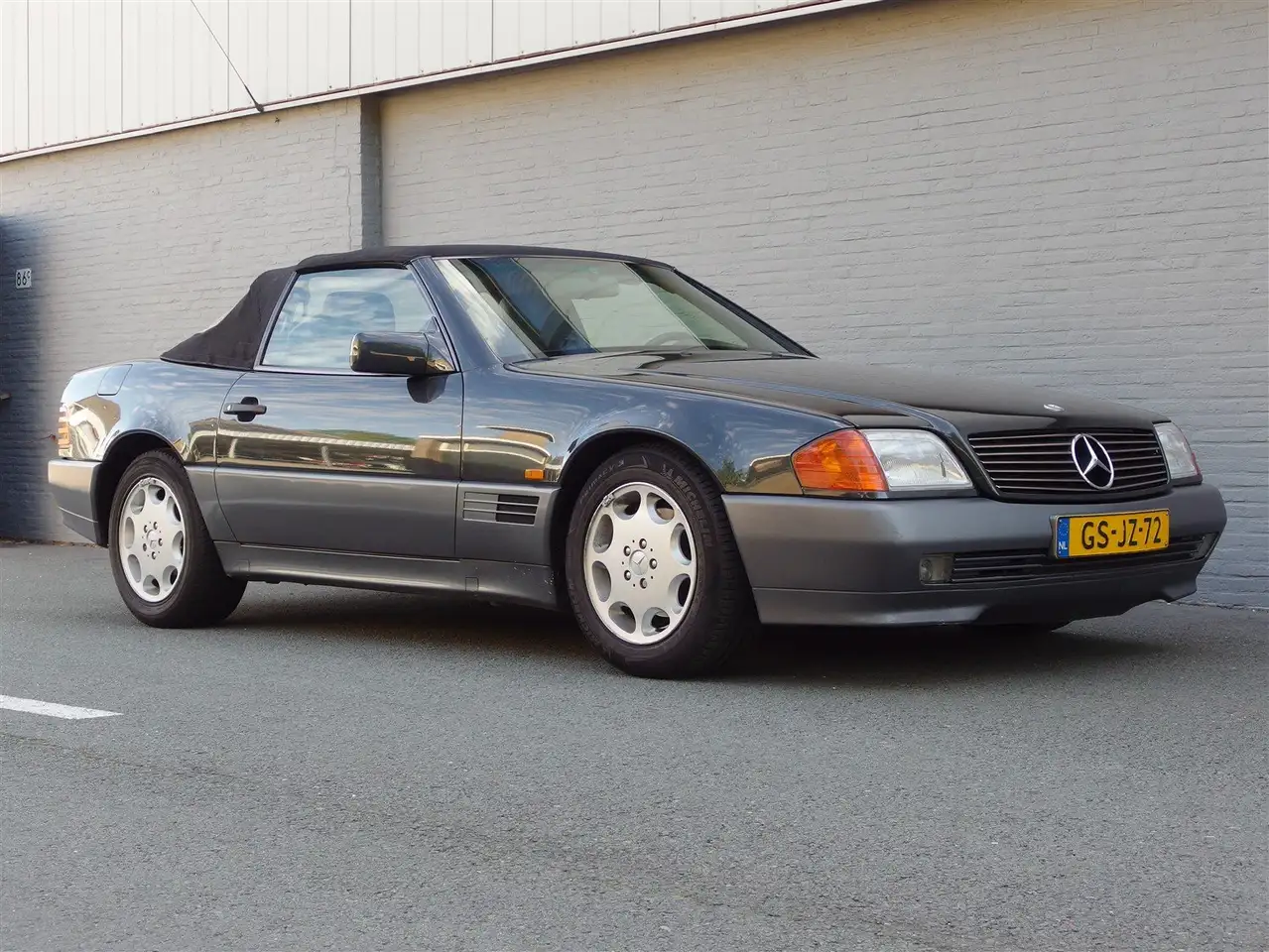
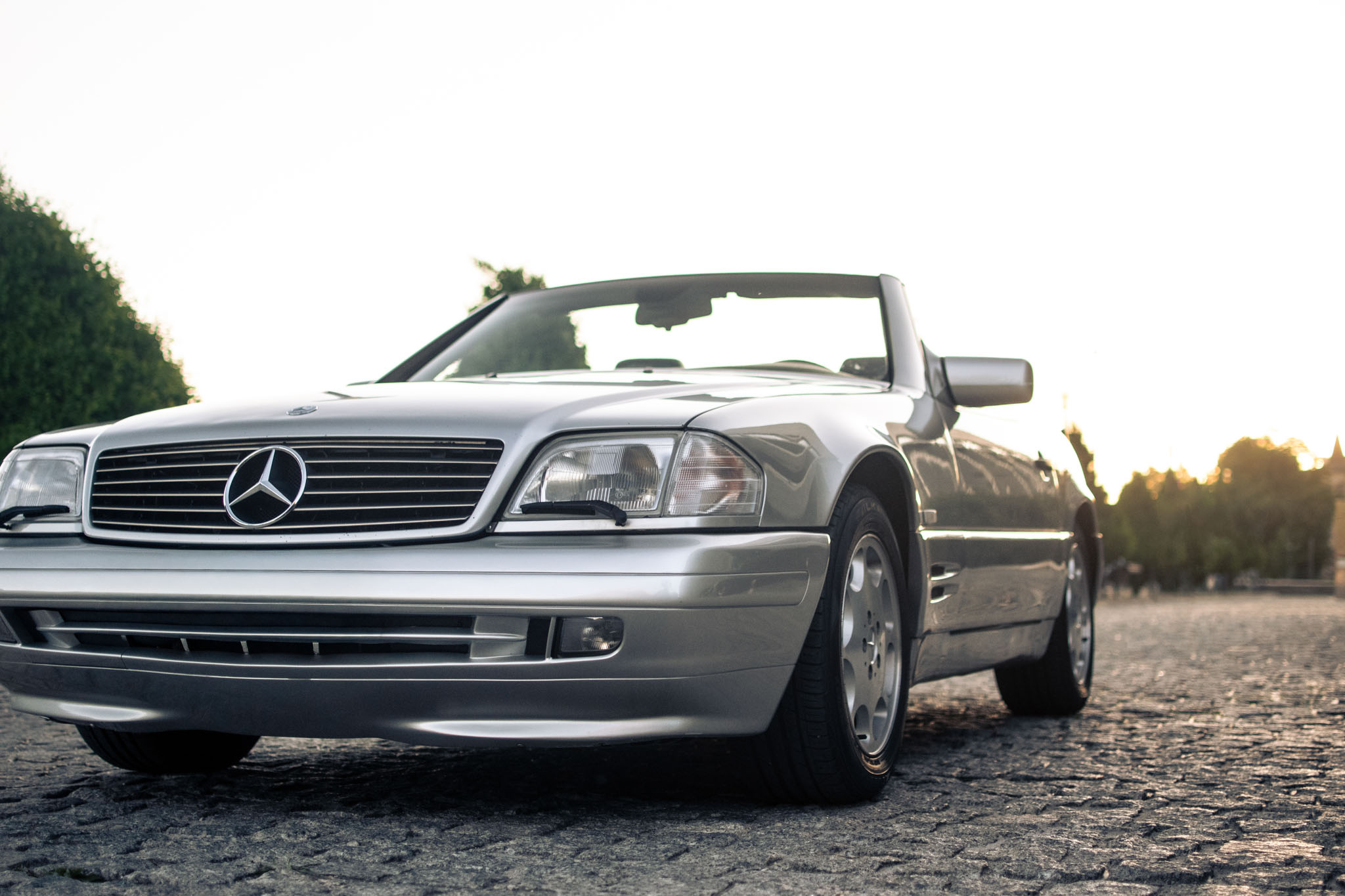
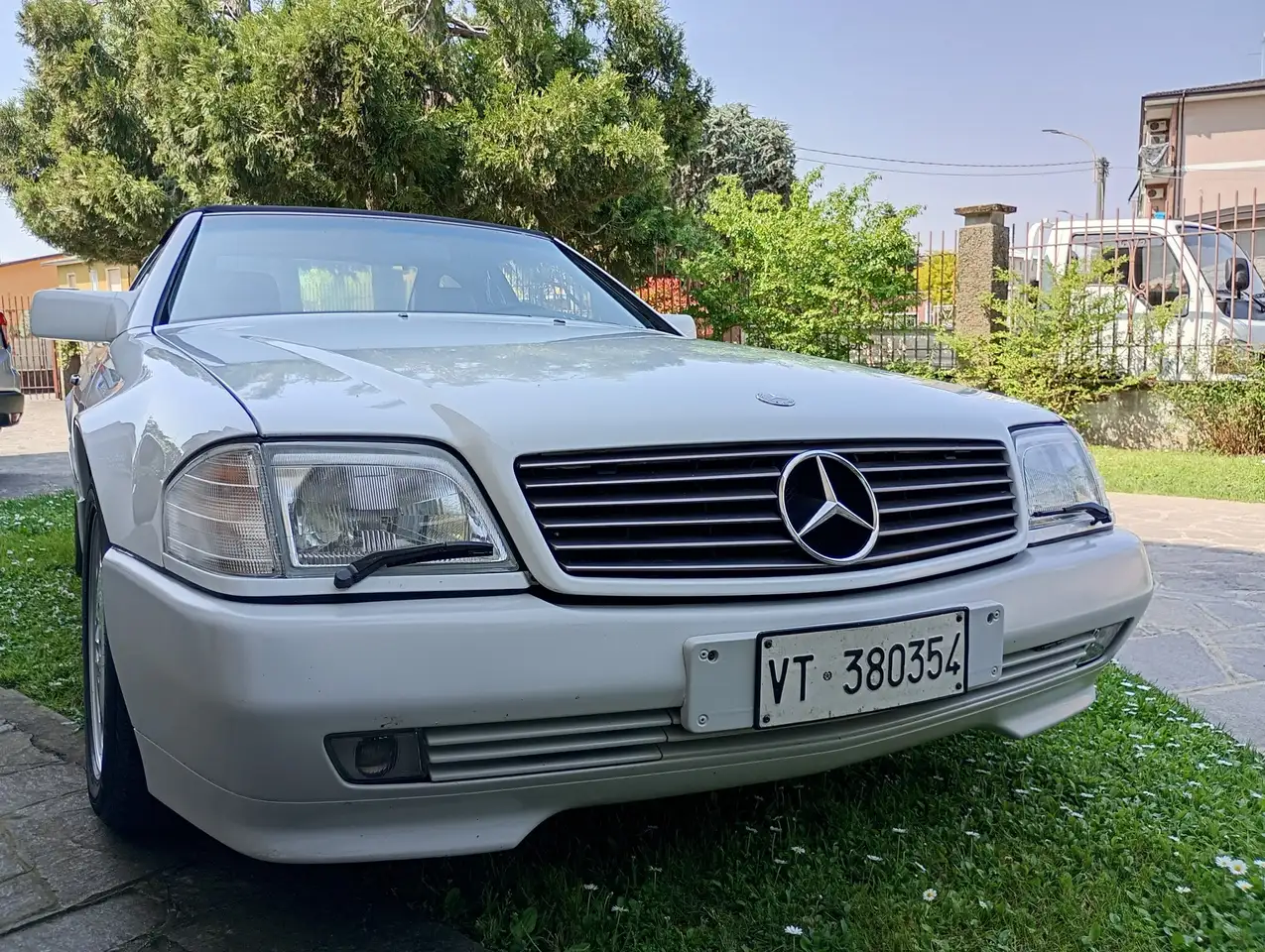
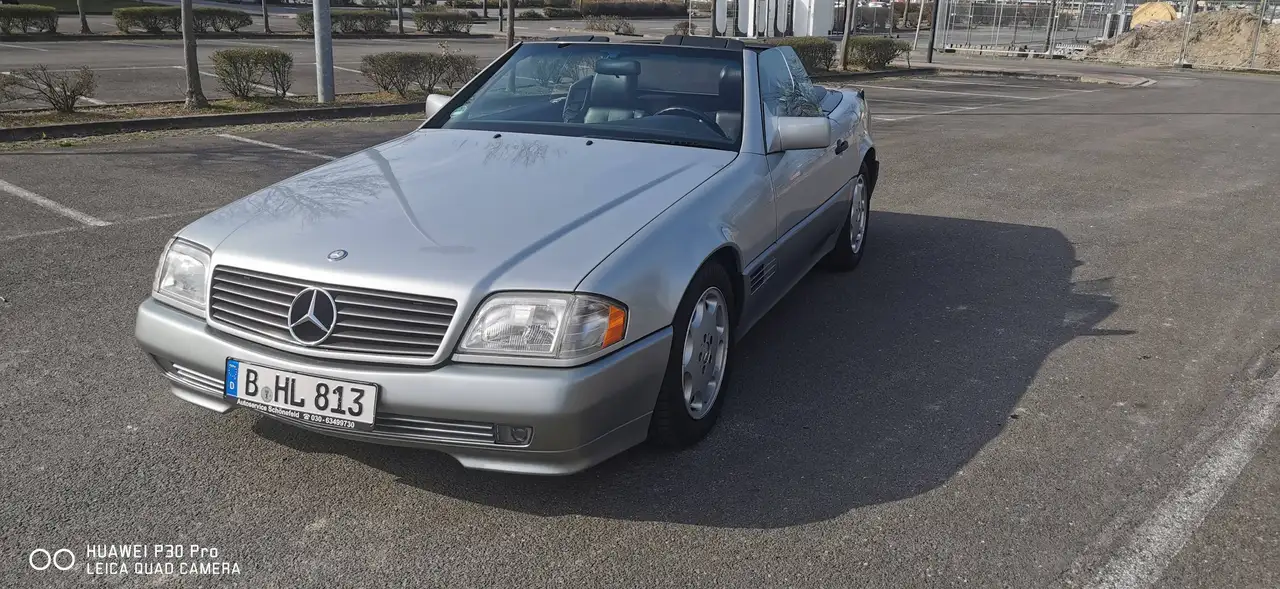
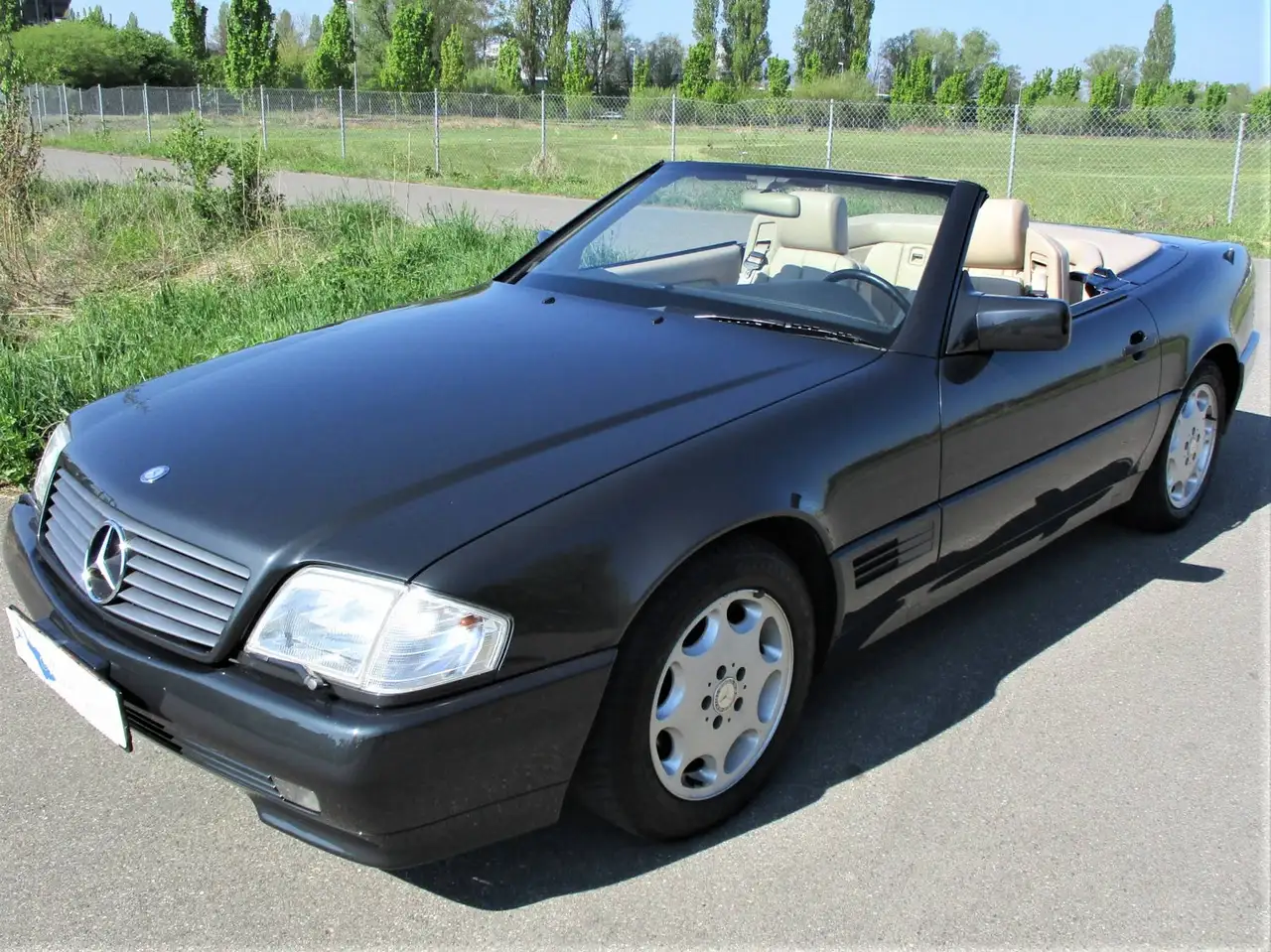
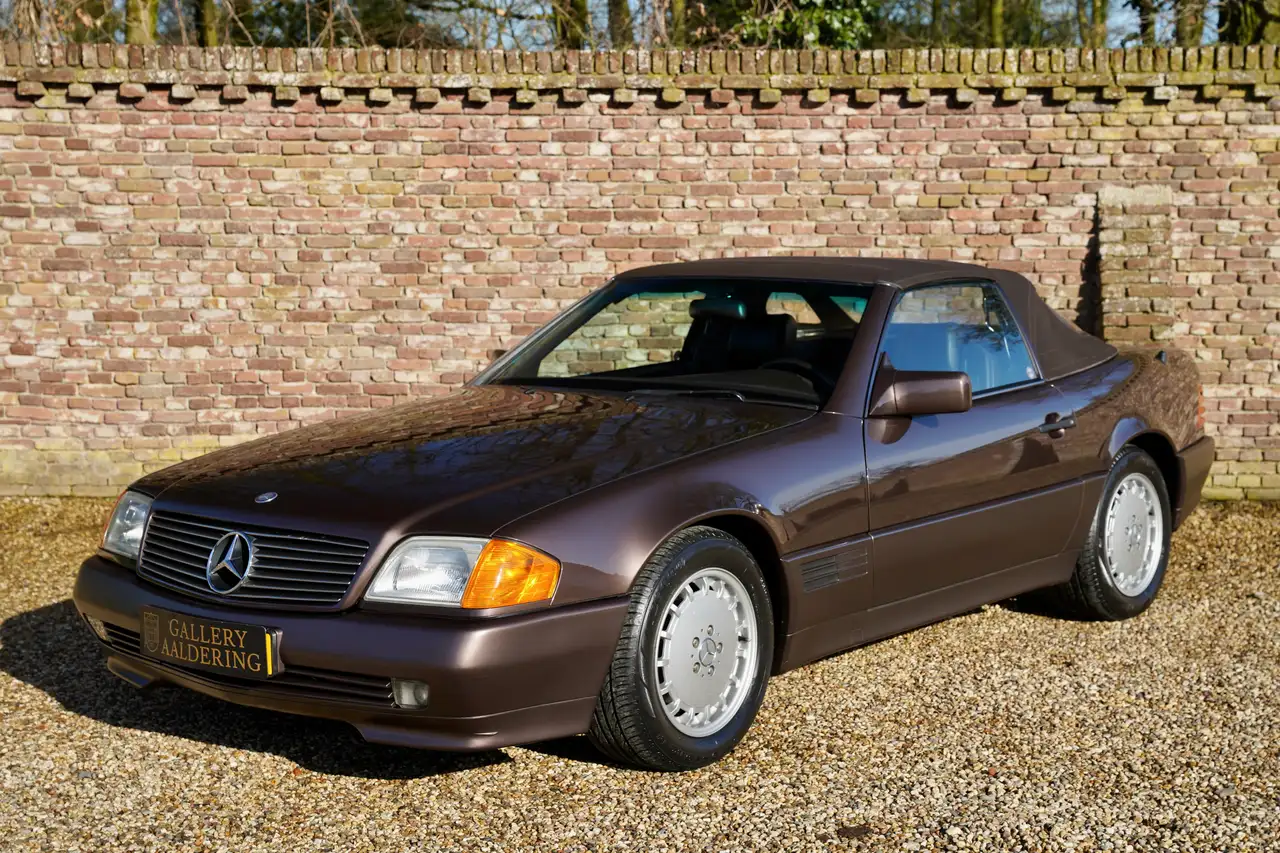
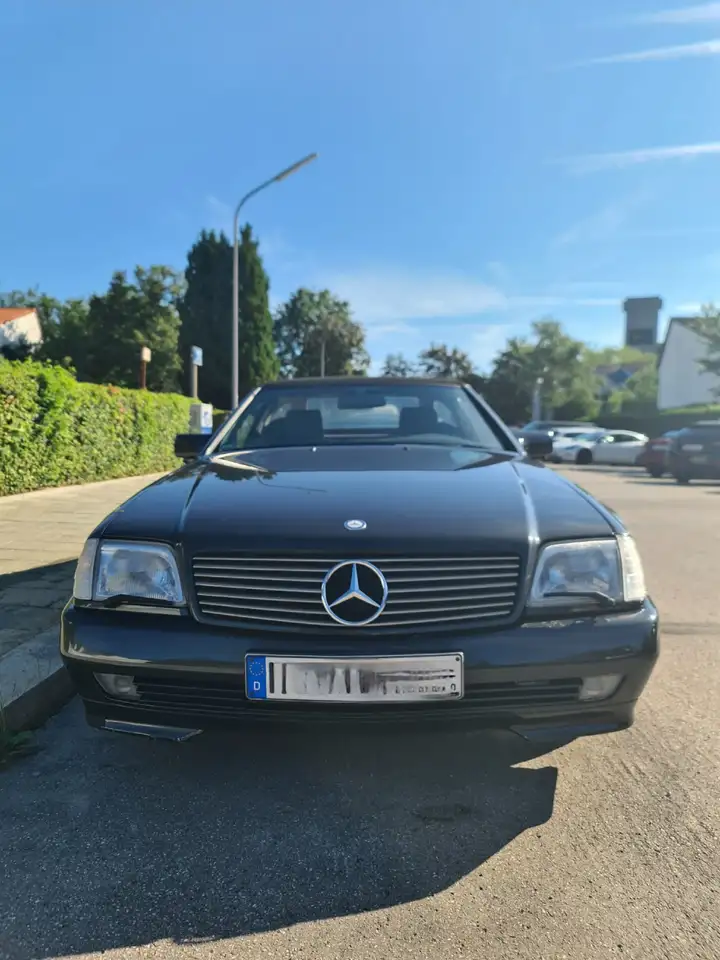
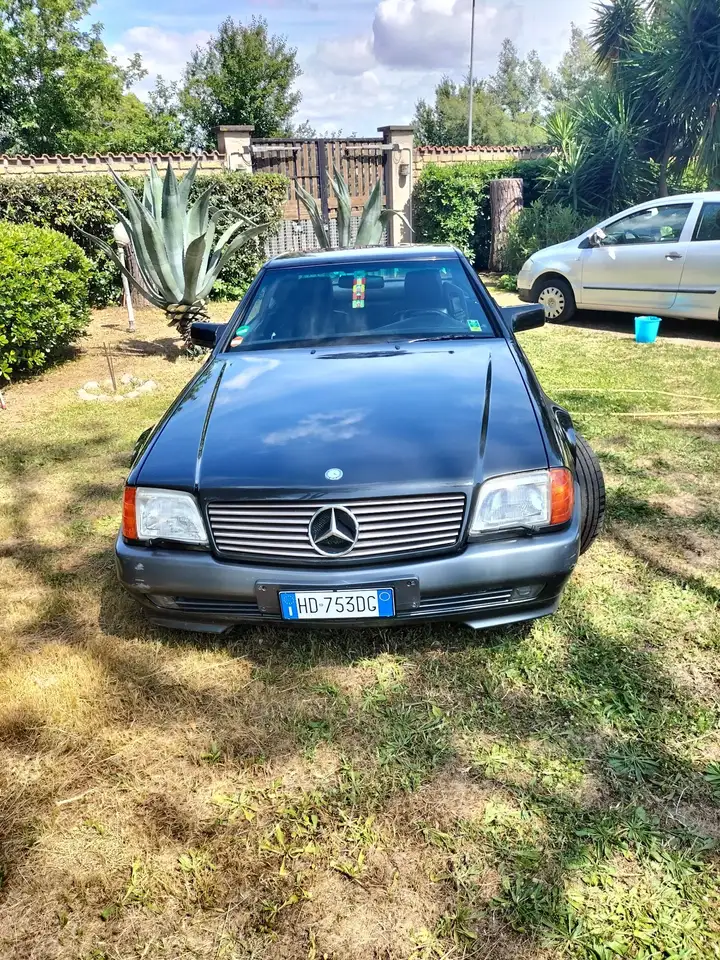
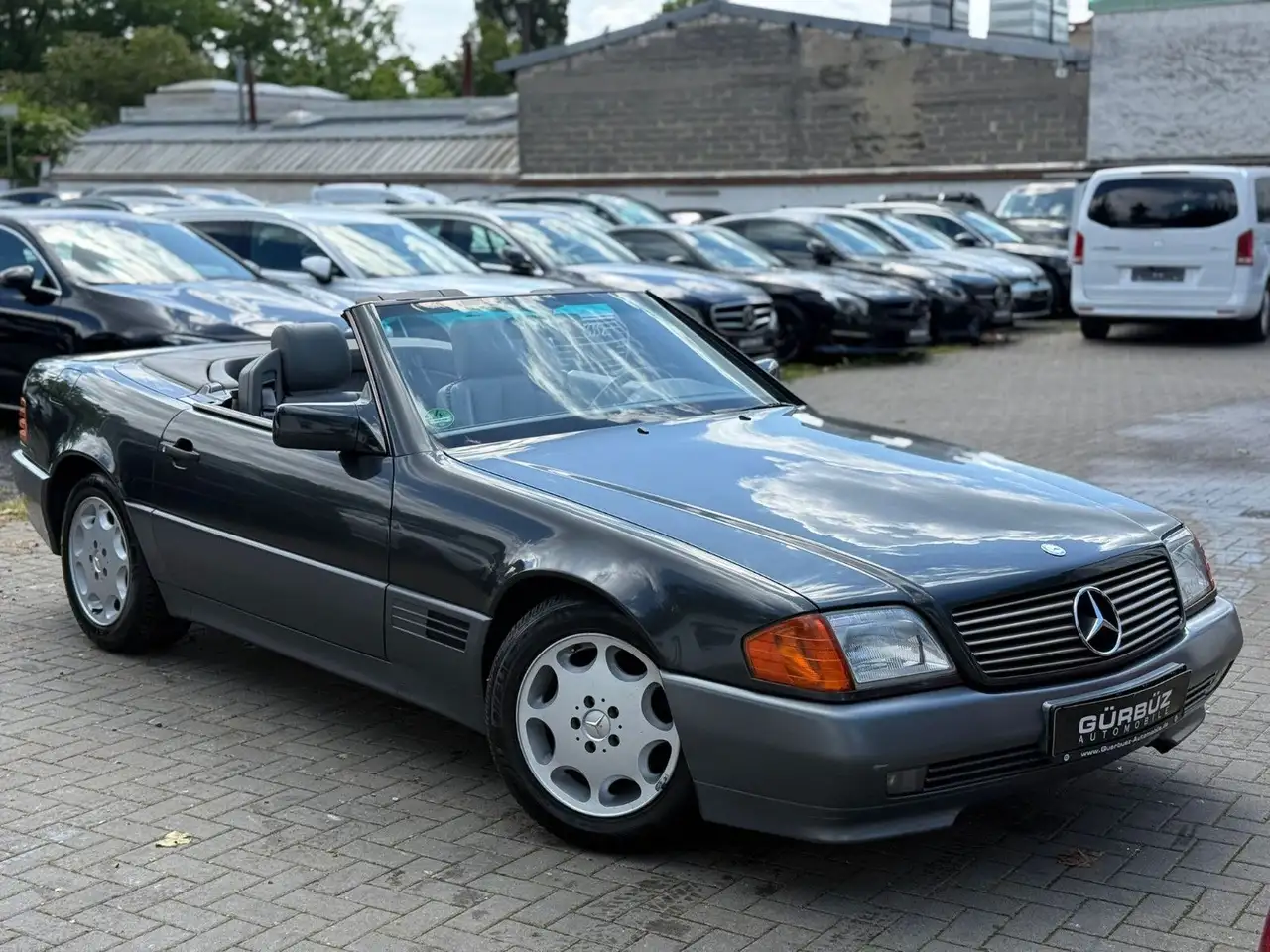
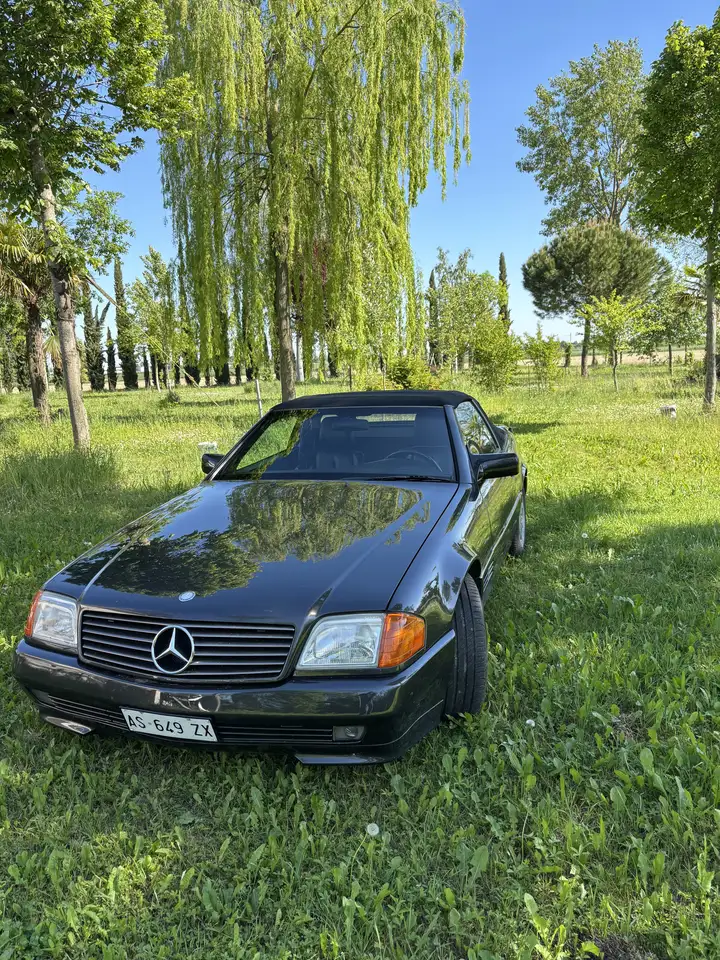
Sacco, quoted in Hagerty's guide among other places, called the R129 his most complete car - and his CV already held the W201, W126 and W124. You can see why, especially on early 1990-1995 cars. Chrome almost vanished; the star in the grille is the only bright metal on the first cars. A long bonnet, a steep screen and clean flanks gave a drag coefficient of 0.32 with the hardtop fitted - one of the best production figures of the period. A year after launch it won the international Car Design Award.
Underneath, the R129 uses a shortened W124 (E-Class) floorpan. That meant a modern multi-link rear axle in place of the R107's
Frequently Asked Questions
For a complicated, ageing premium car - yes, it ranks among the more durable Mercedes of the era. 'Reliable' means a serviced, complete example. Engines can do 200,000-300,000 km, but the electrics, roof hydraulics and ADS need attention and money.
For daily use, an SL 320 or a late SL 280 (cheaper to keep). The all-round best is the 1996-1998 SL 500 (M119, five-speed automatic). The SL 600 V12 is for character and a collection, with a higher service budget.
1992-1995 cars with the biodegradable insulation (LH and HFM injection). Pre-1992 KE-injection cars and 1996-on OBD2 cars are the safer years; the 3.0-litre six almost never has the problem. If you buy from that window, assume the loom is due or has been done.
It depends on condition and engine, but do not budget as if it were a small car. The largest single bills are roof hydraulics and ADS. A well-kept example where work is not deferred is often cheaper year-to-year than a 'cheap' car with a backlog. US owners quote about $1,000-3,000 a year as a rough band.
The R107 is the most classic choice and the strongest prices (especially the 560 SL). The R129 is the best compromise of modernity, comfort and entry price. The R230 is the most modern, but early ABC cars can be financially risky. For many buyers a healthy R129 is the most sensible of the three.
Hagerty has it coming off the bottom: recent 19-31% lifts, about 49% over five years on a #2 car, still well below an equivalent R107 560 SL. Early M119 cars and limited editions lead. Roof hydraulics and ADS remain the risk that can eat a year's gain. Check live ads and the SL index rather than a single figure.
For the sound and the twelve-cylinder badge - yes, and it is one of the faster-appreciating 'ordinary' variants. Buy cars on conventional springs with proven electrics; a tight engine and expensive parts make every service cost more than the V8.
Yes. Mercedes-Benz Classic still makes many original parts, and specialists (the UK SLSHOP among them) cover remanufactured roof cylinders through to trim. Some interior pieces are only available in black - a problem on sun-baked cabins.