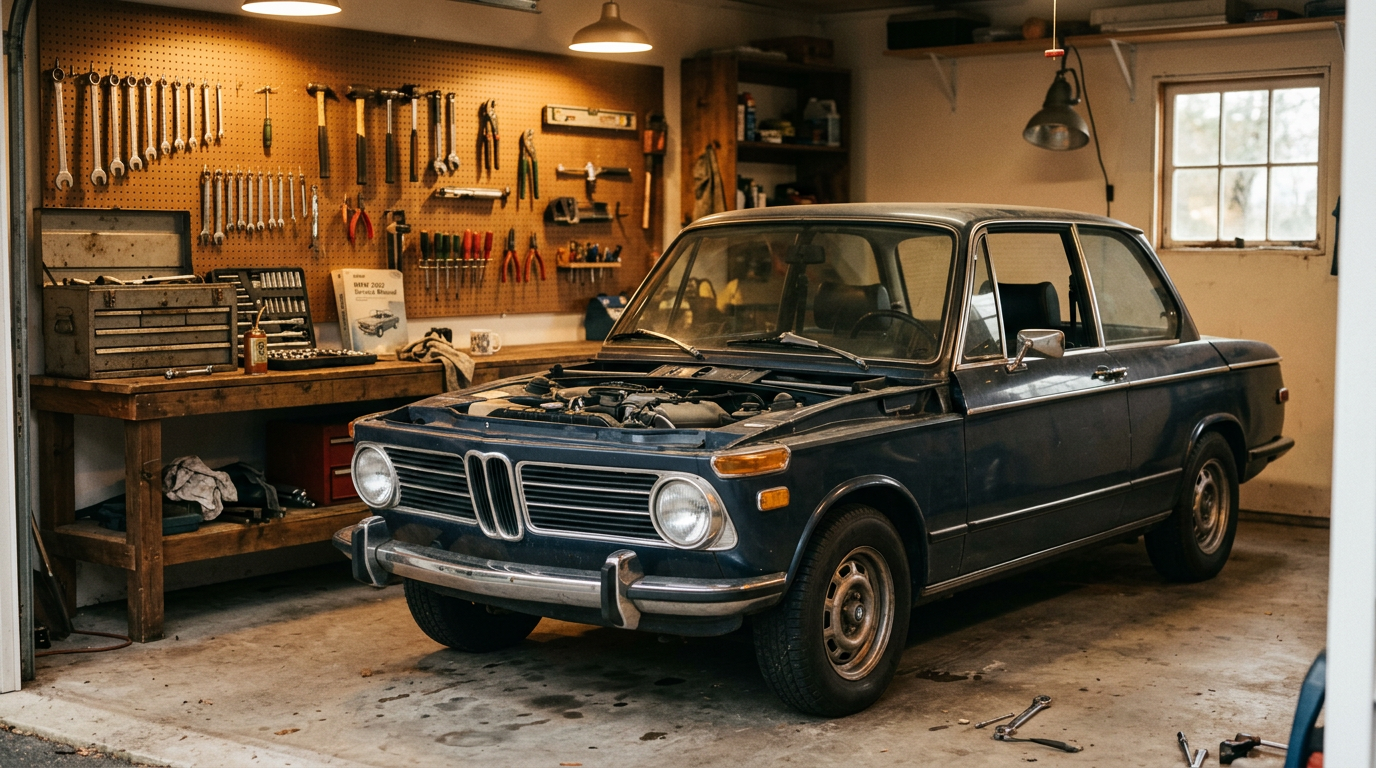
Buying your first classic car is one of those decisions that changes the texture of your weekends. Suddenly there are things to learn - how a twin-cam engine sounds when the tappets need adjusting, why the indicator switch only works when you hold it just so, what a healthy gearbox feels like versus one that is asking for help. There are communities to discover, events to attend, and a mechanical literacy that develops gradually, satisfyingly, and entirely unlike anything the digital world offers.
There is also a meaningful risk of buying badly, spending too much on the wrong car, and discovering that the romance of classic car ownership comes with a maintenance bill that nobody warned you about.
The aim is to prevent the second scenario and enable the first. Written for the person who has never owned a classic car, who is curious but cautious, and who wants to make a smart first purchase rather than an expensive mistake.
Choosing the Right Car
Start with What You Like, Then Apply Pragmatism
The best first classic car is a car you actually want to own. No amount of practical advice can compensate for the deflation of buying a "sensible" choice that leaves you cold every time you look at it. Start with the car that made you curious in the first place - then test it against three practical filters.
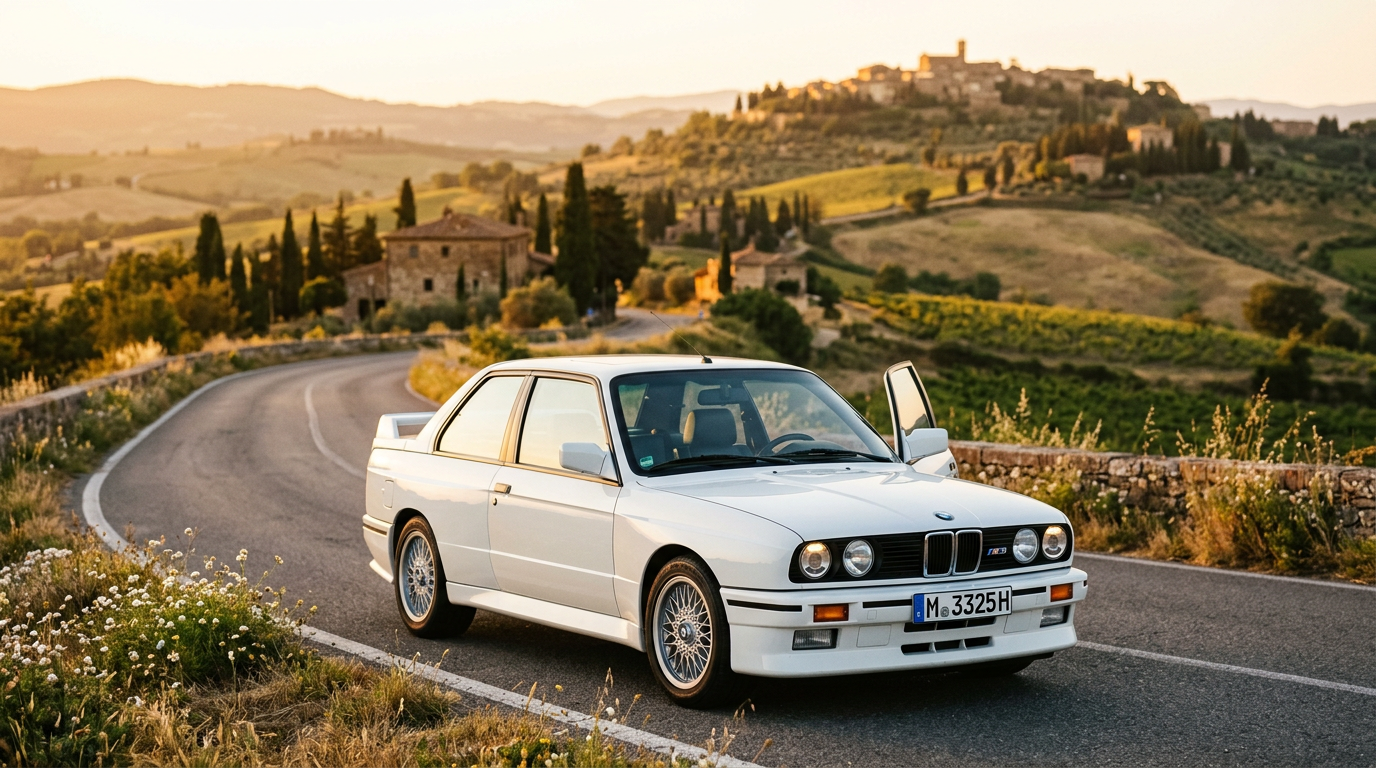
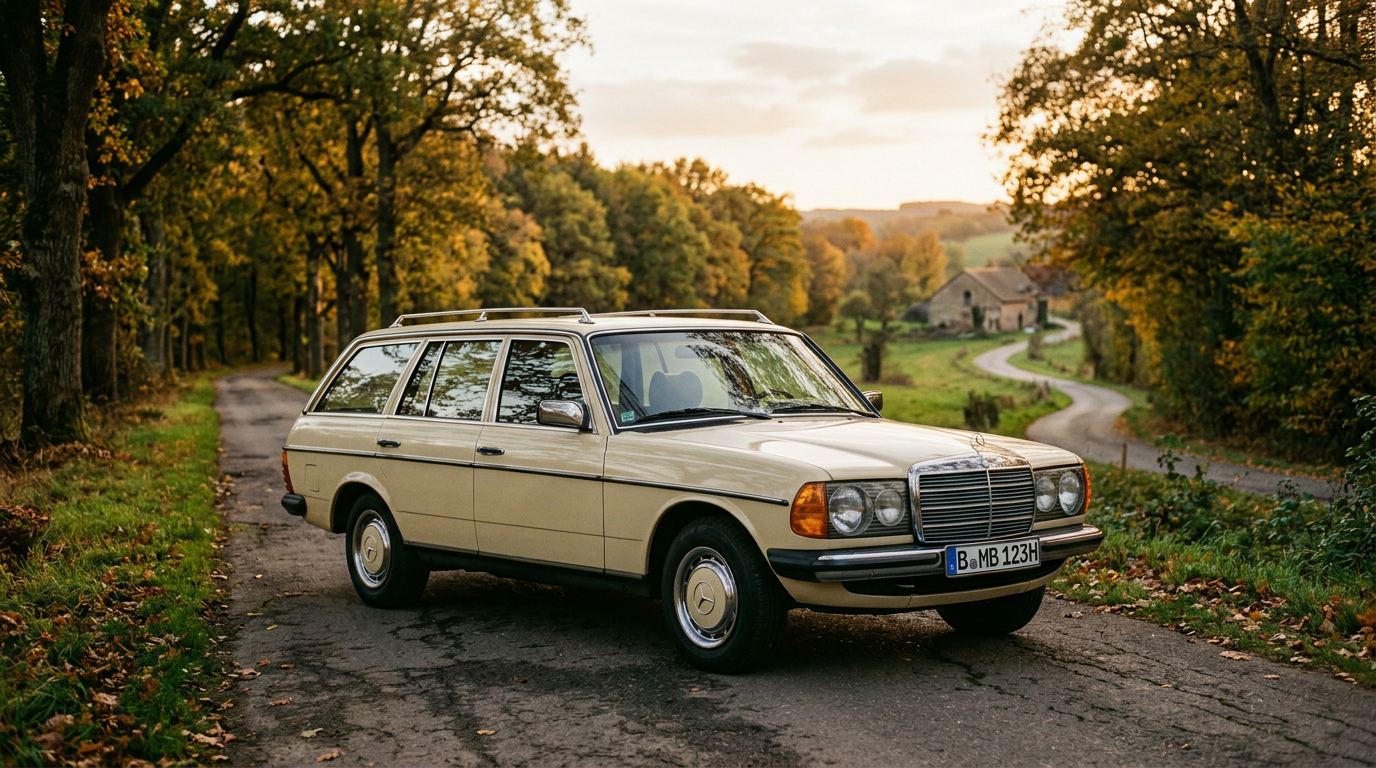
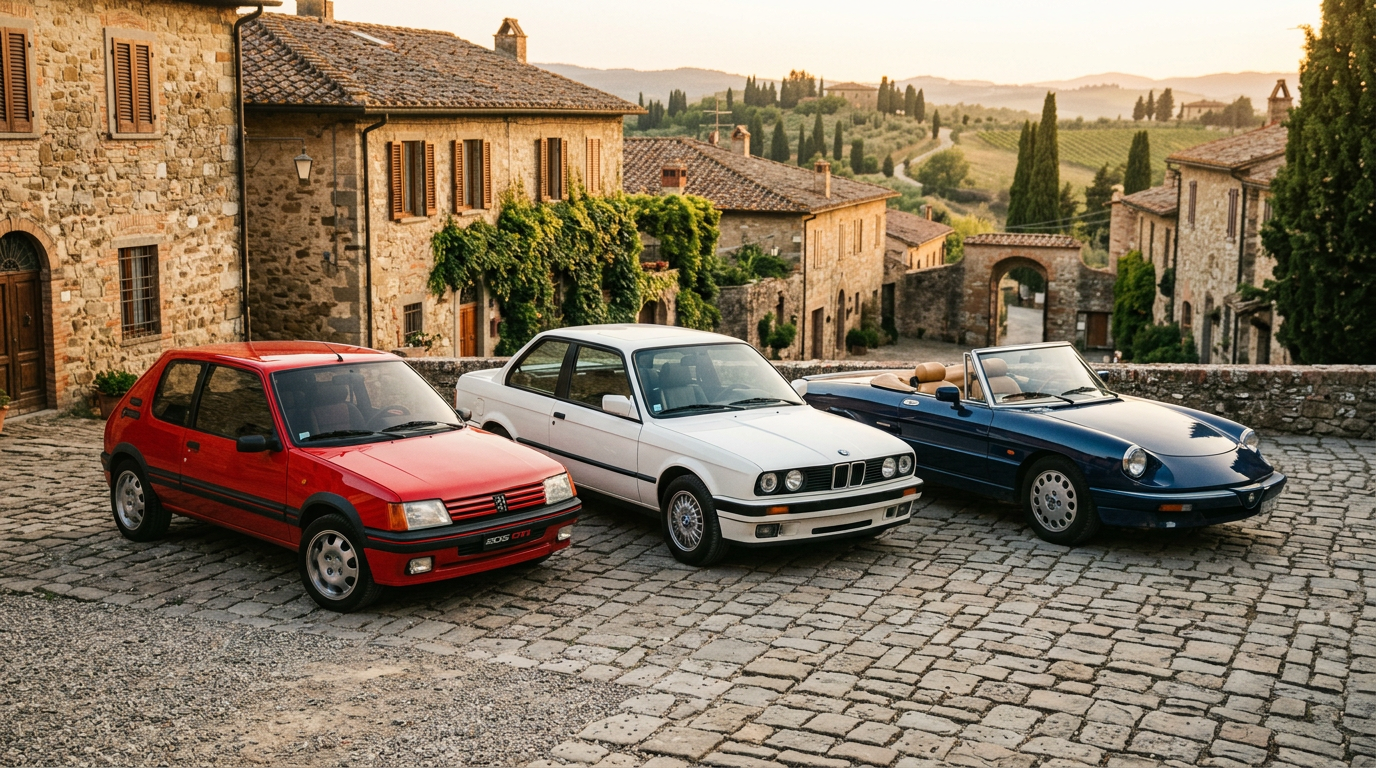
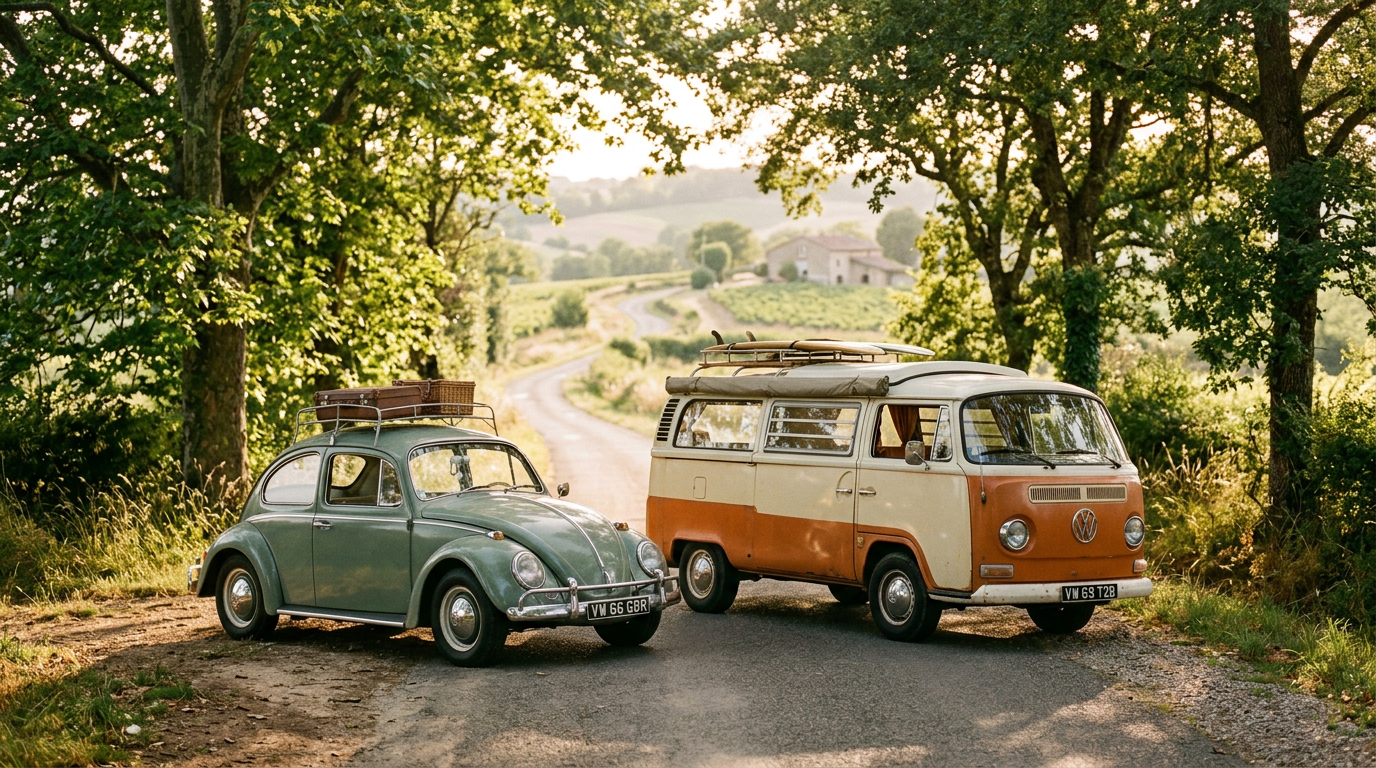
Filter one: parts availability. A classic car without accessible, affordable parts is a classic car that will spend more time in the garage than on the road. Before committing to any model, research the parts ecosystem. Are mechanical components readily available? Can body panels be sourced? Is there an active specialist supplier network? Models with strong parts ecosystems - BMW E30, Volkswagen Beetle, Mercedes W123, Fiat 126p, Porsche 911, Alfa Romeo Spider - reward their owners with lower costs and shorter repair times.
Filter two: specialist support. A knowledgeable specialist - a mechanic or a workshop that knows your specific model - is worth more than any amount of YouTube research. Before buying, identify at least one specialist within reasonable distance (or one you trust for postal-order diagnostics and advice). If no specialist support exists for the model you want, reconsider.
Filter three: community. The classic car community is one of the most generous in any hobby. Clubs, forums, Facebook groups, and local meets provide a network of knowledge, parts sources, and social connection that transforms ownership from a solo hobby into a shared experience. Choose a car with an active community. The knowledge you gain from other owners will save you time, money, and frustration.
The Best First Classic Cars in Europe
If you want a recommendation, these models consistently emerge as the best starting points for first-time classic car owners in Europe:
BMW E30 (particularly the 325i). Rear-wheel drive, perfectly balanced, mechanically accessible, with an enormous parts ecosystem and one of the most active communities in the classic world. Entry point: €8,000-€20,000 for a well-sorted example. Read the full BMW E30 buyer's guide →
Mercedes W123 (particularly the 230E or 300D). Built to last forever and very nearly does. The W123 asks nothing of its owner but regular oil changes and rewards with decades of dependable service. Entry point: €5,000-€15,000. Read the full W123 buyer's guide →
Volkswagen Beetle (1300/1500/1600 models). Mechanically simple, universally supported, and a genuine joy to learn on. The flat-four engine is the textbook introduction to how engines work. Entry point: €5,000-€12,000. Read the full VW Beetle & Bus buyer's guide →
Alfa Romeo Spider (Series 3 or Series 4). Italian charm at an accessible price, with the caveat that you must inspect for rust with particular rigour. Entry point: €15,000-€30,000. Read the full Alfa Spider buyer's guide →
Fiat 126p. If you are in Poland, the Maluch is the perfect first classic: cheap to buy, cheap to maintain, mechanically simple, and backed by a passionate community. Entry point: 5,000-15,000 zl.
The Buying Process
Find your first classic on Carseto
Browse classic cars across 47 European countries. Filter by make, price, and location to find the right first car at the right price.
Set a Budget - Then Add Twenty Percent
The purchase price of a classic car is not the cost of owning a classic car. The purchase price is the entry ticket. Ownership costs - maintenance, repairs, insurance, storage, registration - add up.
A realistic budget framework for your first year:
- Purchase price: Whatever you can afford within your total budget, minus twenty percent
- The twenty percent reserve: For immediate maintenance, unexpected repairs, and items the previous owner neglected to mention
- Annual running costs: €1,000-€3,000 depending on model (insurance, routine maintenance, consumables)
- Storage: Free if you have a garage. €50-€200/month if you need to rent space
The twenty percent reserve is not optional. Every classic car - no matter how thoroughly inspected before purchase - reveals something that needs attention in the first three months. A cooling system flush. A set of tyres. A battery. A brake fluid change. A mystery electrical gremlin. Budget for it, and you will enjoy the car from day one instead of resenting it.
Inspect Before You Buy
The single most important piece of advice in this entire guide: never buy a classic car without inspecting it in person. Photographs lie. Descriptions are optimistic. Only your own eyes (and hands, and nose) will tell you the truth about a car's condition.
If you do not yet have the knowledge to assess a classic car yourself, bring someone who does. A friend with experience, a local mechanic, or - for cars above €10,000 - a professional pre-purchase inspection service. The cost of a professional inspection (€200-€500) is trivially small relative to the cost of buying the wrong car.
The non-negotiable checks:
-
Structural integrity. Sills, floor pans, chassis rails, subframe mounts. If the structure is compromised, nothing else matters. Push down firmly on each corner of the car. If the body flexes around the B-pillar or the doors bind when the car is jacked, the structure is weak.
-
Engine health. Oil condition (pull the dipstick - clean oil at the correct level is the minimum expectation). Compression test (even if informal - listen for even running across all cylinders). Cold start behaviour (rattle, smoke, hesitation).
-
Gearbox function. Run through all gears with the engine cold. Crunching into second gear is the most common synchromesh issue on most classics. Whining in any gear suggests bearing wear.
-
Electrics. Test every switch, every light, every gauge. Electrical issues are the most common day-to-day frustration of classic car ownership, and assessing their scope before purchase is essential.
-
Documentation. Service book, invoices, MOT/TUV history, registration records. A car with a paper trail is a car that has been cared for. A car with no documentation invites questions about what has been neglected.
Where to Buy
Private sales offer the best value but require the most due diligence. The seller has no obligation to disclose defects (in most European jurisdictions), and there is no warranty.
Specialist dealers are more expensive but offer preparation, documentation, and often a limited warranty. For a first-time buyer, the premium for a dealer purchase can be money well spent.
Auctions offer transparency (public results, documented history) but add buyer premiums (10-15%) and the pressure of a timed sale. Not ideal for a first purchase unless you are very confident in your assessment.
Cross-border buying opens access to the full European market - more choice, better prices, and the possibility of finding exactly the right car rather than the best available locally. For first-time buyers, starting with a domestic purchase is simpler. But once you are confident, searching across borders is how you find the best cars.
Browse classic cars across Europe on Carseto →
The Mistakes Every Beginner Makes
These are not hypothetical. These are the mistakes that first-time buyers make consistently, across every country and every model.
Mistake one: buying on emotion without inspection. You see the car. You love the colour. The engine sounds great (for the thirty seconds you listened). You buy it. Three weeks later, you discover the sills are made of filler and the "great" engine is burning a litre of oil per hundred kilometres. Always inspect. Always.
Mistake two: buying a project as your first car. A project car - a car that needs significant work before it can be driven - sounds like an adventure. In reality, it is a test of patience, skill, and budget that most first-time owners are not ready for. Your first classic should be a car you can drive, enjoy, and learn from - not a car that sits in your garage demanding skills you have not yet developed.
Mistake three: ignoring running costs. The purchase price is the beginning, not the end. Insurance, maintenance, tyres, fluids, storage, and the inevitable unexpected repairs add up. A €5,000 car with €3,000 in annual running costs is a €5,000 car that costs €8,000 in its first year.
Mistake four: modifying before understanding. Resist the urge to modify your first classic immediately. Drive it as it is for six months. Learn how it behaves, what it needs, and what you actually want to change - based on experience rather than enthusiasm. Modifications that seem essential before ownership often turn out to be unnecessary after living with the car.
Mistake five: not joining the community. The club, the forum, the Facebook group, the local meet - these are not optional extras. They are the support network that makes classic car ownership sustainable and enjoyable. Join on day one. Introduce yourself. Ask questions. The classic car community is overwhelmingly generous with knowledge and help.
Living with Your First Classic
Start your Garage on Carseto
Add your first classic to your Carseto Garage - track its value, document maintenance, and join a community of collectors.
Maintenance Is Not a Burden - It Is the Point
The shift in mindset that separates happy classic car owners from frustrated ones is this: maintenance is not a problem to be solved. It is the hobby.
Checking the oil before a drive. Adjusting the tappets on a Saturday morning. Bleeding the brakes. Replacing a fuel filter. These are not inconveniences - they are the activities that build the mechanical literacy, the sense of competence, and the connection to the machine that makes classic car ownership distinct from driving a modern car.
You do not need to be a mechanic to own a classic. But you do need to be willing to learn. Start with the basics - fluid checks, tyre pressures, visual inspections - and build from there. Every classic car has a workshop manual. Buy one. Read it. Use it.
Storage Matters
A classic car stored in a dry garage will outlast one stored on the street by decades. If you have a garage, use it. If you do not, investigate local storage options - shared garages, classic car storage facilities, or covered parking. The investment in proper storage pays for itself in reduced corrosion, better condition, and higher resale value.
At minimum: a breathable car cover, a battery conditioner, and attention to ventilation. Never store a classic car under a non-breathable plastic cover - it traps moisture and accelerates corrosion.
Insurance
Get an agreed-value policy from a specialist classic car insurer. Standard motor policies undervalue classics and provide inadequate coverage. Specialist policies cost little more than standard coverage and protect the car's actual market value. See our Classic Car Insurance Guide for country-by-country recommendations.
Frequently Asked Questions
What is the best classic car for a beginner? The BMW E30 325i, Mercedes W123, and Volkswagen Beetle are consistently recommended for first-time owners. All three offer strong parts availability, active communities, mechanical accessibility, and prices that allow entry without excessive financial risk.
How much should I spend on my first classic car? €5,000-€15,000 buys a good first classic across most of the European market. Set aside an additional 20% of the purchase price for first-year maintenance and unexpected repairs.
Can I use a classic car as a daily driver? Some classics - the Mercedes W123, late-model Beetles, BMW E30 - are perfectly suited to regular use. Others (pre-war cars, high-value concours examples, fragile exotics) are not. Consider the car's practicality, reliability, and your tolerance for the occasional inconvenience.
How do I find a good classic car in Europe? Start by searching across borders. A pan-European search surfaces more cars, better prices, and a wider selection than limiting yourself to a single country. Use Carseto to search across 47 European countries, then narrow by make, model, price, and location.
Do classic cars appreciate in value? Many do - particularly original, well-documented examples with strong community demand. But appreciation should be a welcome side effect of ownership, not the primary motivation. Buy a car you enjoy, maintain it well, and the value will take care of itself.
The Beginning of Something
Your first classic is waiting
Over 25,000 classic cars listed across Europe. Search by make, model, price, and country - and find the one that starts your story.
Buying your first classic car is not the end of a search. It is the beginning of something else entirely - a relationship with a machine that has personality, demands, and rewards that no modern car can offer. It is the start of weekends spent learning, driving, tinkering, and discovering a community of people who share your particular form of enthusiasm.
Do it thoughtfully. Do it with preparation. And above all, do it - because the experience of owning a classic car is one of those things that improves every year, from the first nervous drive to the thousandth.
Start your search on Carseto →
Add your first classic to your Garage on Carseto - and start building your collection story. Create your Garage →
Related reading: BMW E30 Buyer's Guide · Mercedes W123 Buyer's Guide · 10 Classic Cars Under €30,000
This article is part of the Carseto Journal - market intelligence and stories from Europe's classic car world.