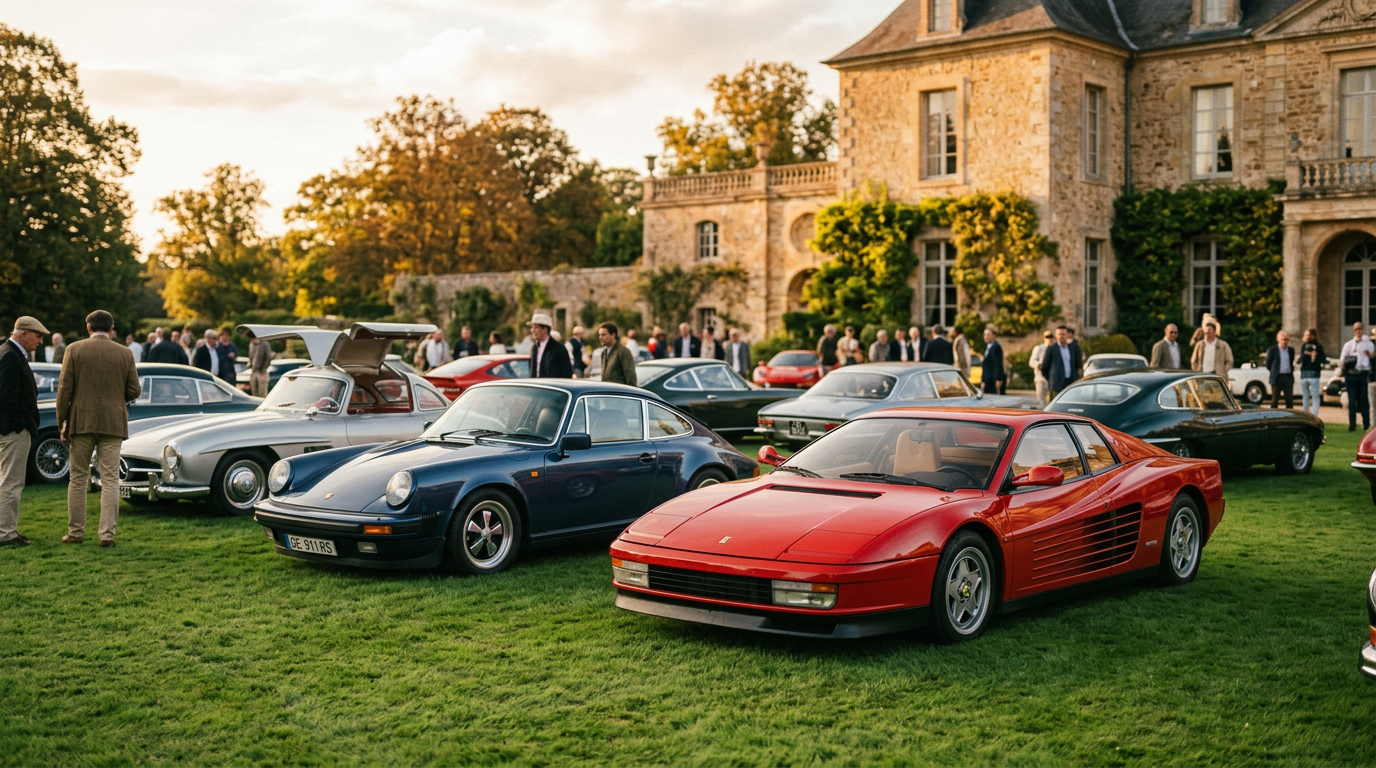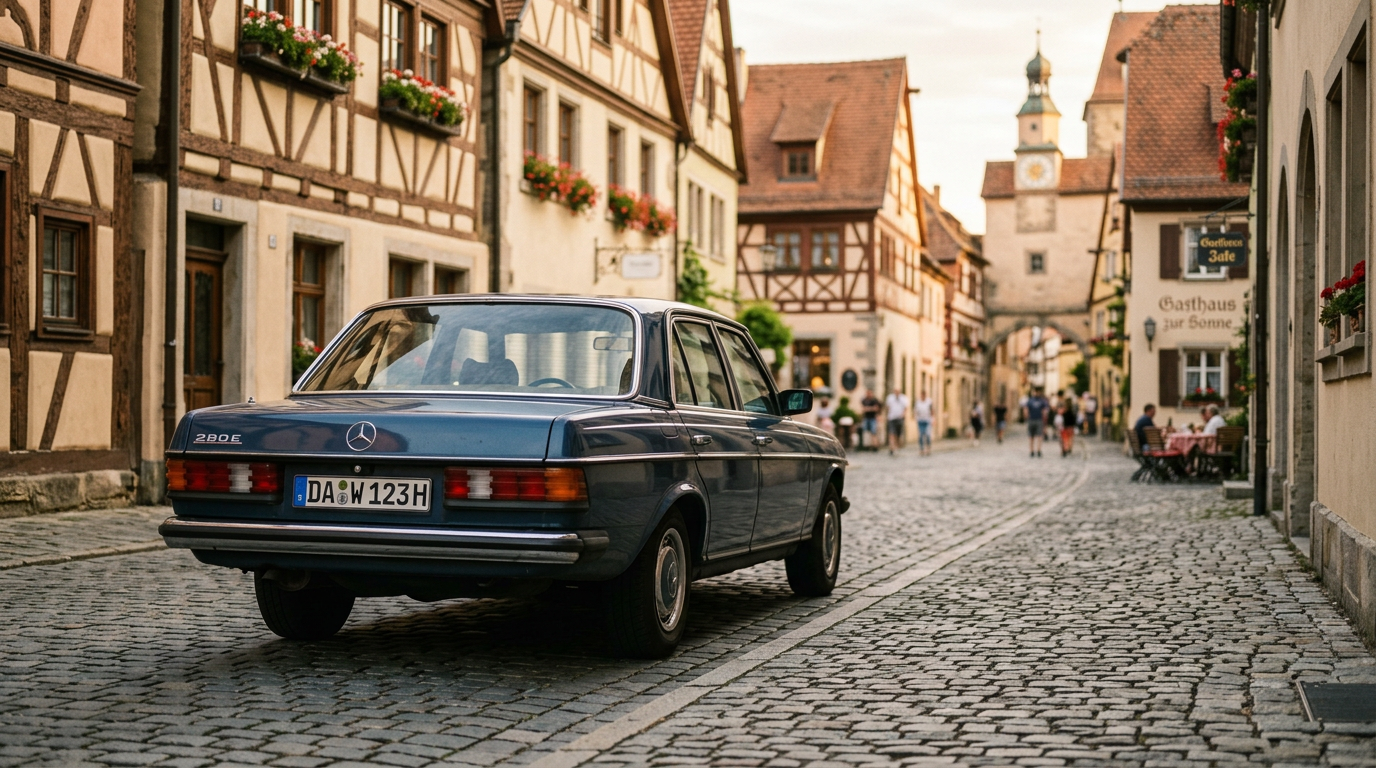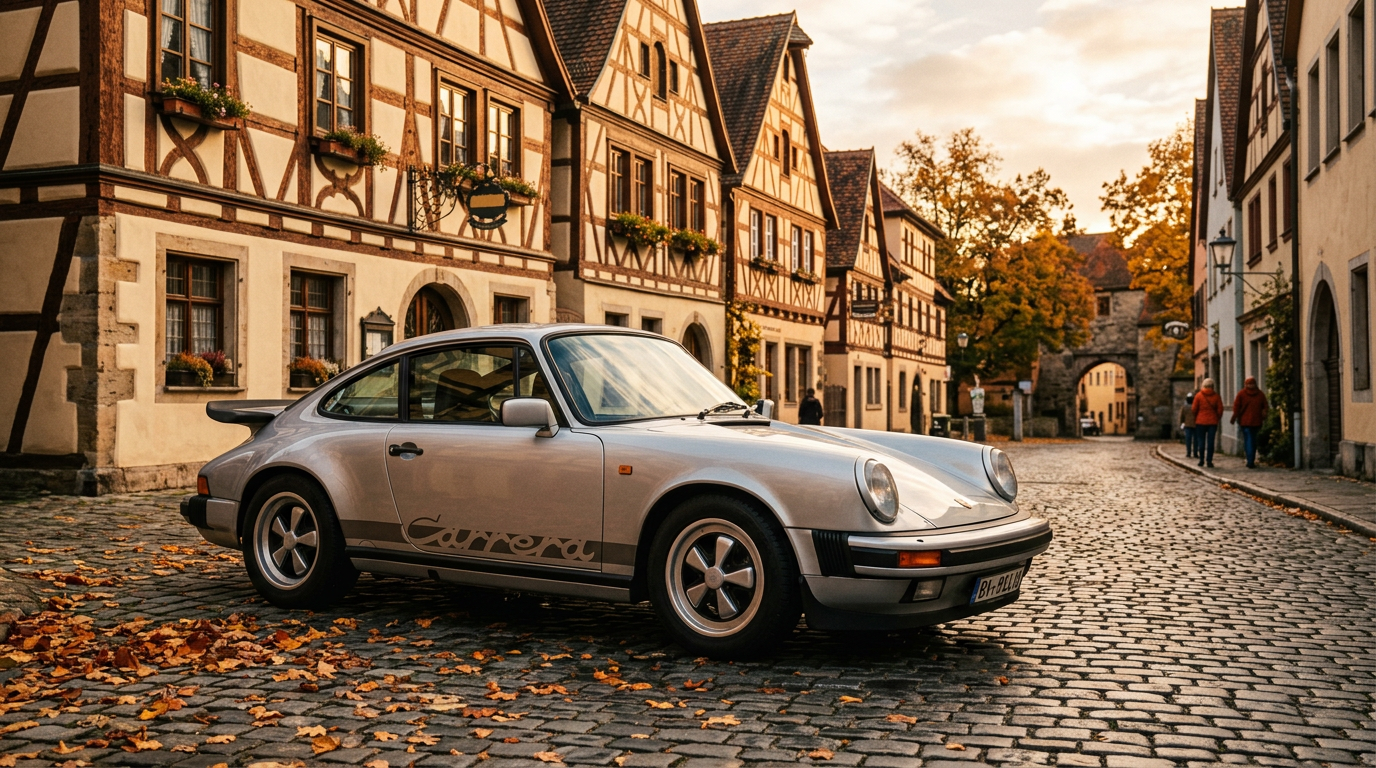
La Germania è il mercato di auto d'epoca più grande d'Europa. Oltre tre milioni di veicoli classici e youngtimer sono immatricolati nel Paese, la rete di concessionari specialisti è la più fitta del continente e la cultura della manutenzione meticolosa - sostenuta dal sistema di revisione TÜV e dal quadro normativo dell'immatricolazione storica H-Kennzeichen - fa sì che le classiche provenienti dalla Germania arrivino spesso con quel tipo di storia documentata che le vetture di altri mercati semplicemente non hanno.
Per gli acquirenti europei, la Germania rappresenta sia la scelta più ampia sia, spesso, il miglior rapporto qualità-prezzo. La stessa auto che costa 50.000 € presso un concessionario britannico può talvolta trovarsi per 40.000–45.000 € in Germania. La stessa Porsche 911 quotata a 140.000 € nei Paesi Bassi può avere un equivalente a Stoccarda a 125.000 €. Questi scarti non sono teorici: sono costanti e duraturi, sostenuti dal fatto semplice che la Germania ha più auto d'epoca di qualsiasi altro Paese europeo.
Questa guida copre l'intero percorso: dove trovare le vetture, come funziona il sistema H-Kennzeichen, come orientarsi nell'acquisto, la radi, la logistica d'esportazione, le tasse e le realtà pratiche di riportare a casa un'auto classica dalla Germania.
Cerca annunci di auto d'epoca in Germania su Carseto →
Perché la Germania?
Tre fattori strutturali rendono la Germania il mercato di riferimento del continente per le auto d'epoca.
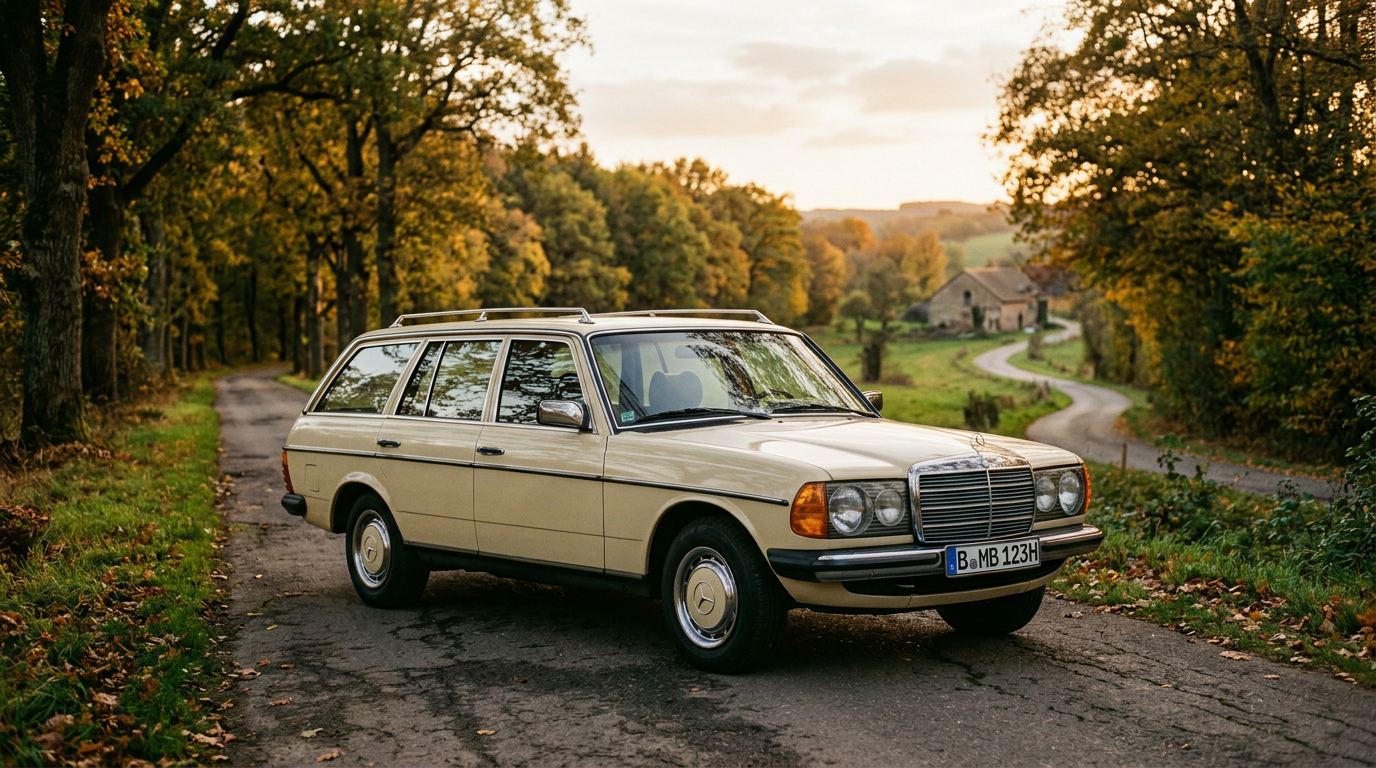
Volume. La Germania ha più auto d'epoca immatricolate di qualsiasi altro Paese europeo. Volkswagen e Mercedes-Benz da sole rappresentano oltre il 40% di tutte le classiche tedesche di oltre 30 anni. Le tre vetture con targa H più numerose per immatricolazioni sono la Mercedes W123/W124, la VW Maggiolino e il VW Bus. Ma il mercato tedesco non si limita ai marchi nazionali: le classiche italiane, britanniche, francesi e svedesi sono ben rappresentate, curate secondo standard tedeschi e reperibili attraverso la rete di dealer specialistici.
Documentazione. Il sistema di revisione TÜV (Technischer Überwachungsverein) impone controlli tecnici periodici a tutti i veicoli circolanti. Ciò crea una traccia documentata delle condizioni meccaniche e strutturali dell'auto nel corso dei decenni. Molti proprietari tedeschi conservano anche lo Scheckheft (libretto tagliandi) completo: una Mercedes o una BMW acquistata in Germania può arrivare con ogni intervento di manutenzione dal primo taglio olio a 1.000 km fino all'ultima revisione. Questa documentazione è preziosissima per provenienza e valutazione dello stato.
Il sistema H-Kennzeichen. Il quadro di immatricolazione per veicoli storici introdotto nel 1997 offre vantaggi fiscali e assicurativi per vetture di oltre 30 anni mantenute in condizioni che riflettono in modo sostanziale le specifiche di origine. L'imposta annua forfettaria è di 191 € indipendentemente dalla cilindrata, e l'assicurazione H-Kennzeichen costa in genere il 50–70% in meno rispetto alle polizze standard. Il sistema incentiva la conservazione delle vetture in specifiche originali e in buone condizioni - esattamente il tipo di auto che i collezionisti cercano.
Capire l'H-Kennzeichen
L'H-Kennzeichen (Historisches Kennzeichen, riconoscibile dal suffisso «H» sulla targa) è la pietra angolare della cultura tedesca delle auto d'epoca. Capirlo è importante per l'acquirente perché lo stato H-Kennzeichen dice qualcosa di rilevante sulle condizioni e sull'originalità dell'auto.
Ammissibilità: Il veicolo deve avere almeno 30 anni ed essere valutato da un ispettore certificato come in condizioni che riflettono in modo sostanziale le specifiche di fabbrica. Non significa livello concours: significa niente modifiche non d'epoca rilevanti, niente danni strutturali e uno stato presentabile coerente con l'età dell'auto.
La valutazione: Un ispettore TÜV o DEKRA effettua un esame dettagliato su carrozzeria, verniciatura, motore, telaio, interni e documentazione. L'auto deve superare la revisione tecnica ordinaria (Hauptuntersuchung/HU) oltre alla valutazione aggiuntiva per veicoli storici. Il costo complessivo è di circa 100–200 €.
Cosa significa per chi compra: Un H-Kennzeichen attivo è un indicatore positivo. Conferma che un ispettore certificato ha valutato l'auto sostanzialmente originale e idonea alla circolazione in un momento recente. Non è una garanzia di qualità: è una valutazione professionale dello stato in un dato istante. Ma è più rassicurazione di quanto offrano la maggior parte dei mercati di auto classiche.
Per chi esporta: L'H-Kennzeichen in sé non si trasferisce in altri Paesi. Si compra l'auto, non l'immatricolazione. Ma la documentazione della valutazione per targa H, unita agli atti delle revisioni TÜV, fornisce prove preziose della storia delle condizioni dell'auto.
Dove trovare auto classiche in Germania
Sfoglia le auto d'epoca in vendita in Germania su Carseto.
Dalle Porsche 911 a Stoccarda alle Mercedes station wagon ad Amburgo: tutto il mercato tedesco.
Mercati online
Mobile.de è il più grande marketplace automobilistico tedesco e ospita un'ampia selezione di auto d'epoca. Gli annunci sono in tedesco, ma l'interfaccia è navigabile con competenze linguistiche di base o la traduzione del browser. Filtrare per «Oldtimer» o «Youngtimer» per concentrarsi sulle classiche.
AutoScout24 opera in tutta Europa e ha un forte inventario tedesco. L'interfaccia è disponibile in inglese per alcuni mercati.
Classic Driver ha una significativa presenza di concessionari tedeschi e opera in inglese, risultando accessibile agli acquirenti internazionali.
eBay Kleinanzeigen (oggi Kleinanzeigen.de) è l'equivalente tedesco degli annunci: forte sulle vendite tra privati e talvolta fa emergere vetture sottovalutate.
Carseto aggrega annunci da queste piattaforme e dai dealer specialistici tedeschi, presentandoli in un'unica interfaccia di ricerca multilingue con contesto sui prezzi transfrontalieri.
Concessionari specializzati
La rete di dealer specialistici tedeschi per auto d'epoca è la più profonda d'Europa. Ogni grande marchio è rappresentato: specialisti Porsche nell'area di Stoccarda, Mercedes nel corridoio Stoccarda-Sindelfingen, BMW in tutta la Baviera e dealer multimarca nelle grandi città.
I dealer specialistici offrono in genere prezzi più alti rispetto alle vendite private, ma forniscono preparazione, documentazione e - in alcuni casi - copertura di garanzia. Per chi non conosce il mercato tedesco, un dealer specialistico riduce il rischio.
Vendite private
Le vendite private offrono il miglior valore ma richiedono più controlli. I venditori privati tedeschi sono in genere informati e trasparenti sulle condizioni: la cultura favorisce trattative chiare. Tuttavia il quadro giuridico differisce dal Regno Unito: le vendite private in Germania sono spesso condotte «unter Ausschluss jeglicher Gewährleistung» (con esclusione di ogni garanzia), il che significa che l'acquirente assume la piena responsabilità sullo stato dell'auto.
Aste
Le aste di auto d'epoca in Germania sono meno visibili che nel Regno Unito ma in crescita. Dorotheum, Auctionata e case d'asta regionali gestiscono auto classiche. Le piattaforme online paneuropee - Collecting Cars, The Market by Bonhams - includono anche inventario tedesco.
Cerca auto d'epoca in vendita in Germania su Carseto →
Il processo d'acquisto
Visione e ispezione
Concordare una visione direttamente con il venditore o il dealer. Se viaggiate da un altro Paese, richiedete fotografie dettagliate - anche del sottoscocca - prima di impegnarvi nel viaggio. Per vetture di alto valore (oltre 30.000 €), valutate di commissionare un'ispezione pre-acquisto indipendente presso uno specialista locale prima di partire. Costa 300–500 € e può far risparmiare migliaia.
Negoziazione
I venditori tedeschi in genere quotano le auto in modo equo fin dall'inizio. La contrattazione aggressiva è meno frequente (e meno efficace) che in altri mercati. Un'offerta ragionevole - il 5–10% sotto il prezzo richiesto per una vendita privata, meno per un dealer - è appropriata. Pagamento in contanti o bonifico diretto (Überweisung) è lo standard. I venditori tedeschi raramente accettano assegni personali di acquirenti stranieri.
Il contratto di compravendita
Le compravendite di veicoli in Germania - anche tra privati - usano un contratto scritto (Kaufvertrag). I modelli standard sono ampiamente diffusi e coprono gli elementi essenziali: acquirente, venditore, identificazione del veicolo, prezzo, modalità di pagamento ed esclusione di garanzia. Assicuratevi che il contratto includa il VIN (Fahrzeug-Identifikationsnummer), il chilometraggio e una dichiarazione chiara di eventuali difetti noti. Conservate l'originale: vi servirà per l'immatricolazione nel vostro Paese.
Pagamento
Il bonifico (Überweisung) è lo standard per le transazioni di veicoli in Germania. I bonifici internazionali sono semplici nell'area SEPA (tutti i Paesi UE più SEE). Per transazioni di alto valore, considerate un servizio di pagamento sicuro o un deposito a garanzia. I pagamenti in contanti oltre 10.000 € richiedono identificazione secondo le normative tedesche antiriciclaggio.
Radi dalla circolazione ed esportazione
Radi (Abmeldung)
Prima di esportare un'auto dalla Germania, deve essere radiata presso l'ufficio di immatricolazione locale (Zulassungsstelle). Di solito se ne occupa il venditore, ma verificate. Servono:
- Il documento di circolazione (Fahrzeugbrief/Zulassungsbescheinigung Teil II)
- Il certificato di immatricolazione (Fahrzeugschein/Zulassungsbescheinigung Teil I)
- Revisione TÜV valida (se l'auto è attualmente immatricolata)
- Le targhe (da consegnare in ufficio)
La radi è immediata e costa circa 5–15 €.
Targhe provvisorie (Kurzzeitkennzeichen)
Se intendete riportare l'auto guidandola anziché con il trasporto, potete ottenere targhe transitorie di breve durata (Kurzzeitkennzeichen) valide per cinque giorni. Richiedono:
- Revisione TÜV/HU valida
- Assicurazione (ottenibile online presso fornitori tedeschi; necessario il numero eVB)
- Documento d'identità (passaporto o carta d'identità)
- Il contratto di compravendita
Il costo è di circa 50–100 €, targhe e assicurazione incluse. Le targhe transitorie consentono di circolare legalmente in Germania e, nell'UE, fino al Paese di destinazione - verificate comunque la copertura assicurativa per i Paesi di transito.
Opzioni di trasporto
Per auto non circolanti, troppo preziose per lunghi tragitti, o se preferite non guidare, sono disponibili trasporti coperti o scoperti. Società professionali di trasporto per auto d'epoca operano in tutta Europa. I costi variano in base a distanza e livello di servizio:
- Carrello aperto (condiviso): 500–1.000 € dalla Germania al Regno Unito o alla Polonia
- Trasporto coperto singola auto: 1.000–2.000 € sugli stessi itinerari
- Servizi con autista professionista: 500–1.500 € a seconda della distanza
Prenotate il trasporto con anticipo, soprattutto in primavera (quando il mercato delle classiche raggiunge il picco). Assicuratevi che la ditta abbia coperture adeguate - e verificate cosa coprono.
Tasse, dazi e immatricolazione
Confronta i prezzi delle auto d'epoca in tutta Europa.
La ricerca transfrontaliera mostra risparmi del 15–25% sulla stessa auto.
Trasferimenti intra-UE
Per gli acquirenti nell'Unione europea, il trasferimento di un veicolo usato tra Stati membri è lineare. Non si applicano dazi doganali. Il trattamento IVA dipende dal venditore:
- Acquisto da un privato: non si applica IVA tedesca. Immatricolate l'auto nel vostro Paese e pagate eventuali imposte di immatricolazione locali.
- Acquisto da un dealer (regime del margine): il dealer addebita l'IVA tedesca sul margine. Non è dovuta ulteriore IVA nel Paese di immatricolazione.
- Acquisto da un dealer (regime ordinario): il dealer può addebitare IVA a zero per cessione intra-UE e pagate l'IVA nel Paese di immatricolazione al tasso locale.
Verificate il trattamento IVA con il venditore prima dell'acquisto: le specifiche possono influire sul costo totale di migliaia di euro.
Acquirenti nel Regno Unito (post-Brexit)
Comprare un'auto classica in Germania per importarla nel Regno Unito comporta oggi sdoganamento. Le vetture di oltre 50 anni possono beneficiare di dazi ridotti. Il dazio standard è del 6,5% e si applica l'IVA britannica (20%) sul valore dichiarato. Consultate uno spedizioniere doganale o un importatore specialistico prima dell'acquisto per conoscere il costo totale a destinazione.
Immatricolazione nel Paese di residenza
Ogni Stato membro UE ha la propria procedura. Nella maggior parte dei casi servono:
- Il documento di radi tedesco
- Il contratto di compravendita
- Prova d'identità
- Revisione tecnica nel Paese di destinazione (se richiesta - varia per Paese)
- Pagamento di imposte e onorari di immatricolazione locali
In Polonia, l'immatricolazione di un veicolo importato prevede revisione tecnica (przegląd techniczny), accisa (akcyza - 3,1% per motori fino a 2.000 cc, 18,6% oltre) e immatricolazione presso il wydział komunikacji locale. Il processo richiede 2–4 settimane.
Consigli pratici
Tieni traccia della tua classica nel My Garage.
Documenta la collezione, ottieni indicazioni sul valore e pubblica l'annuncio quando vorrai vendere.
Lingua. Molti dealer tedeschi parlano inglese, in particolare a Stoccarda, Monaco e Amburgo. I privati spesso no. Alcune frasi chiave in tedesco - o un amico germanofono - possono semplificare molto. Almeno: «Ist der Preis verhandelbar?», «Kann ich eine Probefahrt machen?» e «Gibt es bekannte Mängel?».
Stagionalità. Il mercato tedesco delle classiche è più attivo da marzo a settembre. I prezzi tendono a essere leggermente più morbidi in inverno e l'offerta può ridursi - ma i venditori seri pubblicano tutto l'anno.
La stretta di mano. La cultura d'affari tedesca valorizza chiarezza e affidabilità. Se concordate l'acquisto, rispettate l'impegno. Allo stesso modo, se un venditore accetta di tenervi l'auto, di solito lo fa. La «stretta di mano» non è un termine giuridico - ma riflette un'aspettativa culturale di buona fede che rende piacevole trattare sul mercato tedesco.
Ispezione. Anche in Germania, con la sua cultura documentale, un'ispezione pre-acquisto è essenziale per ogni acquisto significativo. Una stazione TÜV può effettuare un controllo a pagamento (Prüfung) su un'auto che state valutando, anche se non è ancora vostra.
Domande frequenti
Conviene comprare un'auto classica in Germania? In genere sì. L'ampia offerta di classiche ben mantenute genera prezzi competitivi. Risparmi del 10–20% rispetto ai prezzi britannici sono frequenti, anche al netto di trasporto e immatricolazione. Per chi acquista in Polonia e in altri mercati dell'Europa orientale, il margine può essere ancora maggiore.
Devo parlare tedesco per comprare un'auto in Germania? Aiuta ma non è indispensabile. Molti dealer parlano inglese. Per le vendite private, un minimo di tedesco o un accompagnatore germanofono è consigliabile. Gli strumenti di traduzione online colmano la maggior parte delle lacune.
Quanto tempo richiede l'importazione di un'auto classica dalla Germania? L'acquisto in sé può concludersi in un giorno. Il trasporto richiede 3–7 giorni a seconda del metodo e della destinazione. L'immatricolazione nel Paese di residenza richiede 1–4 settimane secondo le norme locali.
Cos'è l'H-Kennzeichen e devo interessarmene? L'H-Kennzeichen è l'immatricolazione tedesca per veicoli storici di oltre 30 anni. Un'auto con H-Kennzeichen attivo è stata valutata da un ispettore certificato come sostanzialmente originale e idonea alla circolazione. È un indicatore positivo di qualità, sebbene non sia una garanzia.
Si paga imposta importando un'auto classica dalla Germania verso un altro Paese UE? Per i trasferimenti intra-UE non si applicano dazi doganali. Il trattamento IVA dipende se comprate da un privato (nessuna IVA) o da un dealer (si applicano vari regimi). Le imposte di immatricolazione nel Paese di residenza valgono come di consueto.
La Germania, dove sono le auto
I numeri sono semplici: la Germania ha più auto d'epoca, in condizioni migliori documentate, a prezzi più competitivi, di qualsiasi altro mercato europeo. Il processo d'acquisto è trasparente, la rete di dealer è professionale e la logistica d'esportazione - pur richiedendo attenzione ai dettagli - è consolidata e gestibile.
L'unico ostacolo a questo mercato è la volontà di guardare oltre i propri confini. Per chi lo fa, le ricompense sono costanti: auto migliori, prezzi migliori e la soddisfazione silenziosa di aver trovato esattamente ciò che cercavate.
Cerca auto d'epoca in vendita in Germania su Carseto →
Letture correlate: Mercato europeo delle auto d'epoca, report 2026 · Assicurazione auto d'epoca in Europa · Guida all'acquisto Porsche 911
Questo articolo fa parte del Carseto Journal - intelligence di mercato e storie dal mondo delle classiche europee.