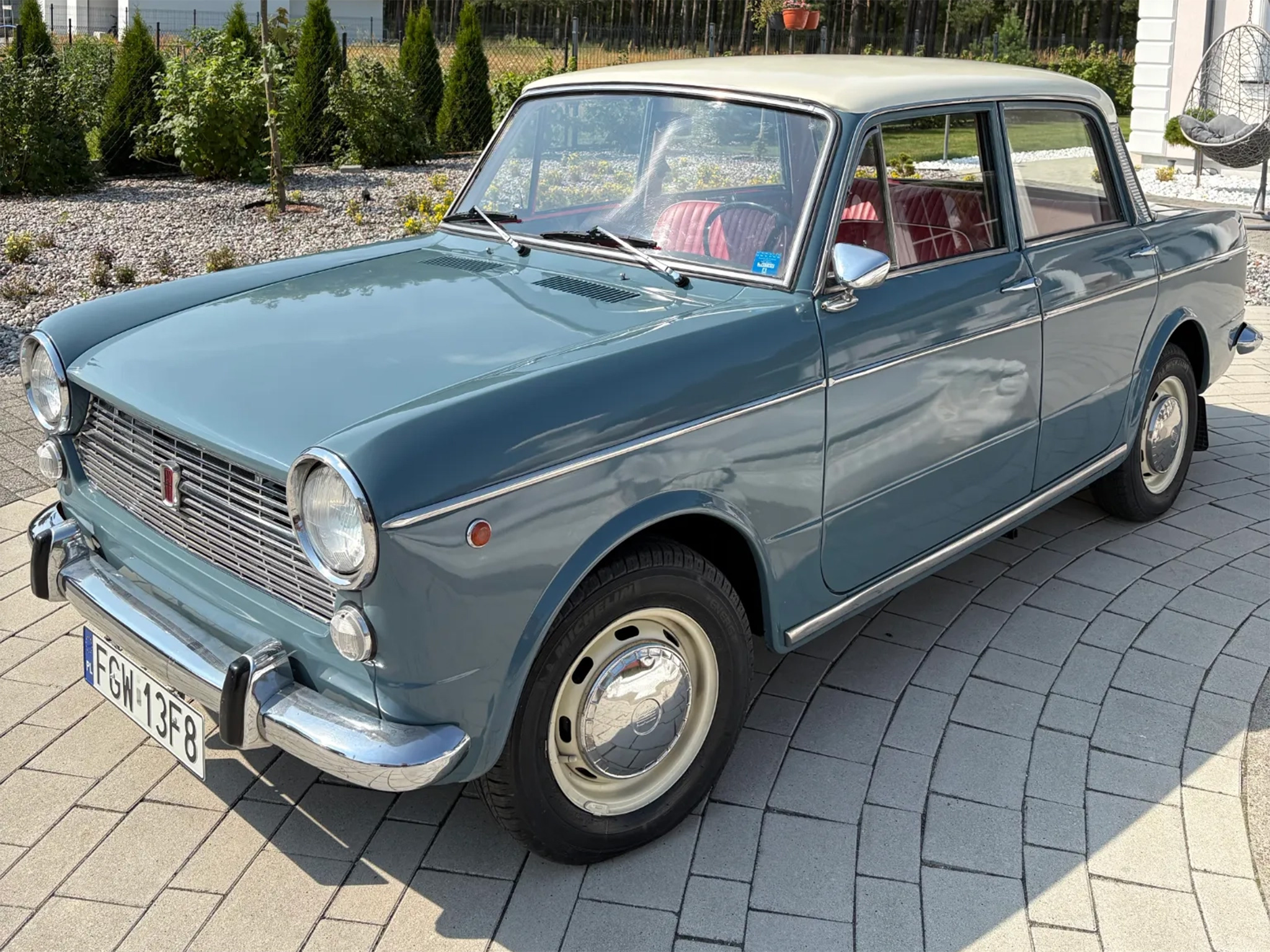
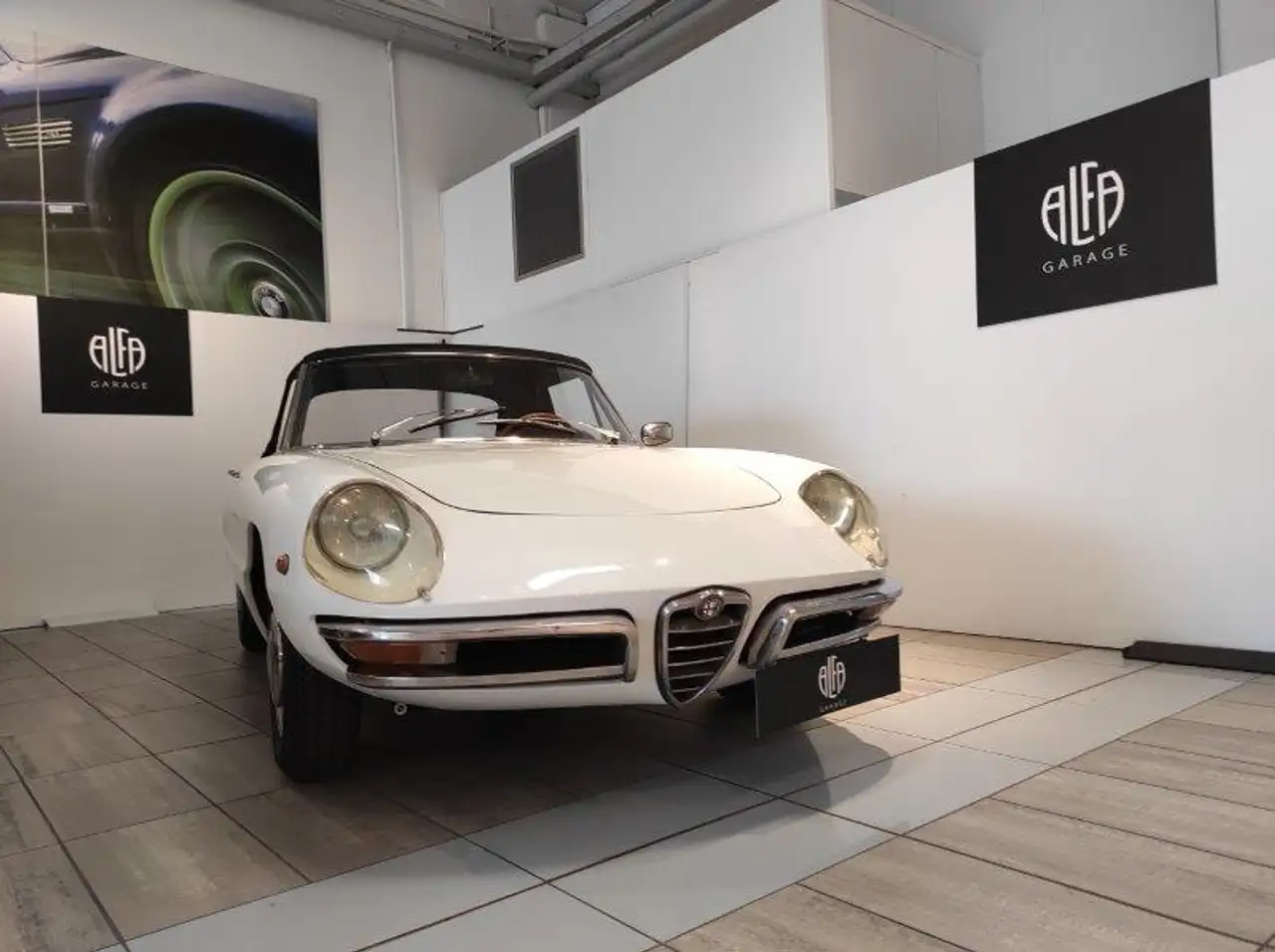
Search thousands of classic and collector cars for sale across Europe. We aggregate listings from AutoScout24, Mobile.de, Classic Driver, and 30+ other marketplaces so you can search in one place.
Browse by make, model, year, or country. Whether you're looking for a Porsche 911, an Alfa Romeo Spider, or a Mercedes W113, find it here - then compare prices and contact sellers directly.
The Decade European Cars Became Art
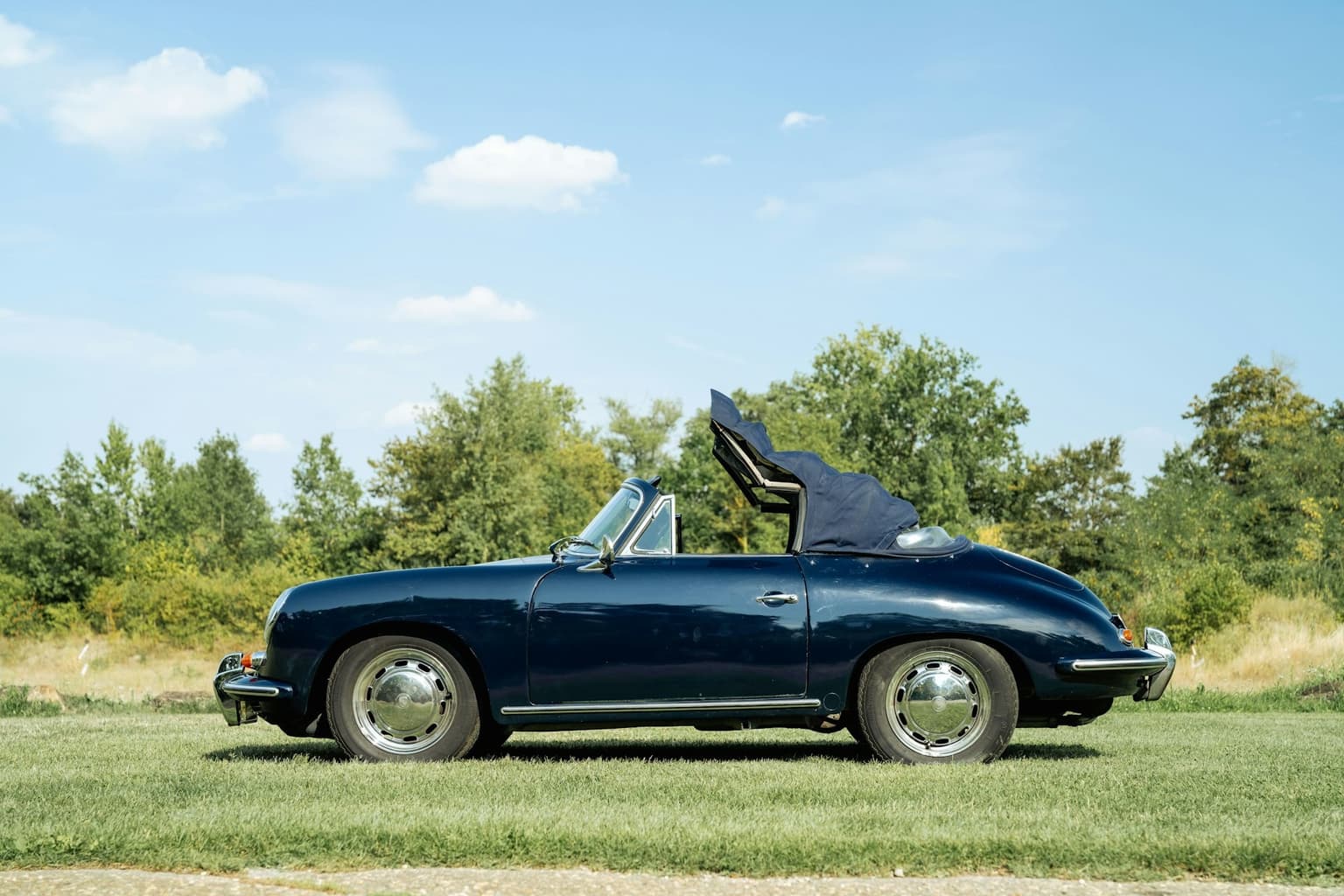
No decade in automotive history produced more genuinely significant cars than the 1960s. This was the moment European manufacturers stopped treating the automobile as a purely functional object and started treating it as a canvas - for engineering ambition, for national pride, for pure aesthetic expression. The results still define what "classic car" means to most collectors today.
What defined the decade. The 1960s inherited post-war austerity and transformed it into confidence. Design houses - Pininfarina, Bertone, Zagato - became genuine authors, with named designers (Giorgetto Giugiaro chief among them) achieving a level of recognition previously reserved for architects. Motorsport success translated directly into road cars with a purity that later decades, burdened by emissions and safety regulation, could never quite replicate. And in 1968, BMW's 2002 quietly invented an entire category - the sports sedan - that every performance saloon since has descended from.
The icons. The Jaguar E-Type (1961) remains, by Enzo Ferrari's own famous assessment, the most beautiful car ever made - a claim that six decades of subsequent design has failed to seriously challenge. The Porsche 911 (1963) established an architecture so fundamentally sound that Porsche has never abandoned it. The Alfa Romeo Duetto (1966), immortalised a year later in "The Graduate," brought Pininfarina's flowing organic design language to a car that ordinary enthusiasts could actually aspire to own. The Lamborghini Miura redefined what a supercar could look like. And the Mini Cooper S proved that giant-killing performance could come from the smallest possible package.
The investment landscape. Cars from the 1960s occupy the upper tier of the classic car market, and for structural reasons that are unlikely to change. Fewer survive than from later decades - many were used hard, many were scrapped before their significance was recognised, and the ones that remain are,
Frequently Asked Questions
The Jaguar E-Type, launched in 1961, is widely considered the defining car of the decade - Enzo Ferrari famously called it the most beautiful car ever made. The Porsche 911 (1963) and Alfa Romeo Duetto (1966) are also frequently cited among the decade's most significant designs.
1960s cars combine three value drivers: scarcity (fewer survive than from later decades), cultural significance (they defined an era of design ambition), and mechanical purity (built before emissions and safety regulation began constraining engineering). Together, these factors place 1960s classics at the upper tier of the collector market.
Reliability depends heavily on maintenance history and the specific model. 1960s engineering is mechanically simple by modern standards, which makes cars easier to diagnose and repair, but parts for the rarest models can be scarce and specialist labour costs are typically higher than for later decades.