Search thousands of classic and collector cars for sale across Europe. We aggregate listings from AutoScout24, Mobile.de, Classic Driver, and 30+ other marketplaces so you can search in one place.
Browse by make, model, year, or country. Whether you're looking for a Porsche 911, an Alfa Romeo Spider, or a Mercedes W113, find it here - then compare prices and contact sellers directly.
The Decade That Tested - and Toughened - the Classic Car
The 1970s should have been the decade that killed automotive romance. Two oil crises, the arrival of serious emissions regulation, and mounting safety mandates threatened to reduce the car to a compromised, defanged appliance. Instead, European manufacturers responded with some of the most characterful, most technically audacious cars ever built - as if determined to prove that engineering ambition could survive anything.
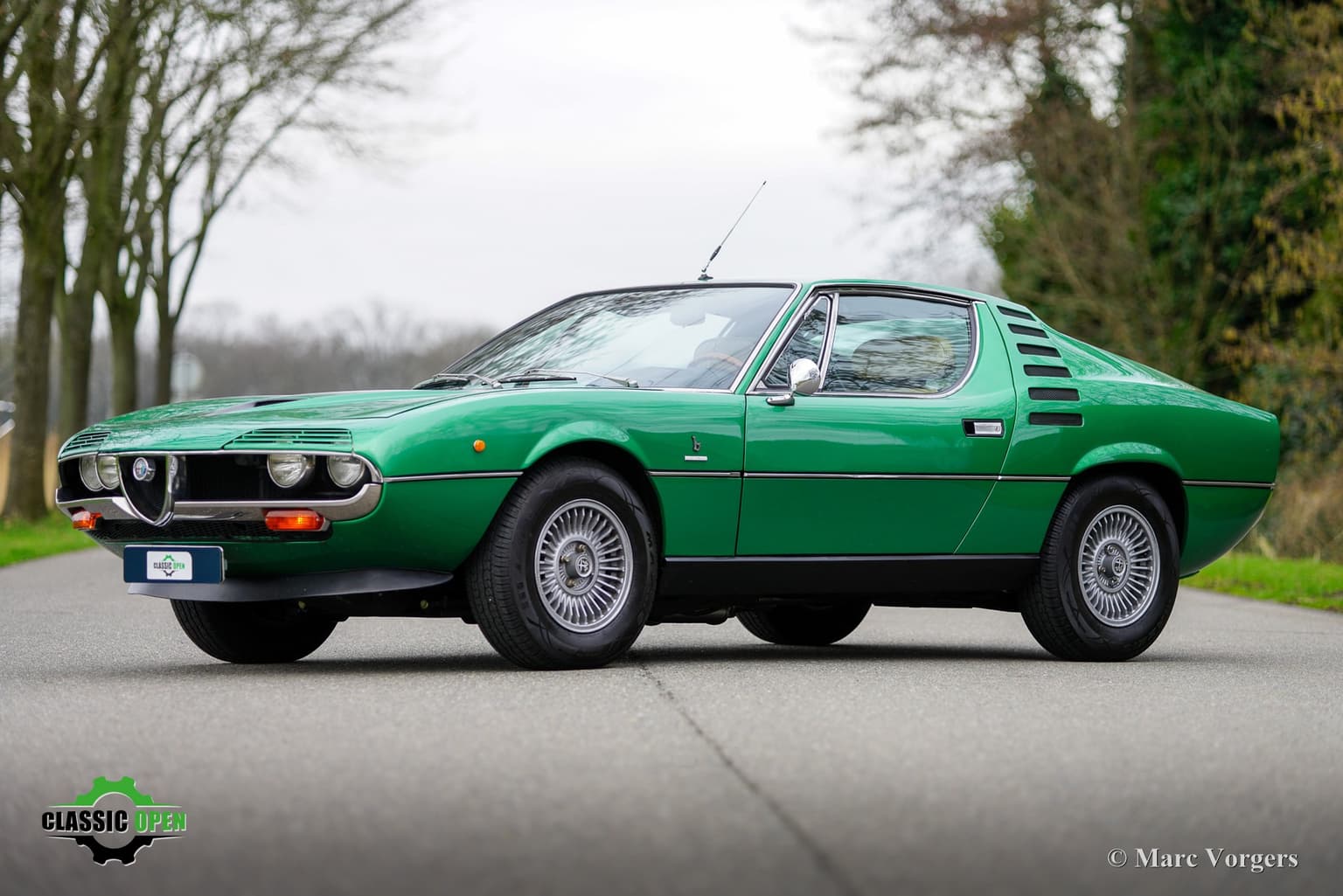
What defined the decade. Turbocharging arrived in earnest: the Porsche 911 Turbo (930) launched in 1975 and, almost single-handedly, defined what a turbocharged road car should feel like - dramatic, demanding, and unforgettable. Wedge-shaped design, pioneered by Marcello Gandini at Bertone, produced some of the most visually radical cars in history, from the Lamborghini Countach to the Lotus Esprit. Rally homologation specials proliferated as manufacturers discovered that motorsport success sold road cars. And the decade split cleanly at 1973: pre-oil-crisis cars retained the unregulated engineering purity of the 1960s, while post-1973 models increasingly show the compromises - lower compression, added weight, emissions equipment - that defined the rest of the decade.
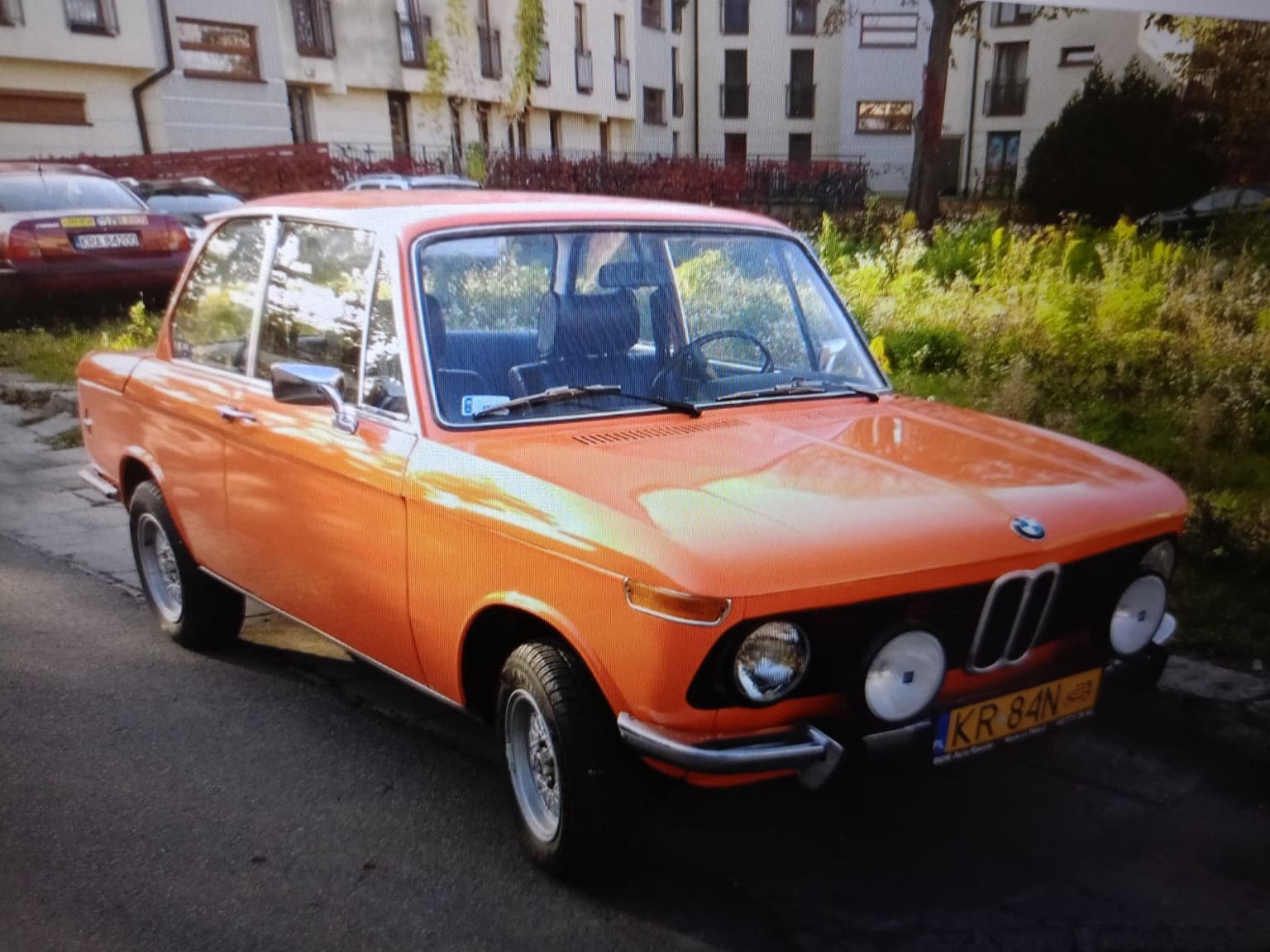
The icons. The Porsche 911 Turbo (930) earned its "Widowmaker" reputation and its collector premium in equal measure. The BMW 2002 Turbo brought forced induction to the sports sedan formula. The Lancia Stratos, purpose-built for rallying with a Ferrari Dino V6, remains one of the most focused and valuable competition-derived road cars ever produced. The Ferrari 308 GTB made mid-engine Ferrari ownership genuinely attainable for the first time. And the original Volkswagen Golf GTI (1976) quietly invented the hot hatchback - a category that would define affordable performance motoring for the next four decades.
The investment landscape. The 1970s rewards a different kind of collector instinct than the 1960s: survivor premiums matter enormously here, because so many ordinary 1970s cars were simply used up and scrapped,
Frequently Asked Questions
The 1970s is defined by a split at the 1973 oil crisis: pre-1973 cars retain 1960s-style engineering purity, while post-1973 models increasingly show emissions and safety-regulation compromises. The decade also introduced mainstream turbocharging (Porsche 930, 1975) and wedge-shaped design.
European-specification cars from the 1970s generally retain higher compression ratios and less restrictive emissions equipment than US-market equivalents, making them mechanically more desirable. This gap in desirability, and therefore value, has become more pronounced over the past decade.
Turbocharged and rally-homologation models have led the decade's appreciation - the Porsche 911 Turbo (930) and Lancia Stratos are prime examples. However, well-preserved examples of more ordinary 1970s family cars are an emerging value category, precisely because so few survived everyday use.