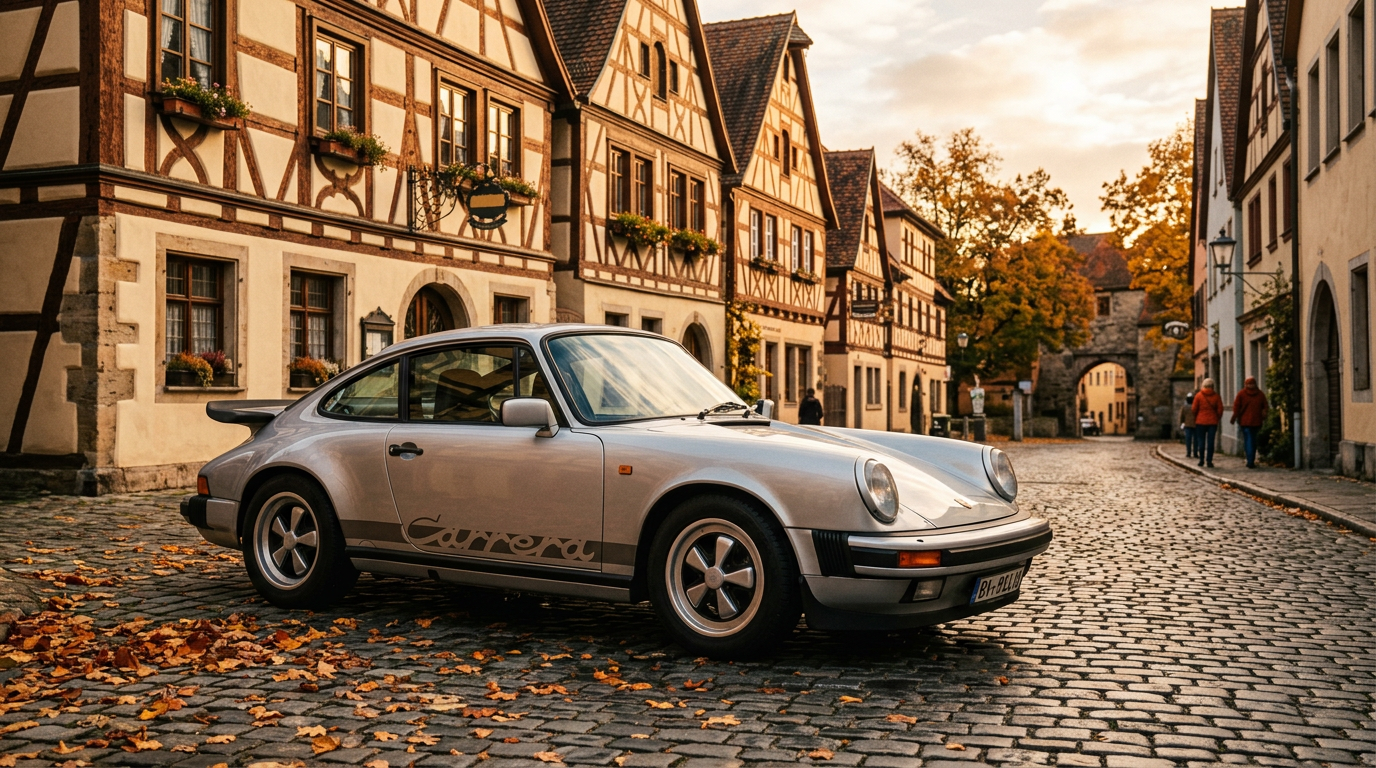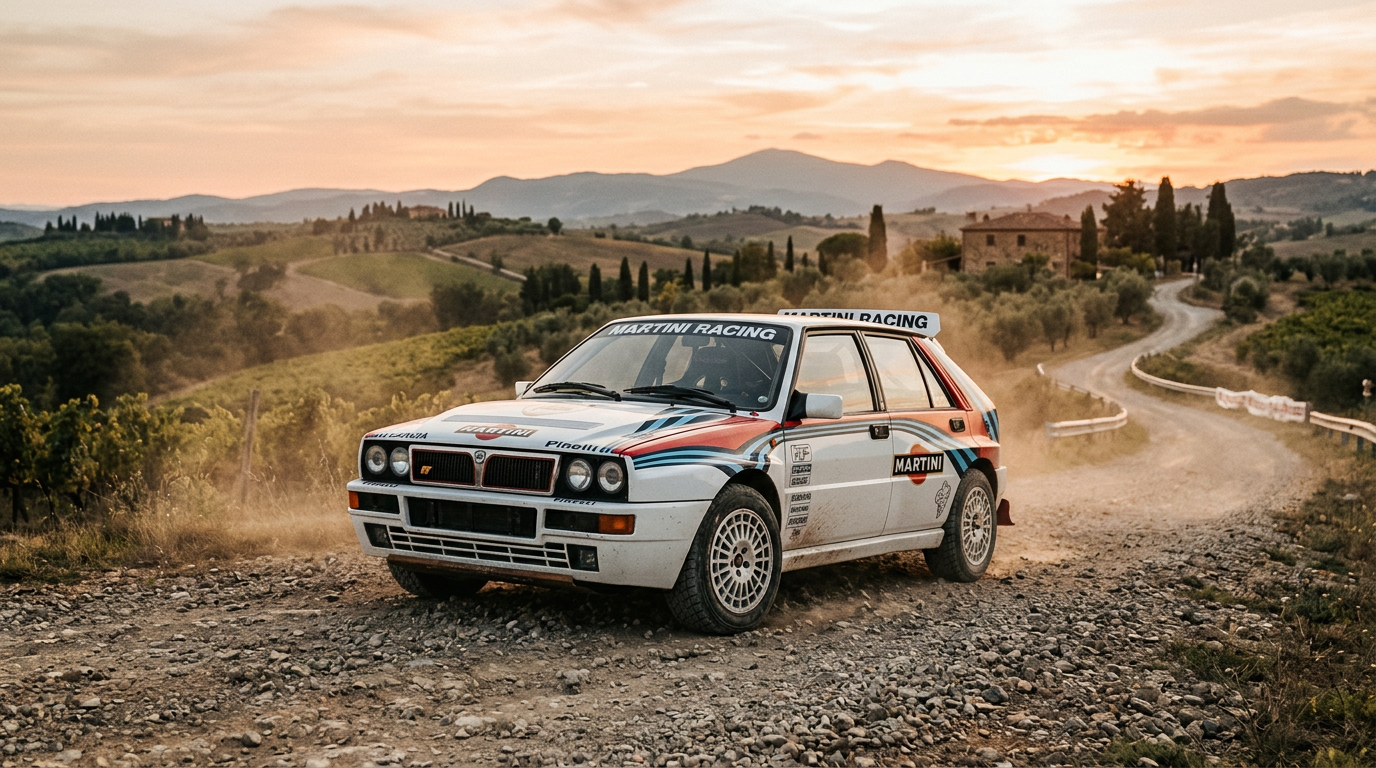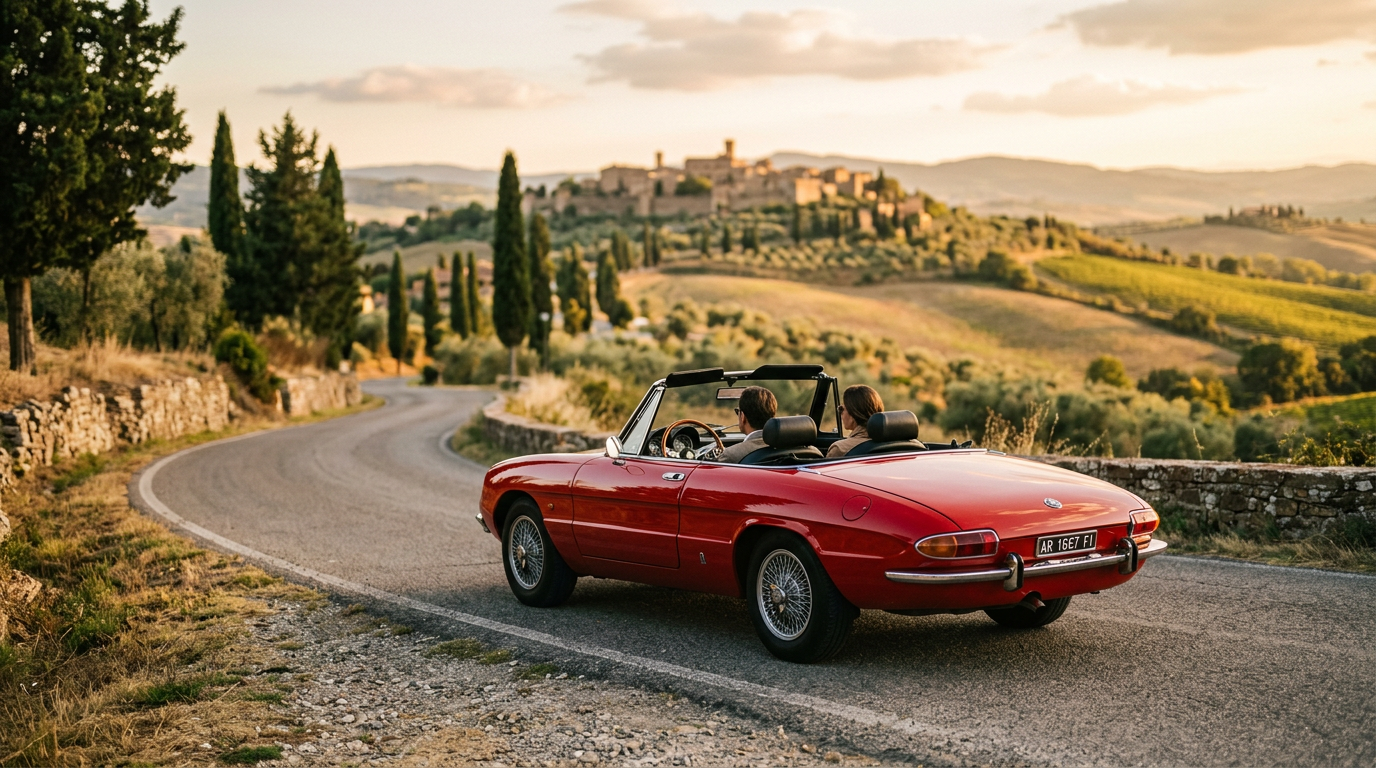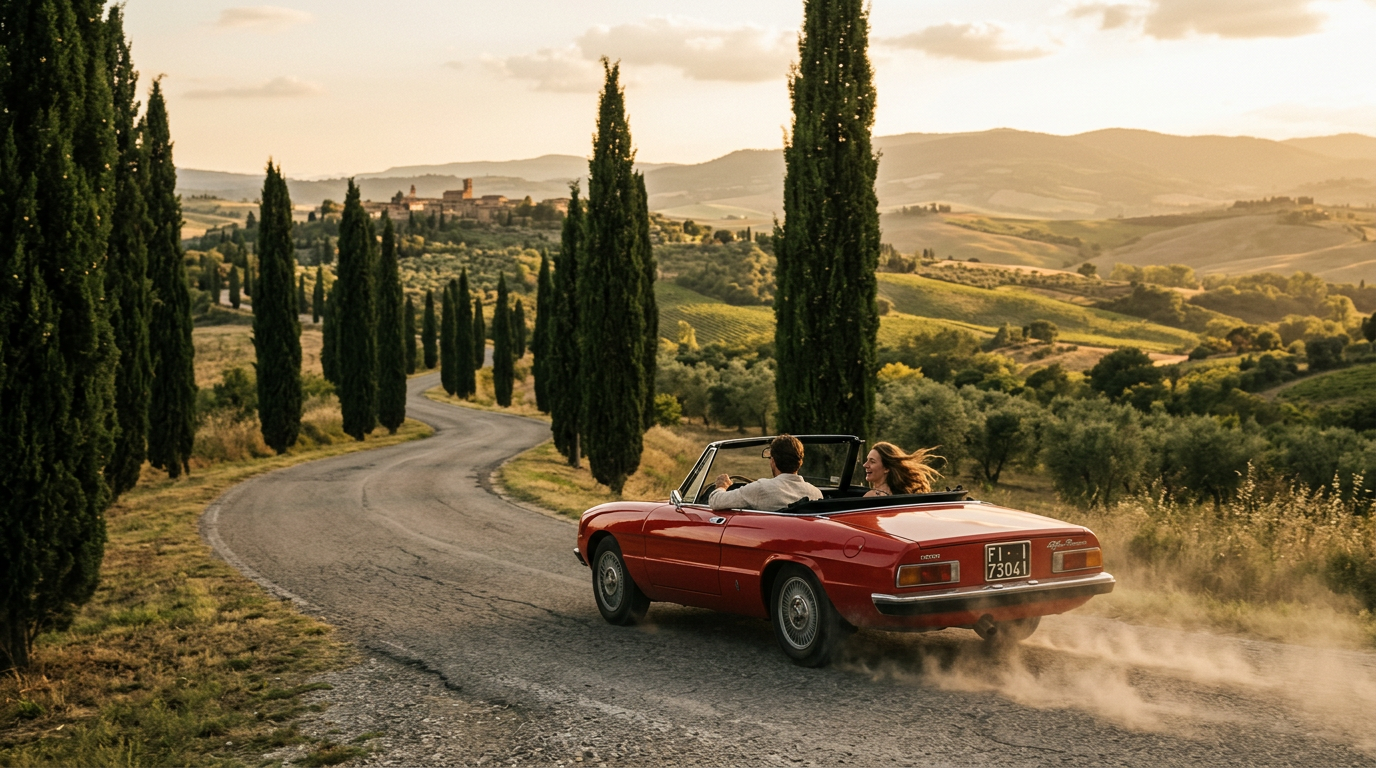
Italien ist der Ort, an dem die Autos leben. Nicht nur italienische Klassiker - obwohl die Konzentration von Alfa Romeos, Lancias, Fiats und Ferraris natürlich höher ist als anderswo - sondern europäische Klassiker jeder Nationalität, die Jahrzehnte in dem freundlichen, trockenen Mittelmeerklima verbracht haben, das Nordeuropa nicht bieten kann. Ein Mercedes W113, der vierzig Jahre in Mailand verbracht hat, wird strukturell solider sein als einer, der die gleiche Zeit in Hamburg verbracht hat. Ein Fiat 124 Spider aus Sizilien mag zwar einen von der Sonne beschädigten Lack und ein zerbrochenes Armaturenbrett haben, aber es ist viel wahrscheinlicher, dass er eine solide Bodenwanne hat.
Das ist der italienische Vorteil, der Käufer aus dem ganzen Kontinent anlockt. Der Prozess des Autokaufs in Italien und der Überführung nach Hause - nach Deutschland, ins Vereinigte Königreich, nach Polen, in die Niederlande oder sonstwohin in Europa - ist nicht kompliziert, aber er erfordert Aufmerksamkeit für Details. Die italienische Bürokratie hat ihren eigenen Rhythmus, und wer sie im Voraus versteht, spart Zeit, Frustration und Geld.
Dieser Leitfaden deckt jeden Schritt ab: wo man Oldtimer in Italien findet, wie der Kaufprozess abläuft, Abmeldung und Ausfuhr, Transportmöglichkeiten, Steuern und Abgaben und die praktischen Tipps, die den Unterschied zwischen einer reibungslosen Transaktion und einer italienischen Oper ausmachen.
Suche nach italienischen Oldtimern auf Carseto →
Der italienische Vorteil - und seine Grenzen
Warum Italien
Oldtimer zum Verkauf in Italien durchsuchen
Durchsuchen Sie Tausende von Oldtimer-Angeboten in ganz Italien - von Piemont bis Sizilien. Vergleichen Sie Preise und finden Sie gut erhaltene Exemplare aus dem milden Klima.
Klima. Mittel- und Süditalien - Toskana, Umbrien, Latium, Kampanien, Sizilien - bieten warme, trockene Bedingungen, die die strukturelle Korrosion drastisch reduzieren. Autos, die in Garagen in diesen Regionen gelagert werden, können Jahrzehnte mit minimalem Rost überleben. Dies ist der Hauptgrund, warum sich Käufer aus Nordeuropa für den Süden entscheiden.
Angebot. Italien hat einen großen und vielfältigen Oldtimermarkt. Das Land hat einige der großartigsten Automobildesigns der Geschichte hervorgebracht - und viele dieser Autos bleiben in Italien, in privaten Garagen, in Sammlungen und in den Händen von Liebhabern, die sie seit Jahrzehnten pflegen.
Restaurierungskosten. Italien bietet einige der niedrigsten Restaurierungskosten in Europa. Nach Angaben der FIVA belaufen sich die durchschnittlichen Restaurierungskosten in Italien auf ca. 1.188 € pro Eingriff, während sie in Ländern wie Luxemburg über 4.000 € betragen. Die italienische Handwerkstradition - geschickte Plattenschläger, Lederarbeiter, Maler - bringt hochwertige Arbeiten zu Preisen hervor, die nordeuropäische Käufer überraschen.
Kulturelle Herkunft. Für italienische Marken - Alfa Romeo, Lancia, Ferrari, Maserati, Fiat - sind Autos, die in Italien ausgeliefert wurden, von besonderem Wert. Ein Auto mit italienischen Zulassungspapieren von Anfang an, das von italienischen Spezialisten gewartet wurde, hat eine Geschichte, die bei Sammlern Anklang findet.
Die Grenzen
Sonnenschäden. Die italienische Sonne ist freundlich zu Metallteilen und unfreundlich zu allem anderen. Der Lack verblasst. Armaturenbretter bekommen Risse. Gummidichtungen gehen kaputt. Verdecke verrotten. Innenräume bleichen aus. Ein rostfreies italienisches Auto kann erhebliche kosmetische Arbeiten benötigen - und kosmetische Arbeiten sind nicht billig.
Dokumentation. Die italienische Fahrzeugdokumentation kann weniger umfassend sein als die deutsche oder britische. Serviceheftstempel können fehlen. Die Wartungsaufzeichnungen können informell sein. Der angegebene Kilometerstand ist möglicherweise nicht überprüfbar. Wenden Sie die gleiche Sorgfalt an, die Sie auf jedem anderen Markt anwenden würden.
Kommunikation. Englisch wird im italienischen Oldtimerhandel nicht überall gesprochen - vor allem nicht von privaten Verkäufern außerhalb der großen Städte. Grundlegende Italienischkenntnisse, eine Übersetzungs-App oder ein italienischsprachiger Vermittler werden den Prozess erheblich vereinfachen.
Das richtige Auto finden
Online-Marktplätze
Subito.it ist Italiens größte Plattform für Kleinanzeigen - das italienische Pendant zu Gumtree oder Kleinanzeigen. Die Rubrik "Auto" enthält eine große Auswahl an Oldtimern von privaten Verkäufern aus dem ganzen Land. Die Inserate sind auf Italienisch. Zu den Filtern gehören Region, Preis, Baujahr und Kraftstoffart.
AutoScout24.it bietet strukturierte Inserate mit einer besseren Suchfunktion als Subito. Es werden sowohl private als auch Händlerangebote angezeigt. Die Schnittstelle ist für einige Funktionen in Englisch verfügbar.
Classic Driver unterhält eine italienische Händlerpräsenz mit englischsprachigen Inseraten. Teurer, aber besser strukturiert.
Carseto fasst italienische Angebote mit Autos aus 46 anderen europäischen Ländern zusammen und bietet einen grenzüberschreitenden Preiskontext, der Ihnen hilft zu beurteilen, ob ein italienisches Auto im Vergleich zu seinem Äquivalent in Deutschland, Großbritannien oder Polen wirklich günstig ist.
Spezialisierte Händler
Italienische Fachhändler sind in der Regel in den Regionen angesiedelt, die traditionell mit ihren Marken verbunden sind. Alfa Romeo- und Lancia-Spezialisten konzentrieren sich im Piemont und in der Lombardei. Ferrari- und Maserati-Spezialisten konzentrieren sich auf die Emilia-Romagna (Maranello, Modena). Fiat-Spezialisten sind im Piemont und in Kampanien tätig.
Italienische Händler sind in der Regel sehr sachkundig und begeistern sich für ihre Marken. Die Preise sind in der Regel verhandelbar - mehr als in Deutschland. Händler, die mit ausländischen Käufern vertraut sind, können oft bei den Exportpapieren helfen.
Auktionen
Aste Bolaffi (mit Sitz in Turin) ist Italiens führendes Auktionshaus für Oldtimer. RM Sotheby's und Bonhams führen regelmäßig Auktionen in Italien durch (Comer See, Mailand). Artcurial ist zunehmend auf dem italienischen Markt aktiv.
Das persönliche Netzwerk
Die italienische Oldtimerszene ist stark von persönlichen Beziehungen geprägt. Clubnetzwerke (Automotoclub Storico Italiano - ASI, Registro Italiano Alfa Romeo - RIAR, Club Italia), lokale Liebhabergruppen und Mund-zu-Mund-Propaganda sind oft der Weg zu den besten Autos. Wenn Sie eine bestimmte italienische Marke kaufen möchten, kann Ihnen die Mitgliedschaft in einem entsprechenden Club - auch als ausländisches Mitglied - Türen zu Fahrzeugen öffnen, die nie in die öffentliche Werbung gelangen.
Durchsuchen Sie Oldtimer zum Verkauf in Italien auf Carseto →
Der Kaufprozess in Italien
Besichtigung und Inspektion
Vereinbaren Sie Besichtigungstermine direkt mit dem Verkäufer. Wenn Sie aus einem anderen Land anreisen, sollten Sie vor der Buchung von Flügen detaillierte Fotos - auch von der Unterseite - anfordern. Italienische Verkäufer sind in der Regel kulant und freuen sich über zusätzliche Informationen, auch wenn die Reaktionszeiten mitunter kürzer sind als in Deutschland oder dem Vereinigten Königreich.
Bei Fahrzeugen mit einem Wert von über 20.000 € sollten Sie eine Inspektion vor dem Kauf in Erwägung ziehen. Italienische Oldtimerclubs können manchmal Inspektoren empfehlen, und mehrere europaweite Inspektionsdienste sind in Italien tätig.
Verhandlung
Italienische Verkäufer erwarten, dass verhandelt wird. Ein Eröffnungsangebot von 10-15 % unter der Preisvorstellung ist üblich und wird keinen Anstoß erregen. Die Verhandlungskultur ist persönlich und gesprächig - nicht konfrontativ. Wenn Sie sich nicht auf einen Preis einigen können, ist ein höfliches "ci penso" (ich werde darüber nachdenken) durchaus akzeptabel.
Bezahlung
Banküberweisung ist Standard. Bei hohen Beträgen sollten Sie einen notariellen Kaufvertrag (atto di vendita) in Erwägung ziehen. Barzahlungen über 5.000 € sind nach den italienischen Vorschriften zur Bekämpfung der Geldwäsche verboten.
Dokumentation
Die italienischen Fahrzeugpapiere bestehen aus zwei Dokumenten:
- Carta di circolazione (libretto): Die Zulassungsbescheinigung, die im Fahrzeug mitgeführt wird.
- Certificato di proprieta (CDP): Die Eigentumsbescheinigung, die von der PRA (Pubblico Registro Automobilistico) ausgestellt wird. Sie muss beim Verkauf übertragen werden.
Bei einem Exportverkauf wickelt der Verkäufer die Übertragung beim örtlichen Büro des ACI (Automobile Club d'Italia) ab. Dies kann mehrere Tage dauern - die italienische Bürokratie arbeitet in ihrem eigenen Tempo. Planen Sie entsprechend.
Abmeldung und Ausfuhr
Radiazione per Esportazione
Um ein Fahrzeug aus Italien auszuführen, muss es bei der örtlichen Motorizzazione (Kraftfahrzeugamt) oder ACI zur Ausfuhr abgemeldet werden (radiazione per esportazione). Das Verfahren erfordert:
- Die carta di circolazione
- Die certificato di proprieta
- Die Nummernschilder (die an die Motorizzazione zurückgegeben werden)
- Zahlung der anfallenden Gebühren (ca. 50 bis 100 €)
In der Regel leitet der Verkäufer diesen Prozess ein, aber als Käufer sollten Sie sich vor der Überführung vergewissern, dass er abgeschlossen ist. Ein nicht abgemeldetes Fahrzeug kann in einem anderen Land nicht legal zugelassen werden.
Vorläufige Ausfuhrkennzeichen
Wenn Sie das Auto nicht transportieren, sondern nach Hause fahren möchten, sind italienische vorläufige Ausfuhrkennzeichen (targhe provvisorie per esportazione) erhältlich. Diese sind erforderlich:
- Eine gültige Versicherung (erhältlich bei italienischen Anbietern für kurzfristige Nutzung)
- Die radiazione-Dokumentation
- Ihren Ausweis
Kurzzeitkennzeichen sind für einen begrenzten Zeitraum gültig (in der Regel 60 Tage) und ermöglichen es Ihnen, das Auto legal durch Italien und - in den meisten Fällen - über andere EU-Mitgliedstaaten in Ihr Heimatland zu fahren. Überprüfen Sie vor der Abreise den Versicherungsschutz für Transitländer.
Transport-Optionen
Vergleichen Sie die italienischen Preise mit Ihrem Heimatmarkt
Sehen Sie sich dasselbe Auto in Italien, Deutschland und Großbritannien nebeneinander an. Carseto bündelt Angebote aus ganz Europa, damit Sie das beste Angebot finden können.
Für Autos, die nicht straßentauglich sind, die zu wertvoll sind, um lange Strecken zu fahren, oder wenn Sie die Sicherheit eines geschlossenen Transports bevorzugen:
- Gemeinsamer offener Anhänger: 600 € bis 1.200 € von Nord-/Mittelitalien nach Deutschland, in die Niederlande oder nach Polen.
- Geschlossener Einzelwagen-Transport: 1.200 € bis 2.500 € für dieselben Strecken.
- Abholservice: 800 € bis 1.500 €, mit einem professionellen Fahrer, der das Auto an Ihre Adresse liefert.
Zu den italienischen Transportunternehmen, die im Oldtimersektor tätig sind, gehören Corrado Trasporti, Ship My Car (europaweit) und verschiedene Anbieter, die über das ASI-Clubnetz zu finden sind. Buchen Sie im Frühjahr und Sommer im Voraus - die Saison für den Kauf von Oldtimern erreicht ihren Höhepunkt zwischen März und September.
Steuern, Zölle und Zulassung
Innergemeinschaftliche Überführung
Für Käufer innerhalb der EU ist die Einfuhr eines Oldtimers aus Italien eine zollfreie Transaktion. Es fallen keine Einfuhrzölle an. Die Behandlung der Mehrwertsteuer hängt vom Verkäufer ab:
- Privatverkauf: Es wird keine Mehrwertsteuer erhoben. Melden Sie das Fahrzeug in Ihrem Heimatland an und zahlen Sie die örtlichen Zulassungssteuern.
- Händler (Differenzbesteuerung): Die italienische Mehrwertsteuer ist in der Marge enthalten. Im Ausland wird keine weitere Mehrwertsteuer fällig.
- Händler (Standardregelung): Der Händler kann für Lieferungen innerhalb der EU den Nullsatz anwenden. Sie zahlen die Mehrwertsteuer in Ihrem Heimatland.
UK-Käufer (Post-Brexit)
Für die Einfuhr aus Italien in das Vereinigte Königreich ist jetzt eine Zollabfertigung erforderlich. Es gilt ein Einfuhrzoll von 6,5 % (für Fahrzeuge, die älter als 50 Jahre sind, können ermäßigte Sätze gelten). Die britische Mehrwertsteuer (20 %) wird auf den deklarierten Wert plus Zoll erhoben. Kalkulieren Sie diese Kosten in Ihr Gesamtbudget ein - sie können den Kaufpreis um 25-28 % erhöhen.
Zulassung in Ihrem Heimatland
Jedes Land hat spezifische Anforderungen. In Deutschland ist vor der Zulassung eine TÜV-Prüfung erforderlich. In Polen sind eine technische Inspektion (przeglad techniczny) und eine Verbrauchssteuer (akcyza) erforderlich. In den Niederlanden ist eine RDW-Prüfung erforderlich. Bringen Sie in jedem Fall die italienischen Abmeldedokumente, den Kaufvertrag und Ihren Ausweis mit.
Praktische Tipps
Finden Sie Ihren italienischen Klassiker auf Carseto
Alfa Romeo, Lancia, Fiat, Ferrari, Maserati - und alles andere, was die italienische Sonne konserviert hat. Ihr nächstes Auto könnte in der Toskana geparkt sein.
Sprache. Lernen Sie ein paar wichtige Sätze: "Posso vedere la macchina?" (Kann ich das Auto sehen?), "Ci sono problemi noti?" (Gibt es bekannte Probleme?), "Il prezzo e trattabile?" (Ist der Preis verhandelbar?), "Ha la documentazione di manutenzione?" (Haben Sie Wartungsunterlagen?). Italienische Verkäufer freuen sich über jede Mühe mit der Sprache.
Timing. Italienische Verkäufer sind während der Geschäftszeiten (9:00-13:00, 15:00-19:00) eher ansprechbar. August ist Ferienzeit - viele Händler und Privatverkäufer sind den ganzen Monat über nicht erreichbar. Planen Sie Käufe für das Frühjahr oder den Frühsommer.
Der Pranzo-Faktor. Italien macht mittags zu. Erwarten Sie zwischen 13:00 und 15:00 Uhr keine Antworten auf Anrufe, Nachrichten oder E-Mails. Das ist keine Unhöflichkeit. Es ist Zivilisation.
Untersuchen Sie die Unterseite. Der italienische Vorteil ist die geringere Korrosion - aber "gering" bedeutet nicht "nicht vorhanden" Autos, die in Küstennähe oder in Norditalien (Mailand, Turin) gelagert oder in den Wintermonaten benutzt wurden, können mehr Rost aufweisen als erwartet. Lassen Sie niemals die Unterbodeninspektion aus, auch nicht bei einem italienischen Auto.
Stellantis Heritage. Für Alfa Romeo-, Lancia- und Fiat-Klassiker bietet Stellantis Heritage (ehemals FCA Heritage) Herkunftszertifikate und ein "Reloaded by Creators"-Restaurierungsprogramm an. Ein Herkunftszertifikat bestätigt die ursprünglichen Werksspezifikationen des Fahrzeugs - ein wertvoller Nachweis für die Provenienzprüfung.
Häufig gestellte Fragen
Ist es billiger, einen Oldtimer in Italien zu kaufen? Für italienische Marken (Alfa Romeo, Lancia, Fiat) sind die Preise in Italien oft 10-20 % niedriger als im Vereinigten Königreich oder in Nordeuropa. Der klimatische Vorteil - weniger Rost - kann auch die Gesamtbetriebskosten senken, da teure strukturelle Reparaturen vermieden werden.
Gibt es bei italienischen Oldtimern weniger Rost? Im Allgemeinen ja - insbesondere Autos aus Mittel- und Süditalien. Allerdings bedeutet "weniger Rost" nicht "kein Rost" Norditalienische Autos (Mailand, Turin, die Poebene) haben kalte, feuchte Winter. Autos an der Küste leiden unter der salzhaltigen Luft. Prüfen Sie immer.
Wie lange dauert es, einen Oldtimer aus Italien zu importieren? Der Kauf und die Abmeldung können je nach den bürokratischen Abläufen in Italien 3-10 Tage dauern. Der Transport nach Nordeuropa dauert 3-7 Tage. Die Registrierung in Ihrem Heimatland dauert 1-4 Wochen.
Kann ich ein Auto in Italien kaufen, wenn ich kein Italienisch spreche? Ja, aber Grundkenntnisse der italienischen Sprache oder ein italienischsprachiger Vermittler sind sehr hilfreich. Spezialisierte Händler in Touristengebieten sprechen oft Englisch. Bei Privatverkäufen außerhalb der Großstädte ist eine sprachliche Unterstützung ratsam.
Welche Papiere benötige ich für die Einfuhr aus Italien? Die Dokumente der radiazione per esportazione (Bestätigung der italienischen Abmeldung), den Kaufvertrag (atto di vendita oder contratto di compravendita) und Ihren Ausweis. Einige Länder verlangen zusätzliche Unterlagen - informieren Sie sich vor Ihrer Abreise über die Zulassungsvorschriften Ihres Heimatlandes.
Die Reise lohnt sich
Der Kauf eines Oldtimers in Italien ist weder die schnellste noch die einfachste grenzüberschreitende Transaktion, die Sie tätigen können. Die Bürokratie hat ihre Tücken. Das Geschäftstempo ist sein eigenes. Die Schließung im August ist nicht verhandelbar.
Aber Italien bietet etwas, das kein anderer europäischer Markt in dieser Kombination bietet: vom Klima geschonte Autos, wettbewerbsfähige Preise, ein großes Angebot an den begehrtesten europäischen Marken und das Erlebnis, ein Auto in dem Land zu kaufen, in dem die Schönheit des Automobils erfunden wurde. Die Italiener haben diese Autos gebaut. Sie wissen, wie man sich um sie kümmert. Und für den Käufer, der bereit ist, sich auf den Prozess einzulassen, sind die Belohnungen die Mühe durchweg wert.
Suche nach Oldtimern zum Verkauf in Italien auf Carseto →
Lesen Sie weiter: Oldtimerkauf in Deutschland - Lancia Fulvia & Delta Kaufratgeber - Alfa Romeo Spider Kaufratgeber
Dieser Artikel ist Teil des Carseto Journals - Markteinblicke und Geschichten aus der Welt europäischer Klassiker.