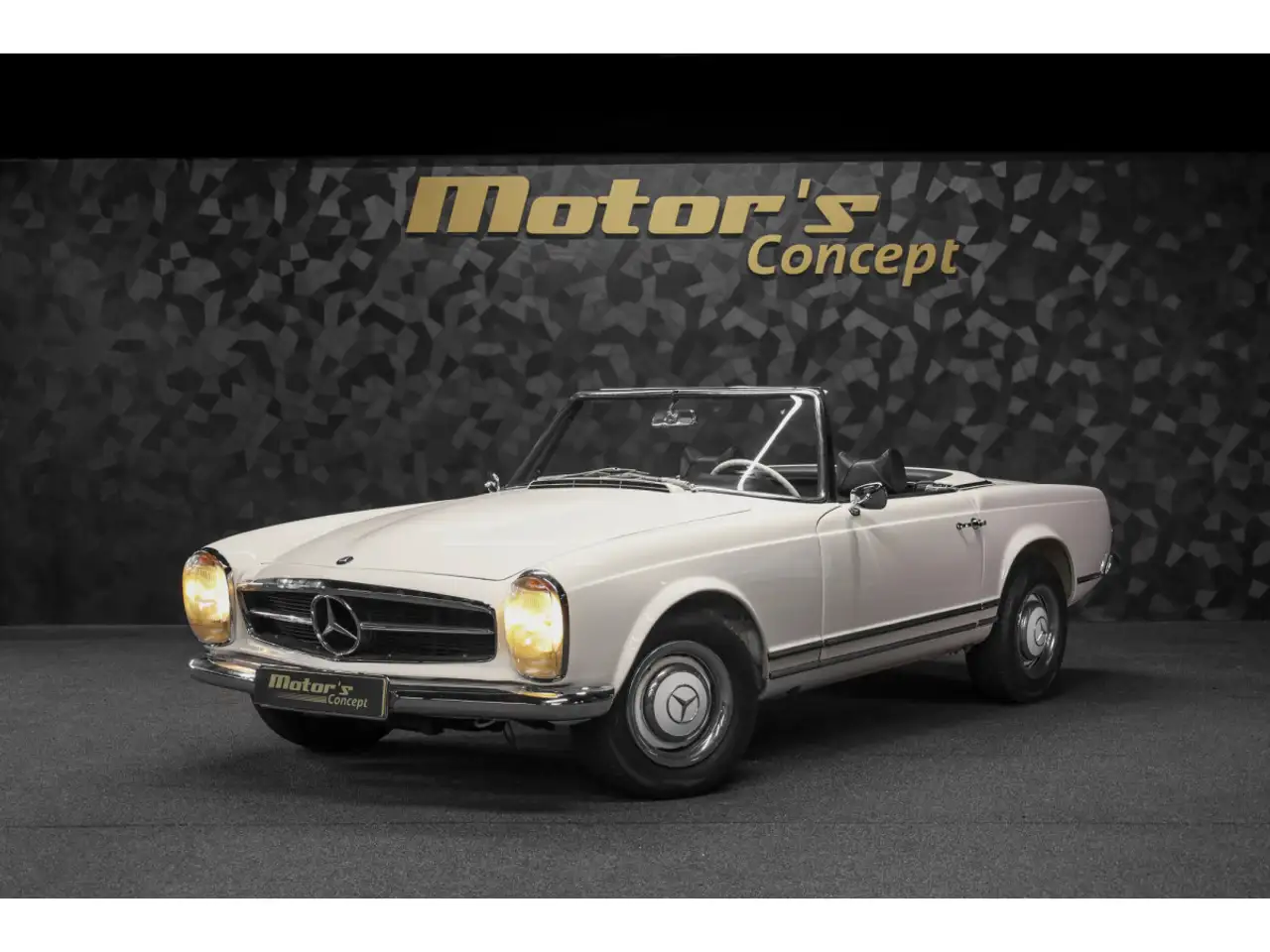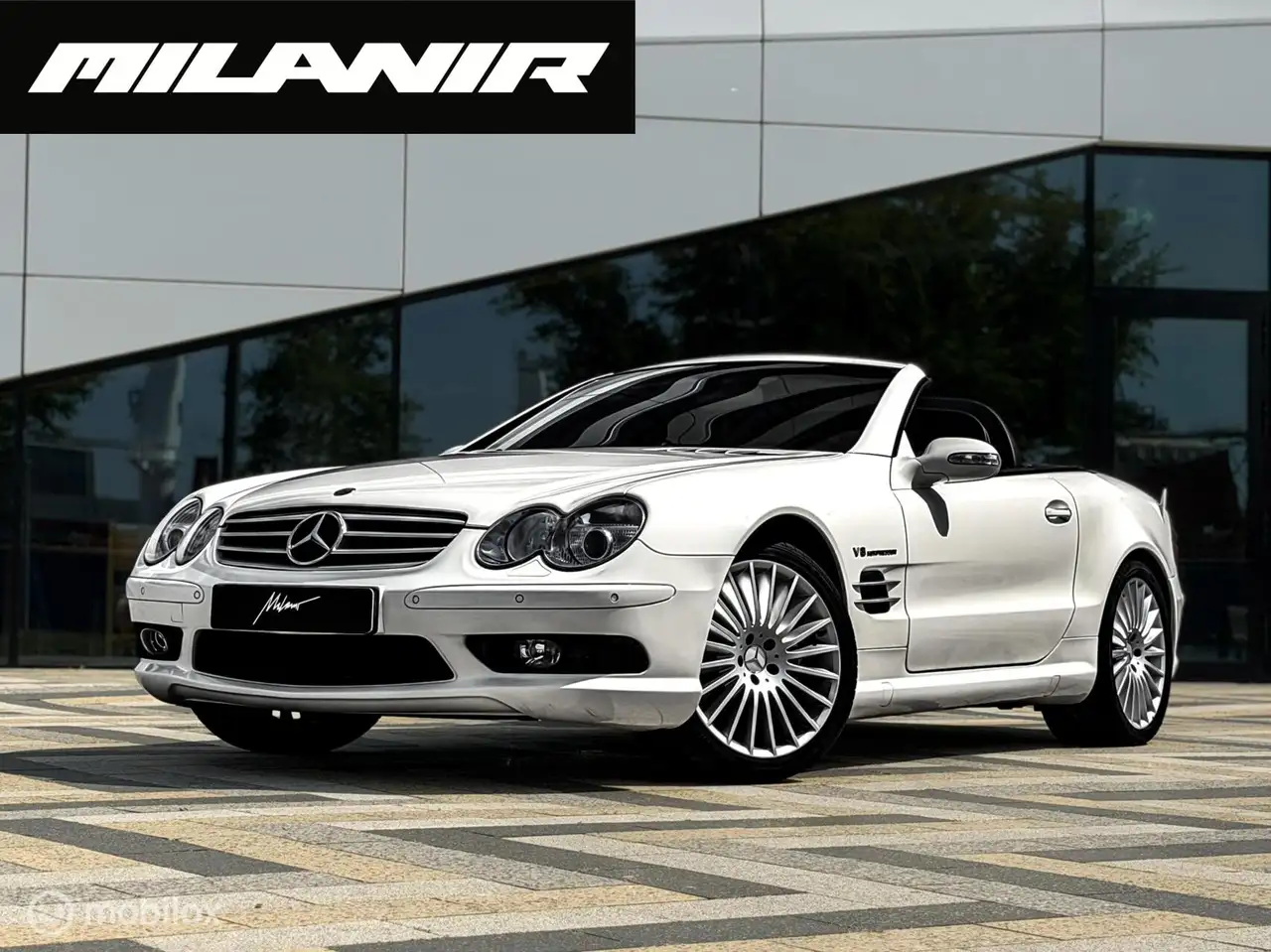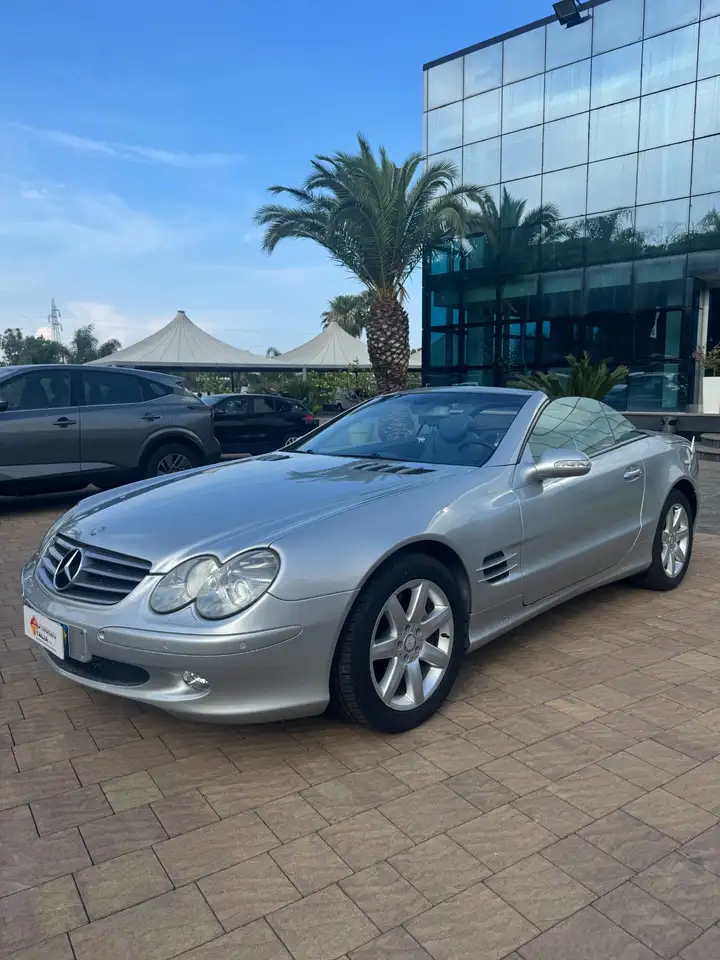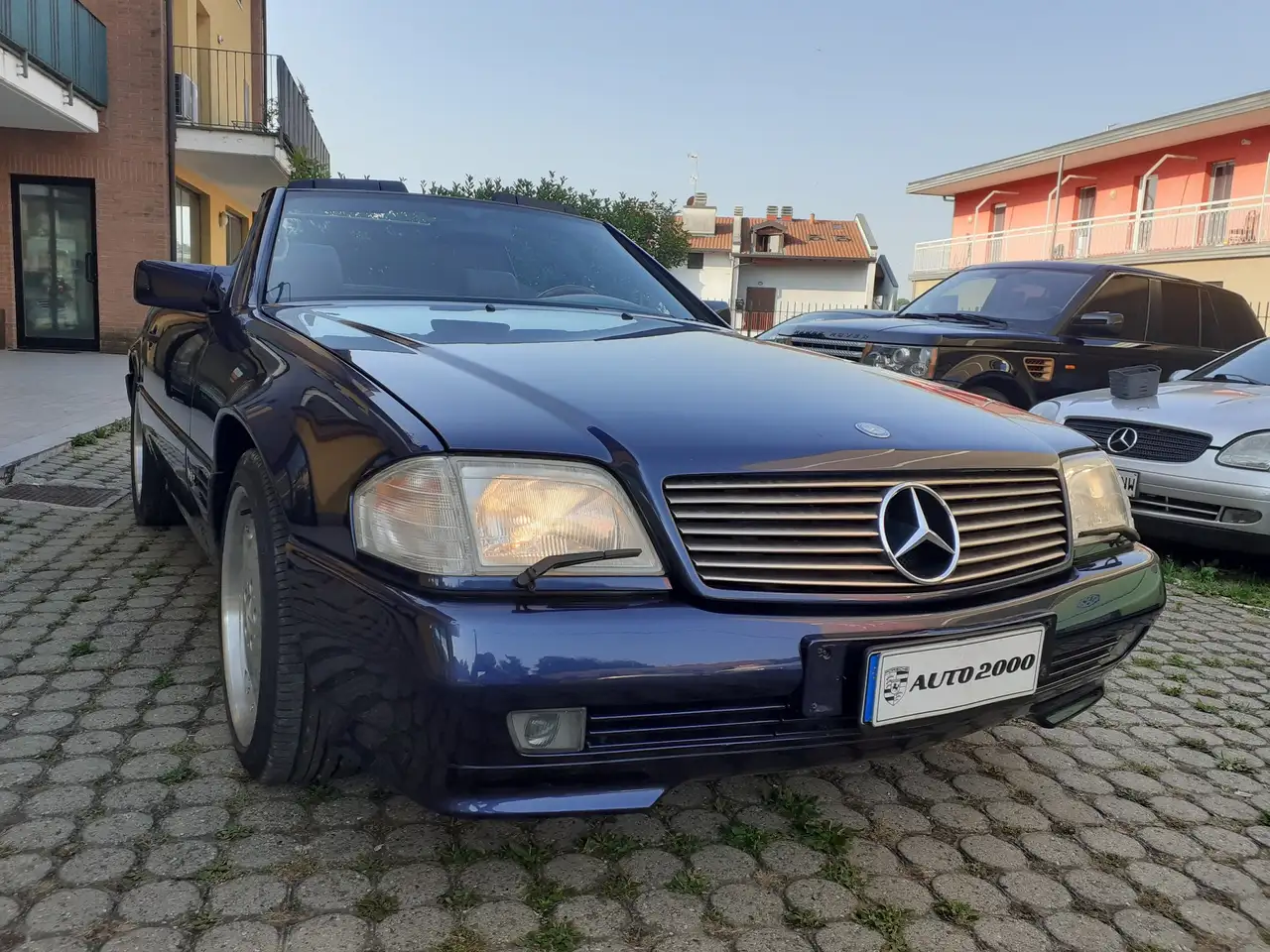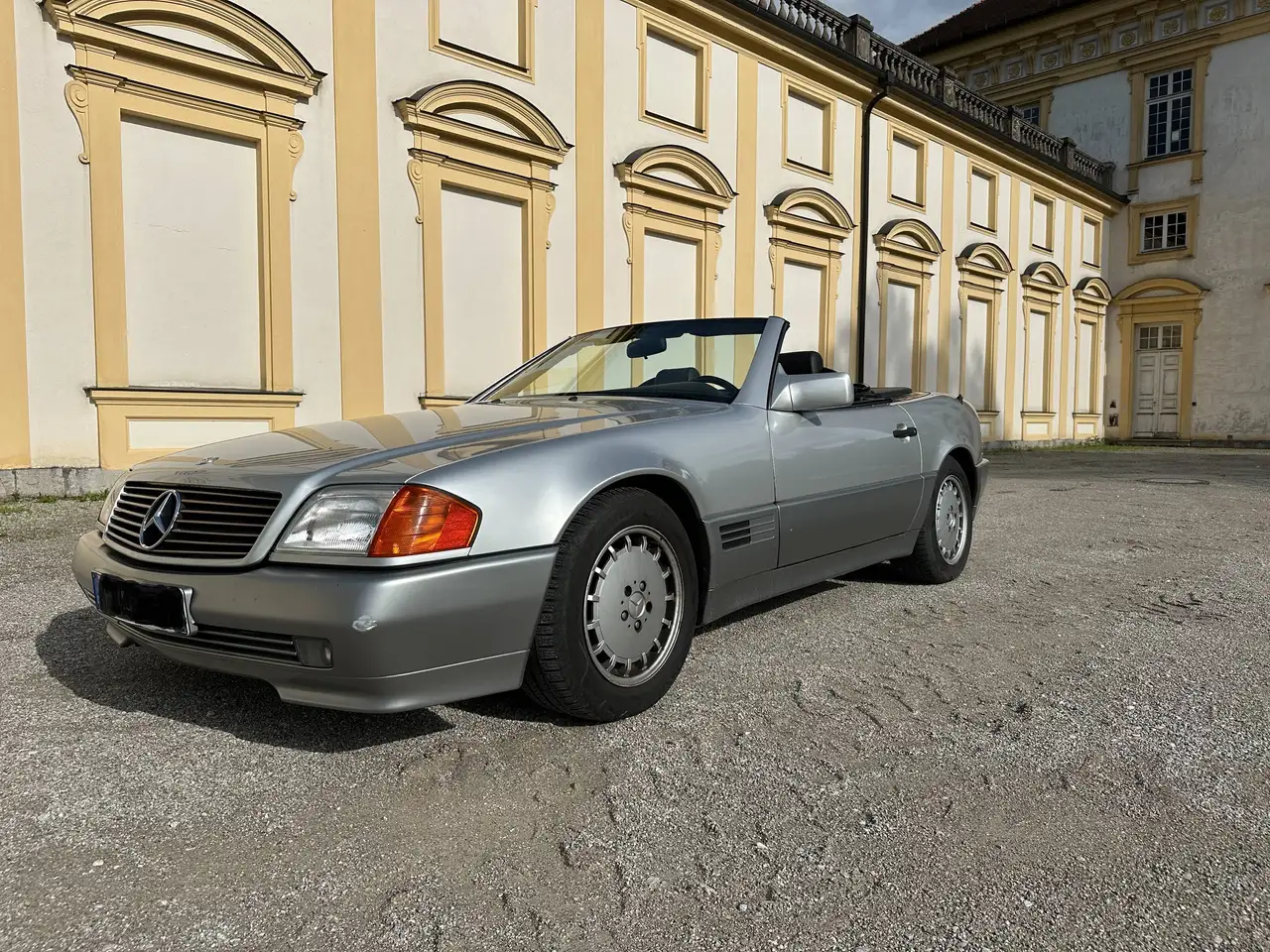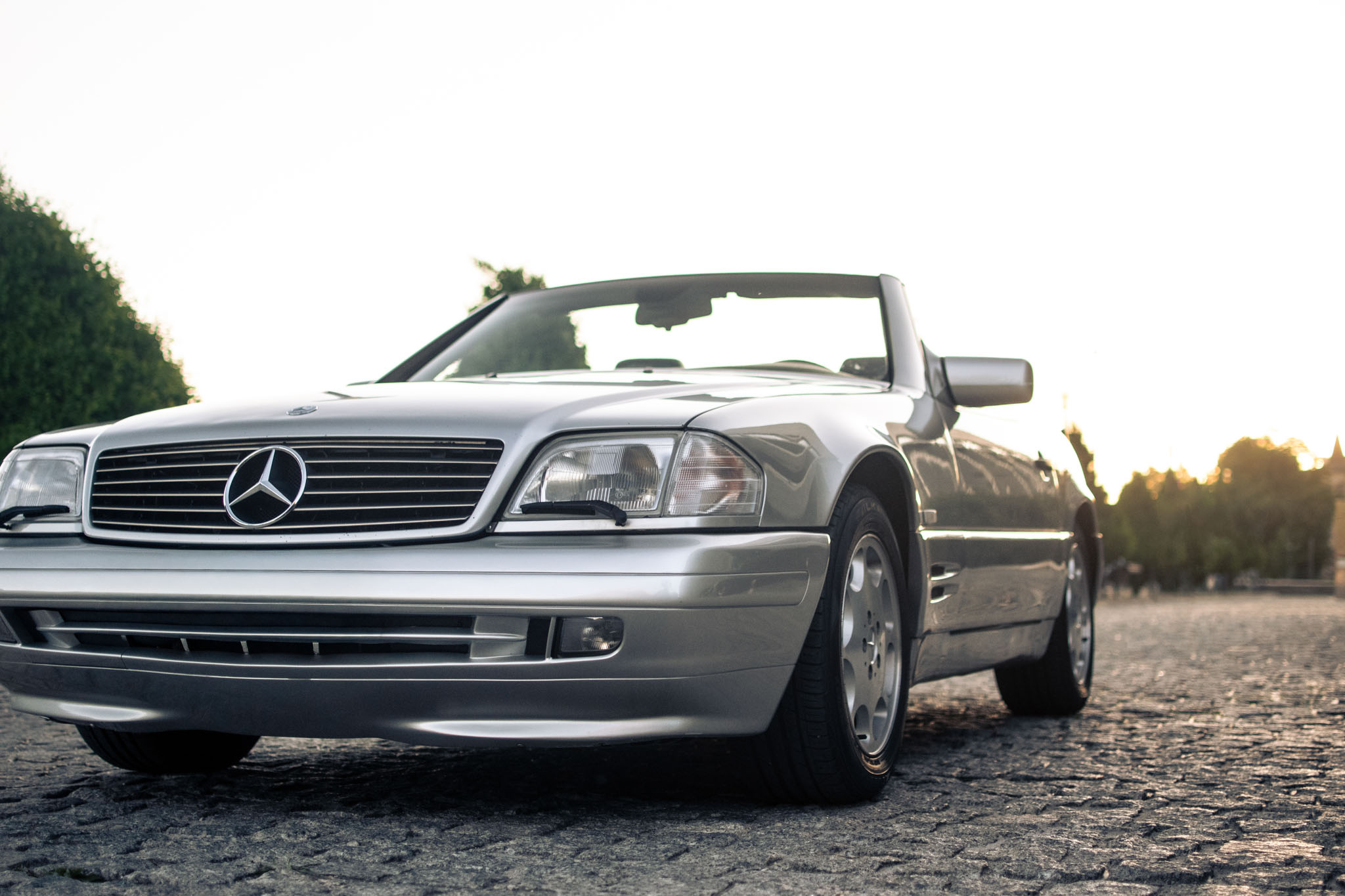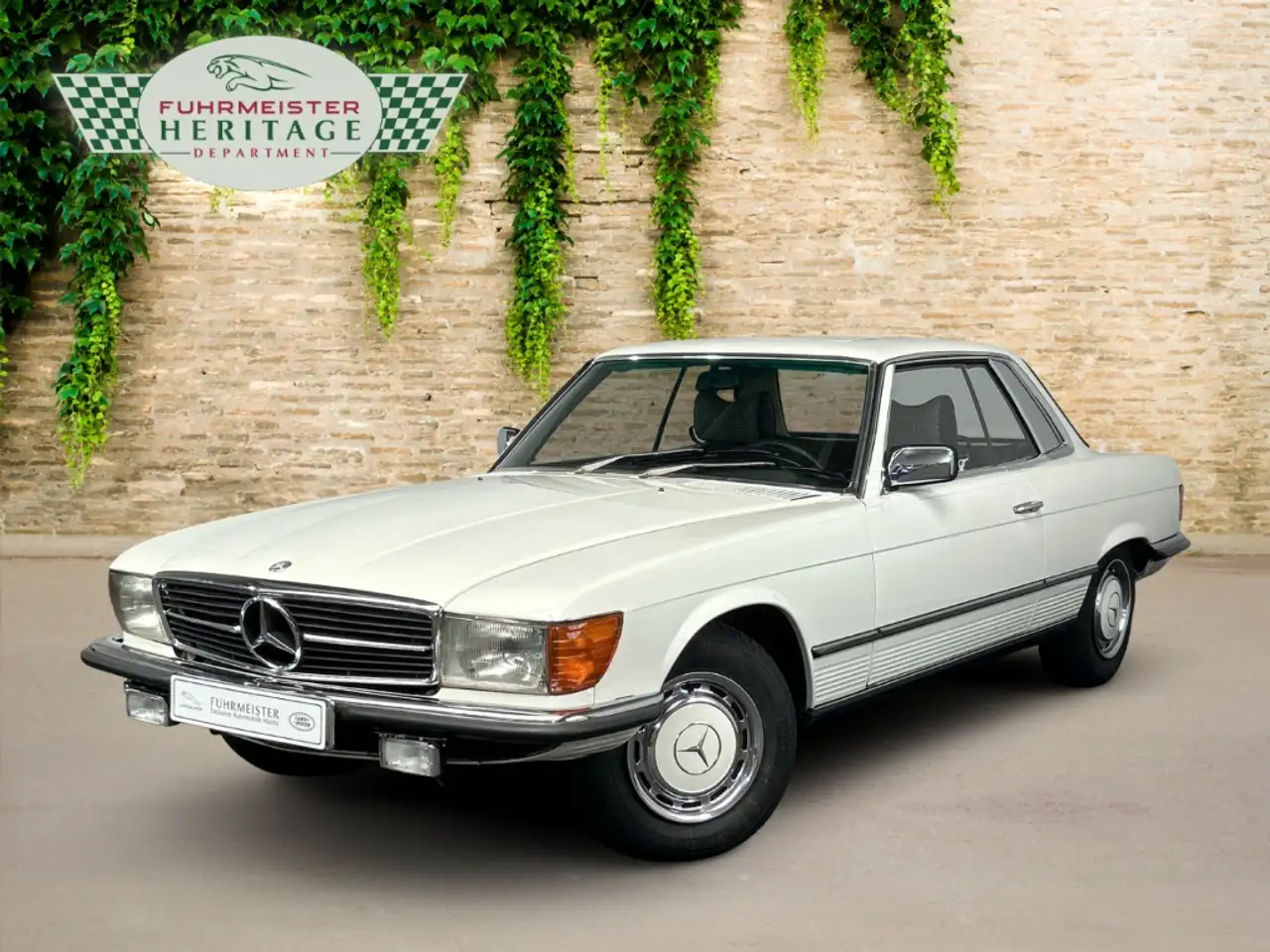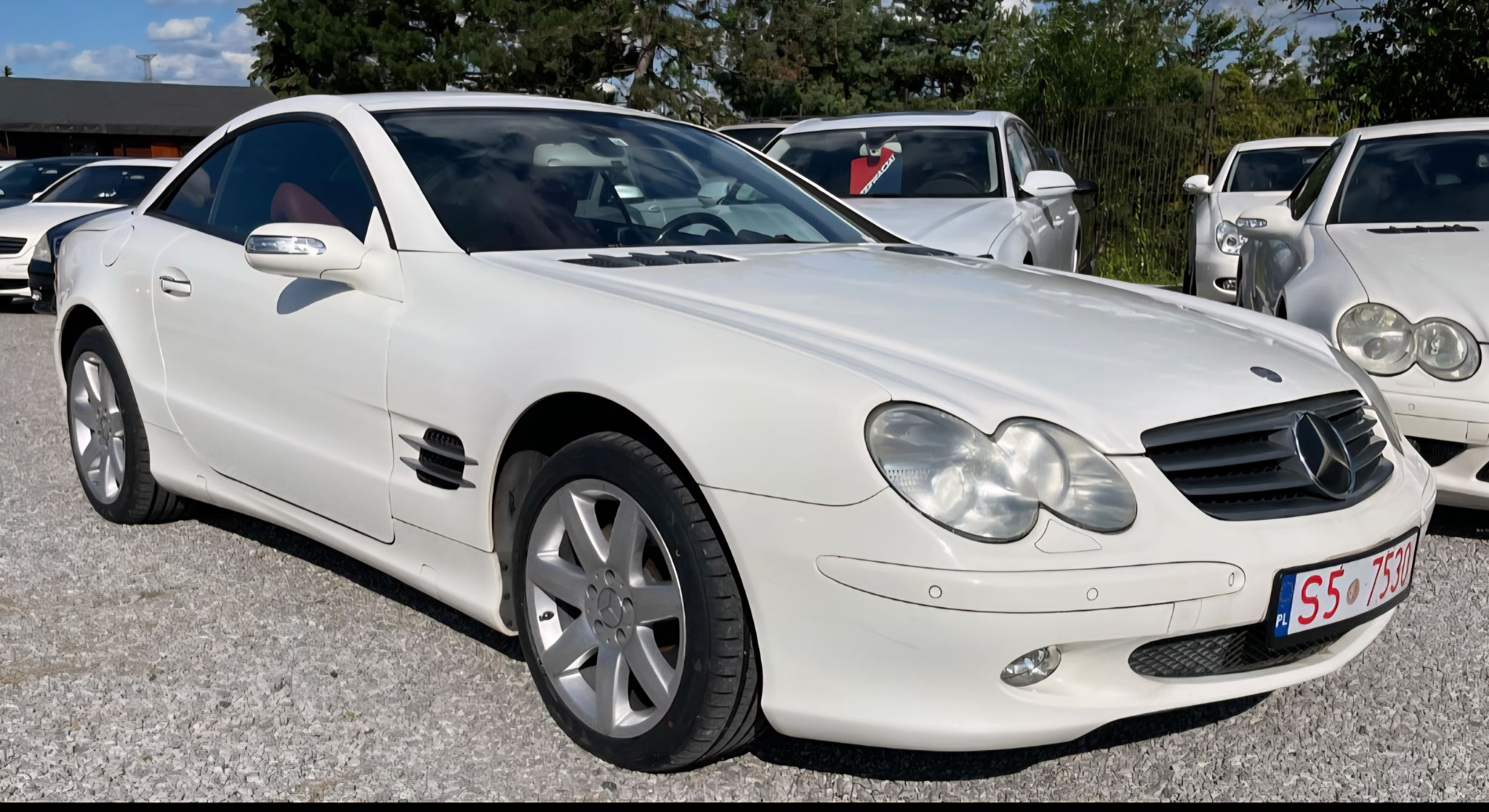
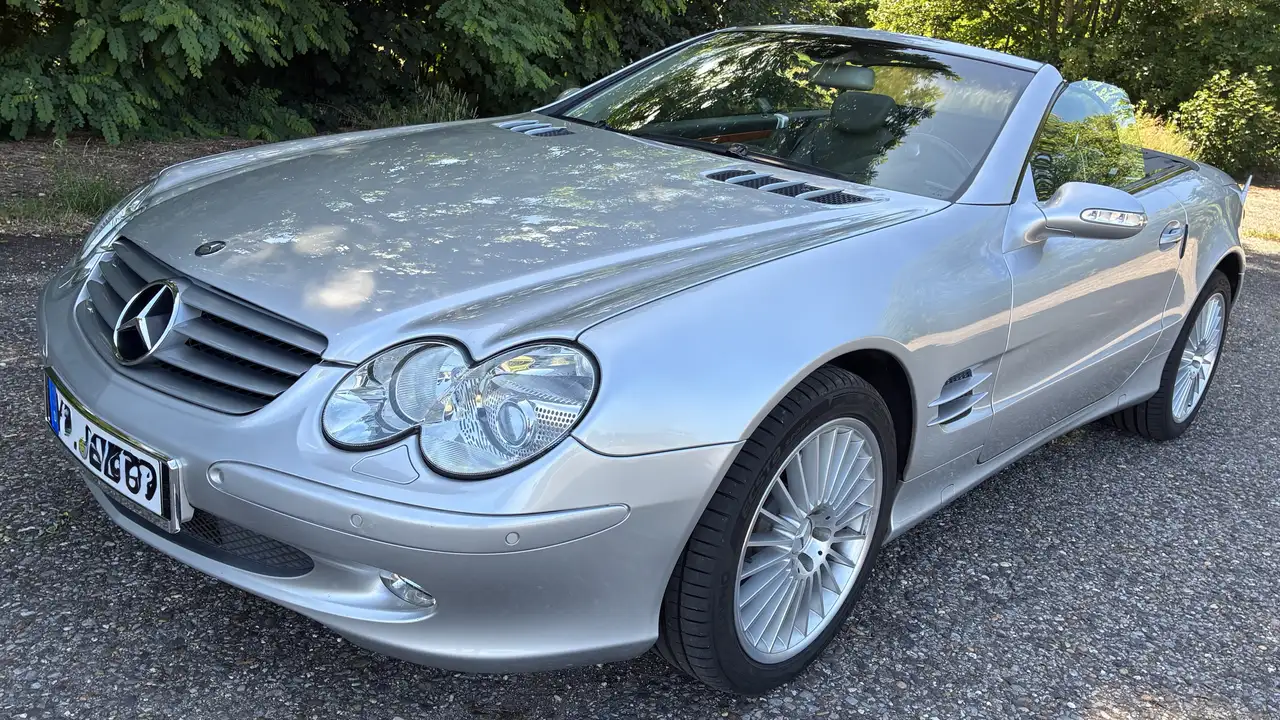
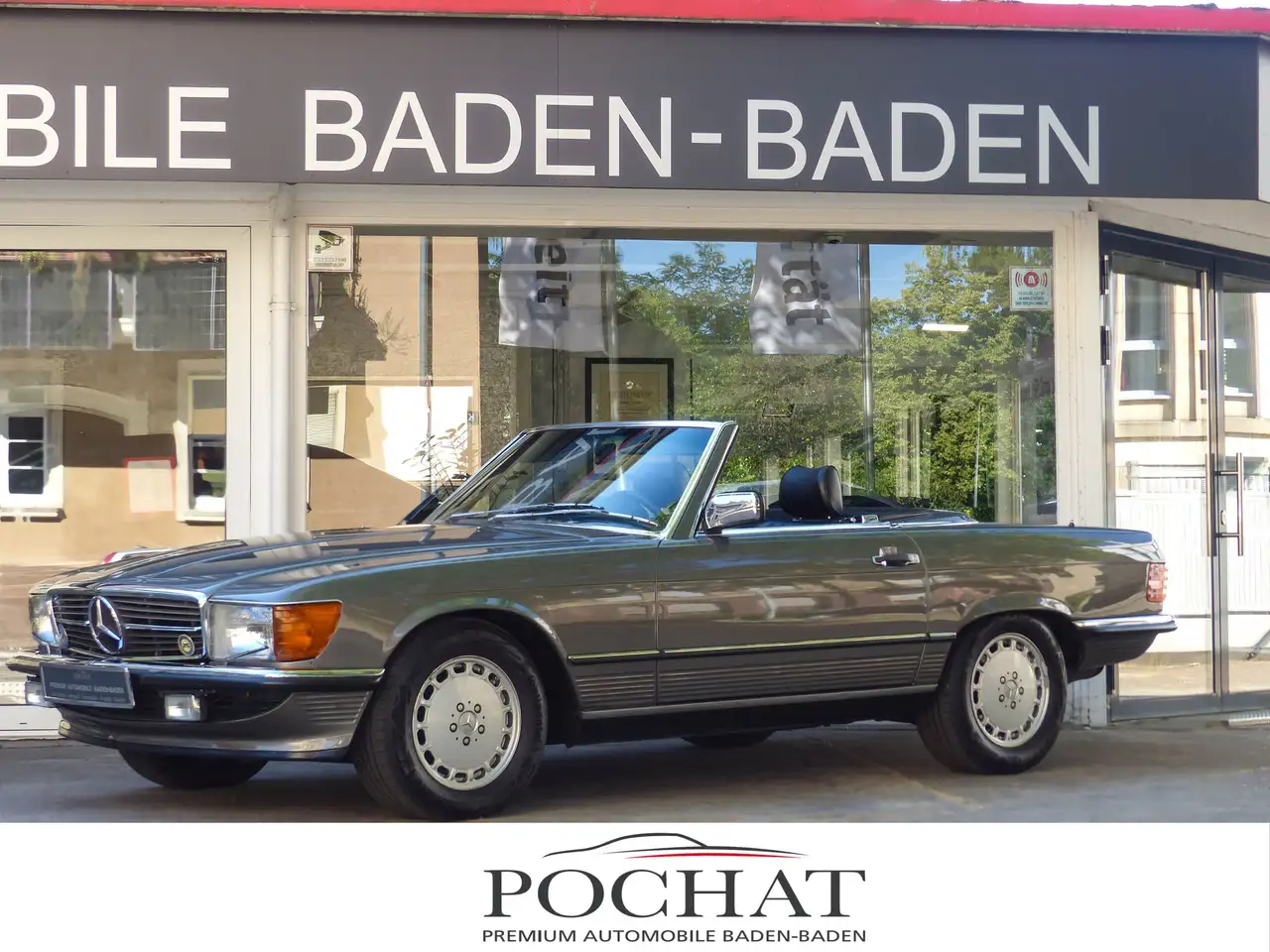
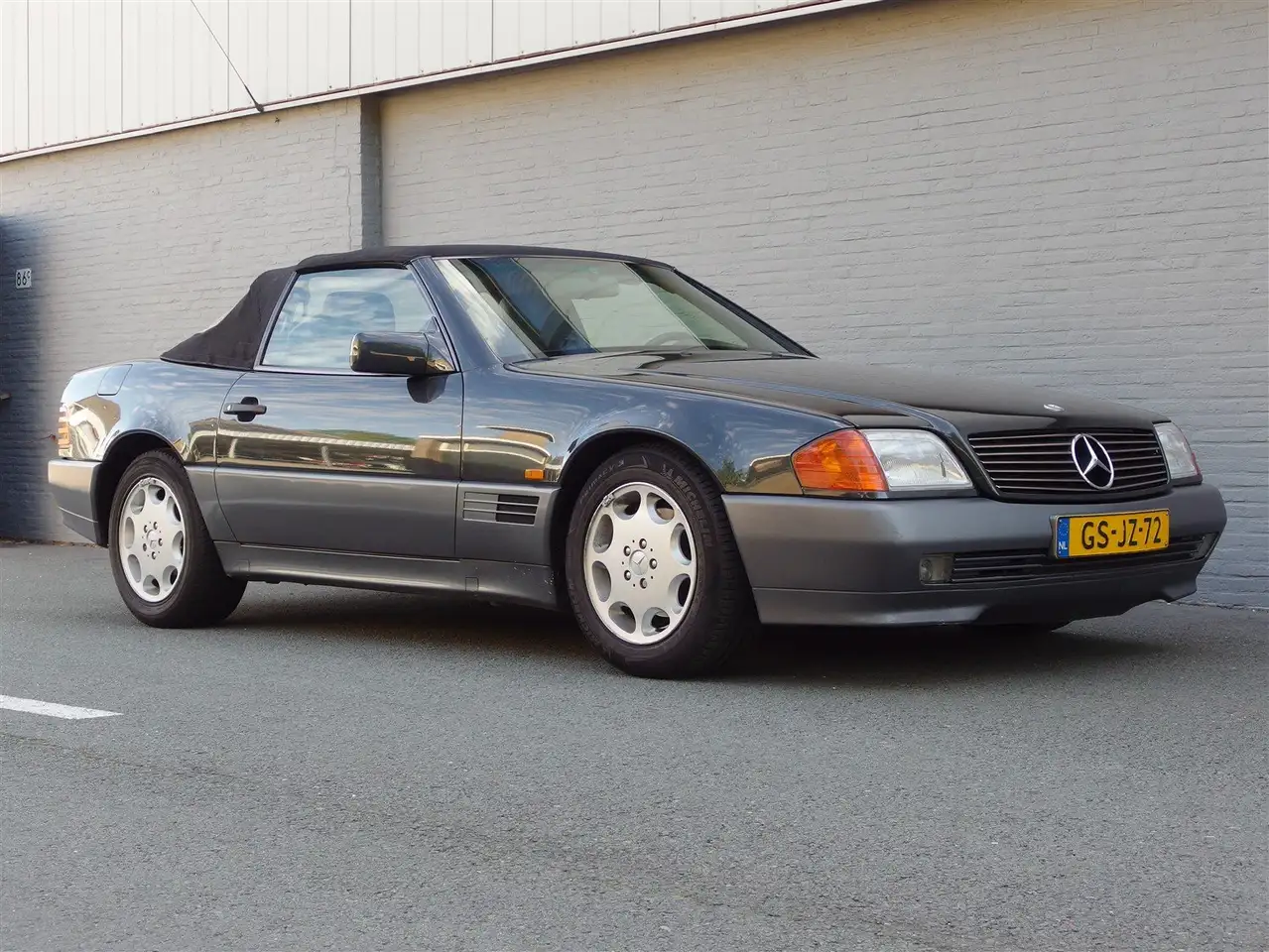
Search for Mercedes-Benz SL classics for sale. We list cars from 14 countries and 30+ marketplaces - one search for the whole continent.
Narrow by year, country, or price to find the right Mercedes-Benz SL for your collection.
Eighteen Years of Perfection - The Longest-Lived SL
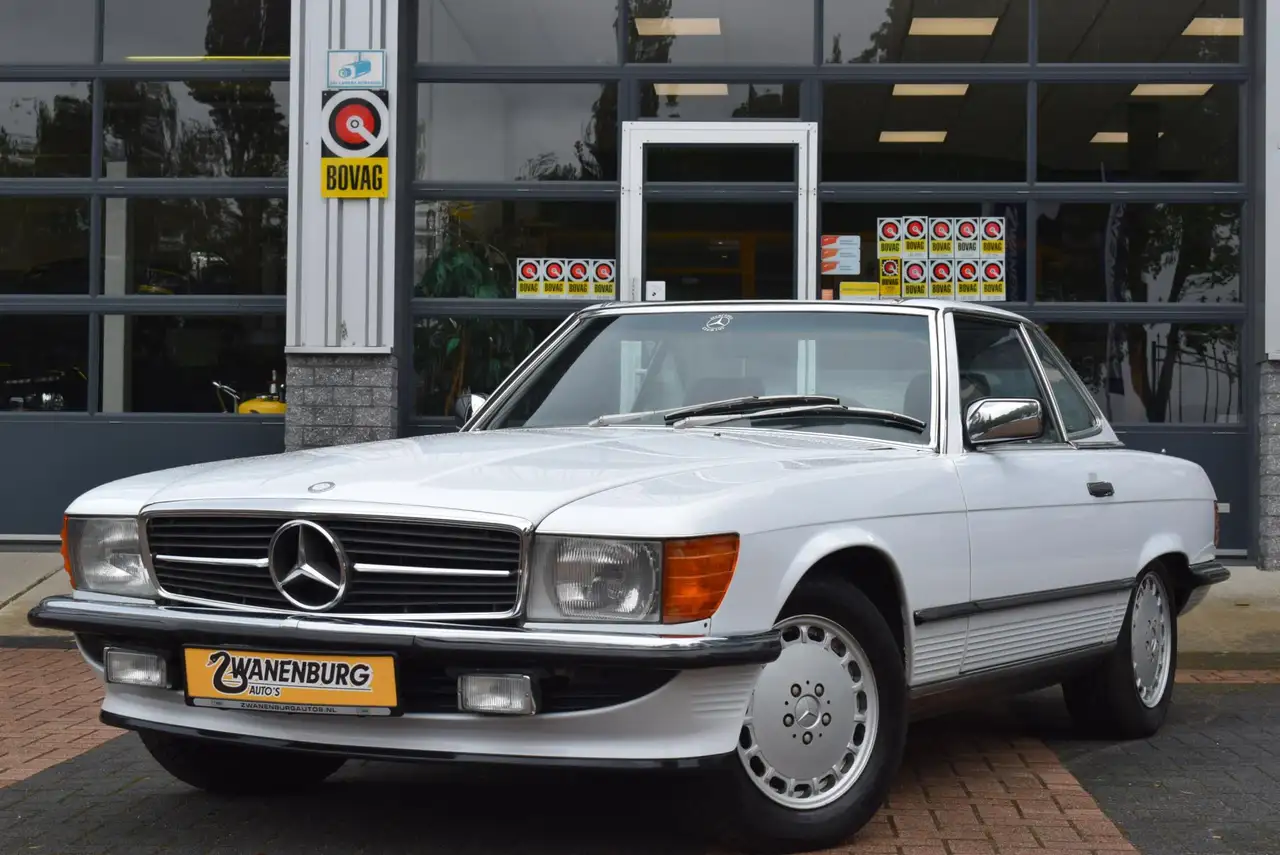
The Mercedes-Benz R107 SL holds a distinction that no other Mercedes road car can claim: an 18-year production run, from 1971 to 1989, making it the longest-running model in the company's history. That longevity was not complacency. Mercedes engineers refined the R107 continuously - updating engines, safety equipment, interior trim, and emissions compliance - while the fundamental character of the car remained exactly right. The R107 was a grand tourer in the truest sense: comfortable enough for a continent, composed enough for the autobahn, and elegant enough for the Cรดte d'Azur.
The R107 succeeded the W113 "Pagoda" - itself now a six-figure collector car - and established a template for the SL that persists to this day: a two-seat roadster with a removable hardtop, a choice of inline-six or V8 engines, and the full weight of Mercedes-Benz engineering behind every component. Approximately 237,287 were produced, making the R107 one of the most successful sports cars Mercedes has ever built.
Choosing your R107
The engine choice defines the character. The 280SL (1974โ1985, inline-six, 185 PS) is the lightest and most European in feel - nimble, refined, and the choice of purists. The 350SL (1971โ1980, 3.5 V8, 200 PS) and 450SL (1973โ1980, 4.5 V8, 225 PS) introduced V8 smoothness and effortless cruising. The 500SL (1980โ1989, 5.0 V8, 240 PS) is widely regarded as the sweet spot: the most refined engine in the range, paired with the improved interior of the later production years. The 560SL (1986โ1989, 5.6 V8, 300 PS) is the ultimate specification - but was sold almost exclusively in the US and Australian markets, meaning European examples are typically reimports with lower-compression engines and emission controls that slightly reduce the appeal.
A critical distinction for European buyers: Euro-spec cars run higher compression ratios, produce more power, and lack the
Frequently Asked Questions
A 280SL or 350SL in driver-quality condition starts from โฌ20,000โ30,000. Well-sorted 500SLs - widely considered the sweet spot - range from โฌ30,000โ55,000. Late-model 560SLs vary widely depending on specification (Euro vs. US). Exceptional, low-mileage examples of any variant can exceed โฌ70,000.
The Euro-spec 500SL (1980โ1989) is widely regarded as the sweet spot: the most refined V8 engine, the improved interior of the later production years, and strong parts support. The 280SL appeals to purists who prefer the lighter, inline-six character. Avoid US-spec reimports unless the price reflects the lower specification.
Running costs are moderate for a Mercedes-Benz of this era. The V8 engines are robust, and specialist knowledge is widespread. The primary cost concern is rust repair - subframe mounting points and boot floors can be expensive to rectify. Regular servicing costs are comparable to a modern Mercedes.
The R107 has appreciated steadily over the past decade, particularly the 500SL and 280SL variants. Euro-spec cars with documented history, matching hardtop, and low corrosion are the strongest performers. The R107 benefits from the 'Pagoda effect' - as the W113 Pagoda has moved beyond six figures, buyers are discovering the R107 as its natural successor.