La stessa auto può costare un terzo in meno da un lato di un confine rispetto all'altro. Ecco cosa dicono davvero i numeri su dove le auto d'epoca siano più economiche e più care in Europa nel 2026 - e quanto quel risparmio costa davvero una volta che includi il portare l'auto a casa.
C'è un vantaggio silenzioso nel cercare un'auto d'epoca in tutto un continente anziché in un solo paese, ed è questo: il mercato non è un mercato. Sono decine di mercati nazionali, ciascuno con la propria offerta, i propri gusti e il proprio livello di prezzo, separati da confini che un'auto può attraversare ma l'attenzione di un acquirente di solito no. Un collezionista che guarda solo al proprio paese vede una frazione di ciò che è disponibile, spesso al prezzo sbagliato.
Poiché Carseto aggrega annunci di oltre quaranta paesi, può vedere qualcosa che nessun sito di un solo paese può: la stessa auto, pubblicizzata in sette posti diversi, a sette prezzi diversi. Questa guida ci mette numeri reali. Tutte le cifre qui sotto sono prezzi richiesti mediani tratti da annunci attivi a luglio 2026 - prezzi richiesti, non prezzi di vendita, e da leggere come guida ai livelli relativi tra paesi più che come vangelo su una singola auto. Ma lo schema che rivelano è coerente, e vale la pena capirlo prima di comprare.
La premessa: stessa auto, confine diverso
Vedi lo stesso modello prezzato in oltre 40 paesi.
Controlla qualsiasi prezzo richiesto contro il mercato sul Carseto Index prima di viaggiare.
Parti dall'intero mercato. Prendi ogni classica pubblicata tra 1.000 € e 500.000 € e trova il prezzo richiesto mediano in ciascun paese. La forbice è sorprendente.
All'estremità accessibile siede la Polonia, con un prezzo richiesto mediano di circa 12.857 € (luglio 2026) su oltre diecimila annunci - comodamente il più basso dei grandi mercati. Poi vengono l'Italia (intorno a 20.000 €) e la Spagna (intorno a 19.990 €), l'estremità di valore dell'Europa occidentale. Nel mezzo, la Germania intorno a 23.000 € e l'Austria intorno a 22.500 €. E all'estremità premium, un gruppo intorno a 24.900-25.000 €: Francia, Paesi Bassi e Belgio. Il Regno Unito si colloca più in basso dei suoi vicini intorno a 20.800 €, una cifra segnata dalla Brexit su cui torneremo.
Ora, subito un avvertimento onesto. La mediana di un paese riflette il mix di auto in vendita lì tanto quanto il prezzo di una singola auto. La bassa mediana della Polonia riflette in parte un mercato ricco di classiche accessibili del mercato locale; l'alta del Belgio riflette un mercato orientato verso auto costose. La mediana di mercato ti dice quanto costa l'auto media in ogni luogo, non se la tua auto è più economica lì.
Quindi la vera prova è: prendi un'auto specifica e universale e prezzala paese per paese. Lo schema regge? Regge - in modo sorprendente.
La prova: un'auto, prezzata su tutta la mappa
Considera la Porsche 911, la classica più scambiata attraverso i confini in assoluto. Il suo prezzo richiesto mediano a luglio 2026 va da circa 45.768 € in Polonia all'estremità bassa a circa 72.900 € in Francia e 76.996 € in Belgio all'estremità alta - con l'Italia (68.000 €, e di gran lunga il mercato più profondo con oltre 700 pubblicate), la Spagna e l'Austria raggruppate in mezzo, e il Regno Unito intorno a 67.243 €. È una differenza di circa 30.000 € sullo stesso modello a seconda di dietro quale confine compri.
La Mercedes SL racconta la storia identica a un livello di prezzo più basso. Il suo prezzo richiesto mediano varia da circa 18.322 € in Polonia e 19.990 € in Spagna, salendo attraverso l'Italia e il profondo mercato tedesco (entrambi intorno a 23.000-25.000 €), fino a 27.500 € in Francia e 28.999 € in Austria. Di nuovo, i mercati di valore e i mercati premium cadono esattamente nello stesso ordine.
Due auto diverse, due fasce di prezzo diverse, uno schema coerente. Polonia, Spagna e Italia sono dove le classiche sono più economiche da comprare. Francia, Belgio e Austria sono dove sono più care. La Germania si colloca nel mezzo - e, come vedremo, si guadagna il suo prezzo. Quella coerenza è ciò che trasforma una curiosità di mercato in una vera strategia.
Germania: il mercato più profondo, e degno del suo prezzo
La Germania è il cuore pulsante del mercato europeo delle classiche. Con quasi ventiquattromila classiche pubblicate e un prezzo richiesto mediano intorno a 23.000 € (luglio 2026), offre sia profondità sia, cosa cruciale, qualità. Per moltissimi modelli - la Mercedes SL di cui sopra è l'esempio ovvio, con oltre tremila pubblicate nella sola Germania - è semplicemente dove c'è la scelta.
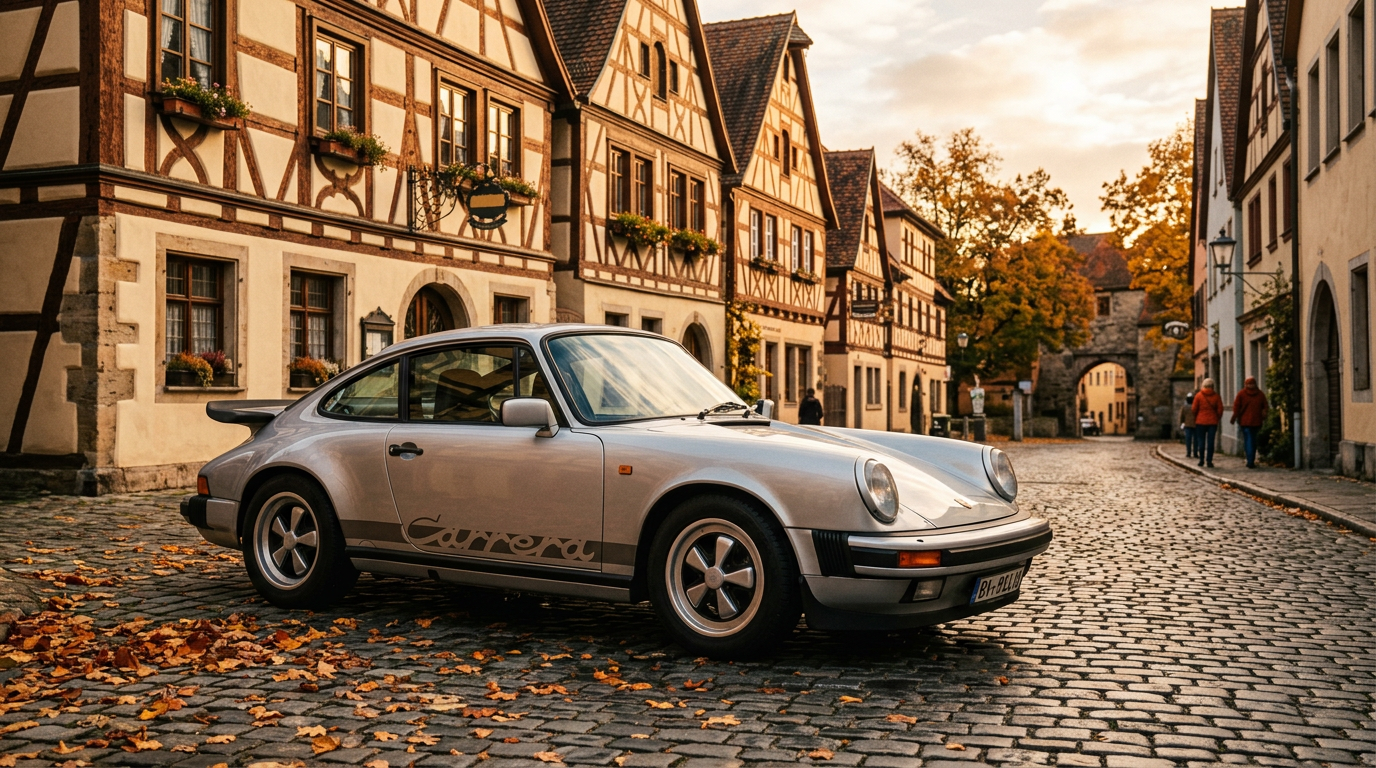
Ciò per cui paghi un piccolo sovrapprezzo in Germania non è la lamiera ma i documenti e la cultura attorno ad essi. La proprietà tedesca di classiche è definita dall'H-Kennzeichen, l'immatricolazione storica che richiede che un'auto sia in gran parte originale e in buono stato, e da un'abitudine nazionale alla documentazione e manutenzione scrupolose. Compra un'auto tedesca ed è più probabile che tu riceva una spessa cartella di storia di servizio, un'auto tenuta come si deve e un venditore che capiva cosa aveva. Per l'acquirente che valuta un'auto documentata e onesta più del prezzo più basso possibile, sono soldi ben spesi.
Se la Germania è il tuo punto di partenza, la guida all'acquisto di una classica in Germania copre l'H-Kennzeichen, l'ispezione TÜV e il processo di esportazione in dettaglio. Puoi vedere lo stock tedesco attuale nella pagina Germania.
Italia: prezzi da mercato della passione e il romanticismo del ritrovamento in fienile
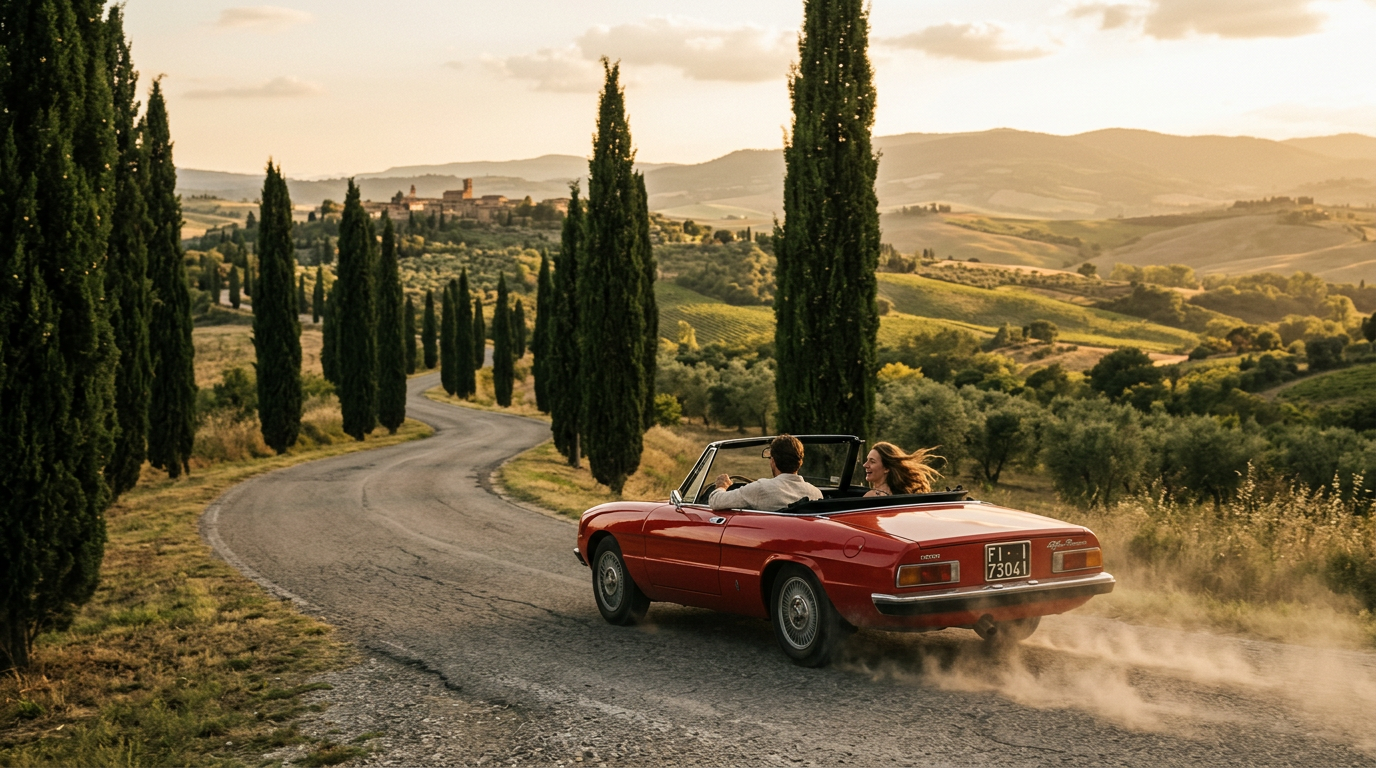
L'Italia è il secondo mercato più profondo - oltre ventiquattromila annunci - e uno dei migliori per valore dell'Europa occidentale, con una mediana intorno a 20.000 € (luglio 2026). È la casa naturale di Alfa Romeo, Lancia, Fiat e, naturalmente, Ferrari e Maserati, e c'è un romanticismo nel comprare in Italia che i numeri catturano solo in parte: il ritrovamento in fienile qui accade ancora davvero.
Il compromesso è la burocrazia e, a volte, lo stato. Le auto italiane possono portare più ruggine di quanto suggeriscano le loro foto pubblicizzate, e i documenti di immatricolazione ed esportazione italiani hanno la reputazione di mettere alla prova la pazienza. Il valore è reale, ma premia un acquirente attento e, idealmente, un'ispezione fisica. La guida all'importazione di una classica dall'Italia accompagna attraverso la targa, i documenti e le insidie, e la pagina Italia mostra cosa è attualmente pubblicato.
Polonia ed Europa centrale: il punto di ingresso di valore
La Polonia spicca sul prezzo. Un prezzo richiesto mediano di circa 12.857 € (luglio 2026) - all'incirca la metà del livello francese o belga - la rende il mercato grande più accessibile d'Europa, e i confronti sullo stesso modello confermano che non è solo un effetto del mix: una Porsche 911 o una Mercedes SL chiede genuinamente meno in Polonia che quasi ovunque altrove.
Parte del motivo è un profondo mercato locale di classiche centroeuropee accessibili; parte è semplicemente un livello generale di prezzi più basso. Per un acquirente dell'Europa occidentale, una classica tedesca o italiana immatricolata in Polonia può rappresentare un valore reale - ma con due cose da soppesare. Primo, verifica stato e storia con cura, come faresti ovunque. Secondo, considera il costo e il tempo di trasportare l'auto indietro e reimmatricolarla, a cui arriviamo sotto. Per molti acquirenti il risparmio sopravvive comodamente a quei costi; per alcuni no. La pagina Polonia è il posto da cui partire, e la Polonia è anche dove le incontrastate classiche centroeuropee - le auto del mercato locale che i siti occidentali coprono a malapena - vivono davvero.
Paesi Bassi, Belgio, Francia e Spagna
Il resto dell'Europa occidentale si ordina in una coppia di valore e una coppia premium.
La Spagna (mediana intorno a 19.990 €) è silenziosamente uno dei mercati occidentali di migliore valore, e ha un vantaggio specifico per certe auto: un clima secco significa meno ruggine strutturale, il che conta enormemente per qualsiasi cosa con telaio in acciaio. Un Land Rover spagnolo o un'Alfa spagnola possono benissimo essere più sani sotto di un equivalente nordeuropeo. La pagina Spagna vale la pena tenerla d'occhio.
I Paesi Bassi (intorno a 24.950 €) sono un mercato premium ma di alta qualità con una forte cultura di appassionati, auto ben tenute e - essendo piccolo e centrale - un posto facile da cui ritirare un'auto. Lo stock olandese tende verso esemplari ben documentati.
Francia (intorno a 24.900 €) e Belgio (intorno a 24.950 €) sono l'estremità premium del mainstream. La Francia è la casa naturale delle classiche Citroën, Renault e Peugeot e un mercato profondo di per sé; paghi per quella profondità. Il Belgio, piccolo ma ricco, registra costantemente alcuni dei prezzi richiesti più alti d'Europa. Nessuno dei due è dove vai per un affare - ma la Francia in particolare è dove vai per un'auto francese. Vedi la pagina Francia.
Il Regno Unito: ancora profondo, ora con un confine
Il Regno Unito è un caso speciale. Rimane uno dei mercati di classiche più profondi e sofisticati d'Europa, con un prezzo richiesto mediano intorno a 20.800 € (luglio 2026) che sembra valore - e, per l'auto giusta, lo è. Le auto del mercato britannico, specialmente i marchi britannici, sono abbondanti e spesso magnificamente sistemate.
La complicazione è la Brexit. Dal 2021, spostare un'auto dal Regno Unito nell'UE non è più un acquisto interno al mercato senza attriti; è un'importazione, con formalità doganali e immatricolazione nel paese di destinazione da gestire. Quell'attrito aggiunto è parte del perché i prezzi richiesti britannici siano più bassi dei mercati premium continentali - il bacino di acquirenti continentali si è ristretto. Per un acquirente dell'UE disposto a gestire i documenti, questo può tradursi in valore genuino, in particolare su classiche britanniche che sono semplicemente più numerose in patria. Una guida dedicata all'importazione dal Regno Unito all'UE è in arrivo; nel frattempo la pagina Regno Unito mostra lo stock britannico attuale.
Come farlo davvero: il vero costo a destinazione
Cerca le classiche in ogni mercato europeo in una volta.
Germania, Italia, Polonia, Francia e altro - tutto il continente in una ricerca.
Un prezzo di listino più basso è un risparmio solo se sopravvive al viaggio verso casa. Prima di comprare attraverso un confine, fai la somma completa.
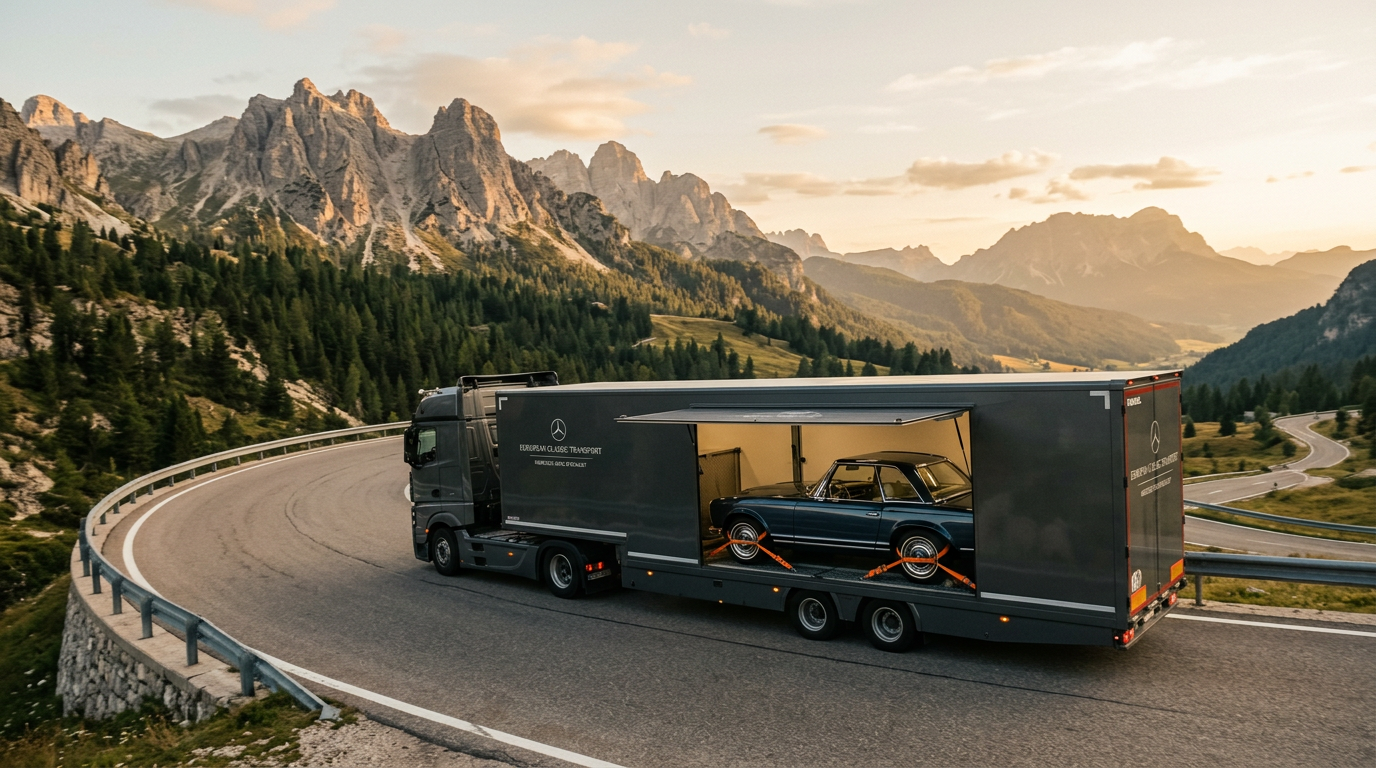
Trasporto. Spostare un'auto attraverso l'Europa costa soldi veri - di più per un trasportatore chiuso, meno per la consegna aperta o guidata, e scala con la distanza. Un'auto che è 5.000 € più economica due paesi più in là può restituire la maggior parte di questo nel trasporto. Mettilo a budget dall'inizio; la guida al trasporto di una classica attraverso l'Europa copre le opzioni e i costi realistici.
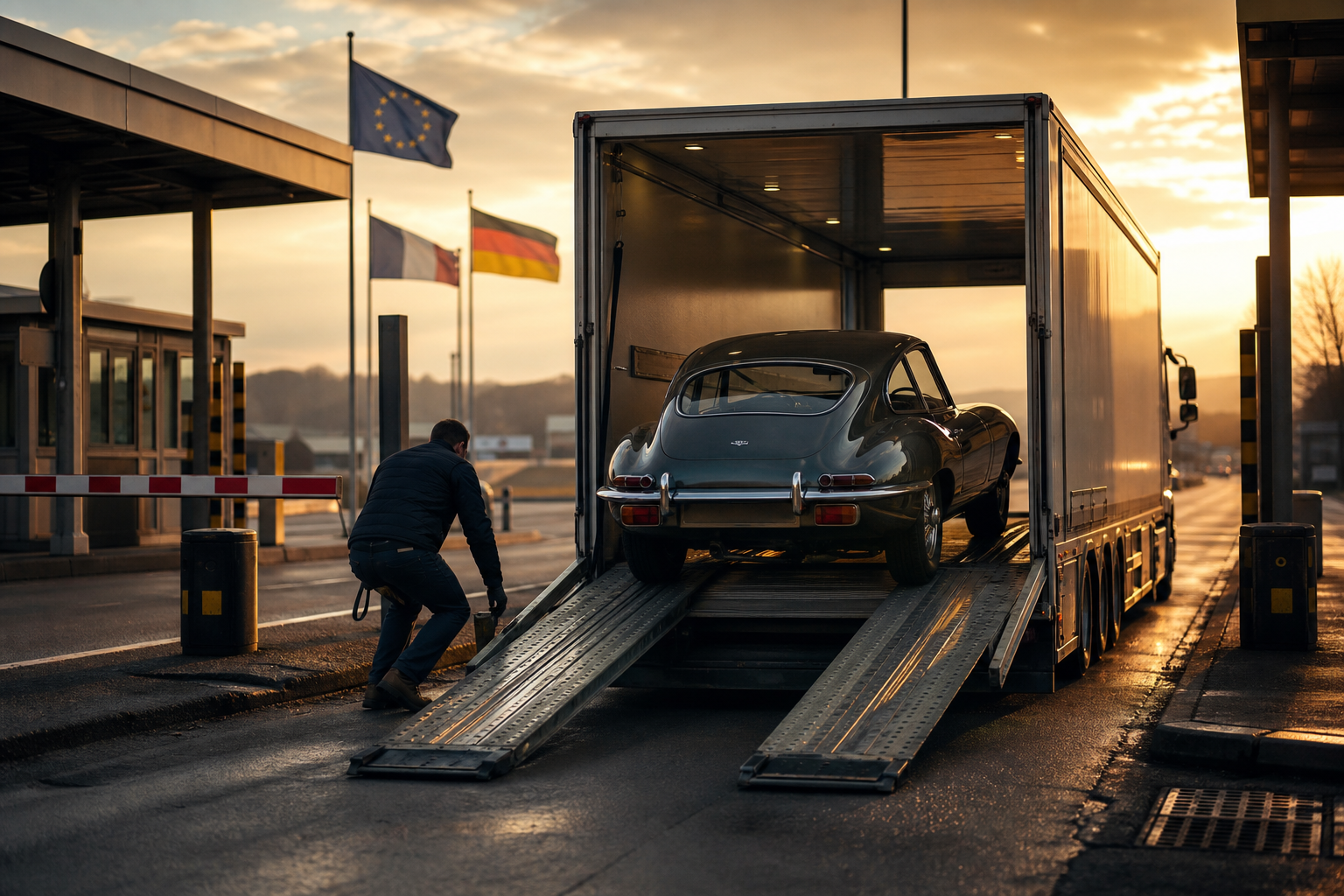
Immatricolazione e importazione. All'interno dell'UE, spostare un'auto tra stati membri è semplice ma non gratis - c'è l'immatricolazione nel tuo paese, possibilmente una prova di idoneità alla circolazione e documenti. Da fuori dall'UE, incluso il Regno Unito post-Brexit, aggiungi dogana e potenzialmente IVA, sebbene molti paesi offrano agevolazioni per veicoli genuinamente storici. Queste regole sono specifiche della destinazione e cambiano, quindi controlla i requisiti attuali del tuo paese anziché assumere un'unica cifra europea.
Ispezione e tempo. Più lontana è l'auto, più difficile è ispezionarla di persona, e più ti affidi alla documentazione e a un paio di occhi fidati. Considera nell'equazione il costo di un'ispezione indipendente e il valore del tuo tempo.
Fai quella somma onestamente e il quadro di solito regge: i mercati di valore - Polonia, Italia, Spagna - restano più economici anche dopo i costi per molte auto, mentre i mercati premium ti comprano comodità e, spesso, stato. Il punto non è che un paese abbia sempre ragione. È che dovresti decidere con l'intera mappa davanti a te.
L'unico strumento che rende possibile tutto questo
Niente di tutto ciò è possibile se puoi vedere solo un paese alla volta. Il vantaggio è interamente nel confronto - poter guardare una Porsche 911 in Polonia, Italia e Belgio fianco a fianco, e controllare qualsiasi prezzo richiesto contro il mercato prima di viaggiare.
A questo serve il Carseto Index: un riferimento paneuropeo per quanto un dato modello vale davvero, così da distinguere un vero affare transfrontaliero da un'auto che è economica per una ragione. Combina l'Index con le pagine dei paesi, fai la somma del costo a destinazione, e l'intera Europa diventa il tuo showroom anziché solo il tuo codice postale.
Il verdetto
Segui la tua classica in Il Mio Garage.
Documenta la tua collezione, ottieni approfondimenti sul valore e inserisci l'annuncio quando sei pronto a vendere.
Il mercato europeo delle classiche premia l'acquirente che pensa attraverso i confini. Sui numeri di luglio 2026, la Polonia è la chiara leader di valore, con Italia e Spagna come migliori mercati occidentali per valore; la Germania offre la migliore combinazione di profondità e qualità documentata; e Francia, Belgio e Austria si collocano all'estremità premium. I confronti sulla stessa auto confermano che lo schema è reale, non un trucco del mix.
Ma il prezzo di listino è solo l'inizio della storia. Soppesa trasporto, immatricolazione e la difficoltà di ispezionare un'auto lontana, e il mercato più economico sulla carta non è sempre l'auto più economica nel tuo vialetto. Compra con l'intero continente in vista, controlla ogni prezzo contro l'Index, e il confine smette di essere una barriera e diventa un'opportunità.
Domande frequenti
Quale paese europeo ha le auto d'epoca più economiche? Sui prezzi richiesti mediani a luglio 2026, la Polonia è il mercato grande più accessibile intorno a 12.857 € - all'incirca la metà del livello di Francia o Belgio. Italia e Spagna sono i mercati di migliore valore dell'Europa occidentale. I confronti sullo stesso modello confermano che una Porsche 911 o una Mercedes SL chiede genuinamente meno in Polonia che nella maggior parte degli altri mercati.
Dove in Europa le auto d'epoca sono più care? Francia, Belgio e Austria si collocano all'estremità premium, con prezzi richiesti mediani intorno a 25.000-29.000 € a seconda del modello. Il Belgio in particolare registra costantemente alcuni dei prezzi richiesti più alti d'Europa.
Vale la pena comprare una classica in un altro paese per risparmiare? Spesso, ma solo dopo la somma completa. Un prezzo di listino più basso deve sopravvivere a trasporto, costi di immatricolazione o importazione e alla difficoltà di ispezionare un'auto lontana. Per molte auto il risparmio da un mercato di valore come Polonia o Italia sopravvive comodamente a quei costi; per alcune no. Calcola sempre il vero costo a destinazione.
Perché le auto d'epoca sono più economiche in Polonia? Due ragioni: un profondo mercato locale di classiche centroeuropee accessibili e un livello generale di prezzi più basso. Cosa cruciale, i confronti sullo stesso modello mostrano che l'effetto non riguarda solo il mix di auto - la stessa Porsche o Mercedes chiede genuinamente meno in Polonia che altrove.
Perché comprare una classica in Germania se costa di più? La Germania offre la scelta più profonda per molti modelli e una cultura di documentazione e manutenzione scrupolose, ancorata dall'immatricolazione storica H-Kennzeichen. Il piccolo sovrapprezzo compra una migliore probabilità di un'auto ben tenuta e pienamente documentata - valore di un altro tipo.
La Brexit ha cambiato dove comprare un'auto d'epoca? Sì. Comprare dal Regno Unito verso l'UE è ora un'importazione anziché un acquisto interno al mercato, con dogana e immatricolazione da gestire. Quell'attrito ha mantenuto i prezzi richiesti britannici più bassi dei mercati premium continentali, il che può significare valore per un acquirente dell'UE disposto a gestire i documenti - specialmente sui marchi britannici.
Tutti i prezzi sono prezzi richiesti mediani da annunci attivi di Carseto, aggiornati a luglio 2026, e indicano livelli relativi tra paesi più che il valore di una singola auto. I prezzi richiesti si collocano sopra i prezzi di vendita. Controlla il Carseto Index aggiornato per i valori a livello di modello prima di fare un'offerta.
Questo articolo fa parte del Carseto Journal - intelligence di mercato e storie dal mondo delle classiche europee.